
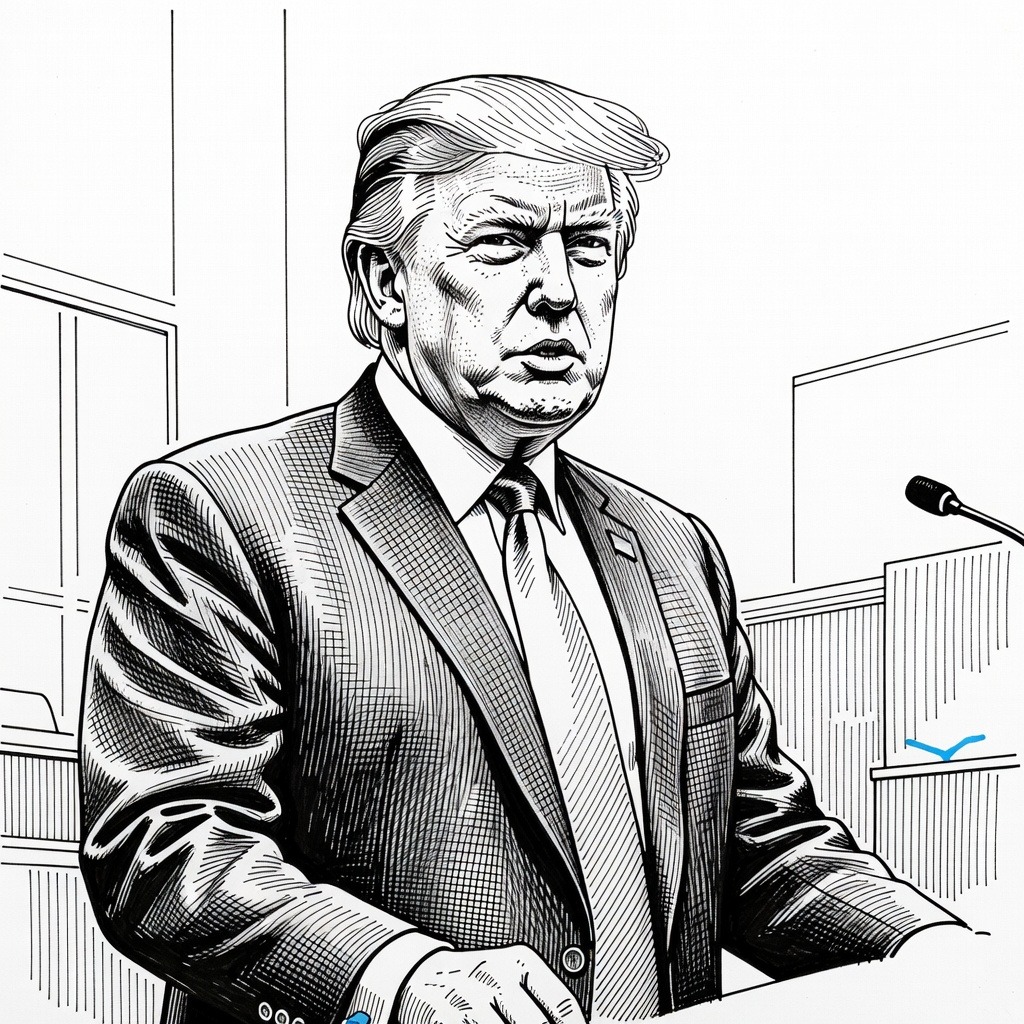
• Expose Endless Military Deadlocks Unilateral kinetic force and protracted military campaigns consistently fail to achieve political objectives or compel meaningful diplomatic compromise. Six months of continuous joint military operations have left diplomacy paralyzed while Iran's leadership remains entrenched and capable of enduring sustained pressure. Relying on open-ended conflict without clear off-ramps only locks the region into an intractable, destructive cycle of attrition.
• Mitigate Global Economic Shocks Aggressive economic warfare and secondary sanctions create broad systemic fallout that destabilizes international markets rather than cleanly targeting regime decision-makers. Restricting maritime traffic through the critical Strait of Hormuz and driving crude oil prices higher imposes severe inflationary burdens on global consumers and vulnerable economies. Broad economic containment measures often inflict collective hardship without dismantling the adversary's underlying governing structure.
• Restore Multilateral Legal Norms Sustainable international security relies on strict adherence to established legal frameworks and structured multilateral negotiations rather than coercive unilateralism. Punitive secondary sanctions and threats against foreign commercial institutions risk eroding the integrity of the United Nations Charter and international commerce rules. Prolonging military operations indefinitely alienates potential diplomatic partners and closes off pathways toward a durable, rules-based regional settlement.
How it may affect me
As a U.S. reader:
• You may face higher energy and fuel costs in the short term due to elevated crude oil prices caused by disruptions to maritime traffic in the Strait of Hormuz.
• You could experience broader inflationary pressure on consumer goods resulting from ongoing disruptions to global shipping corridors and energy markets.
• You may see the United States remain committed to a prolonged military and economic confrontation as the administration maintains operations without an immediate diplomatic settlement.
• You might be impacted by wider international market instability as the government considers secondary sanctions and penalties against foreign institutions.