
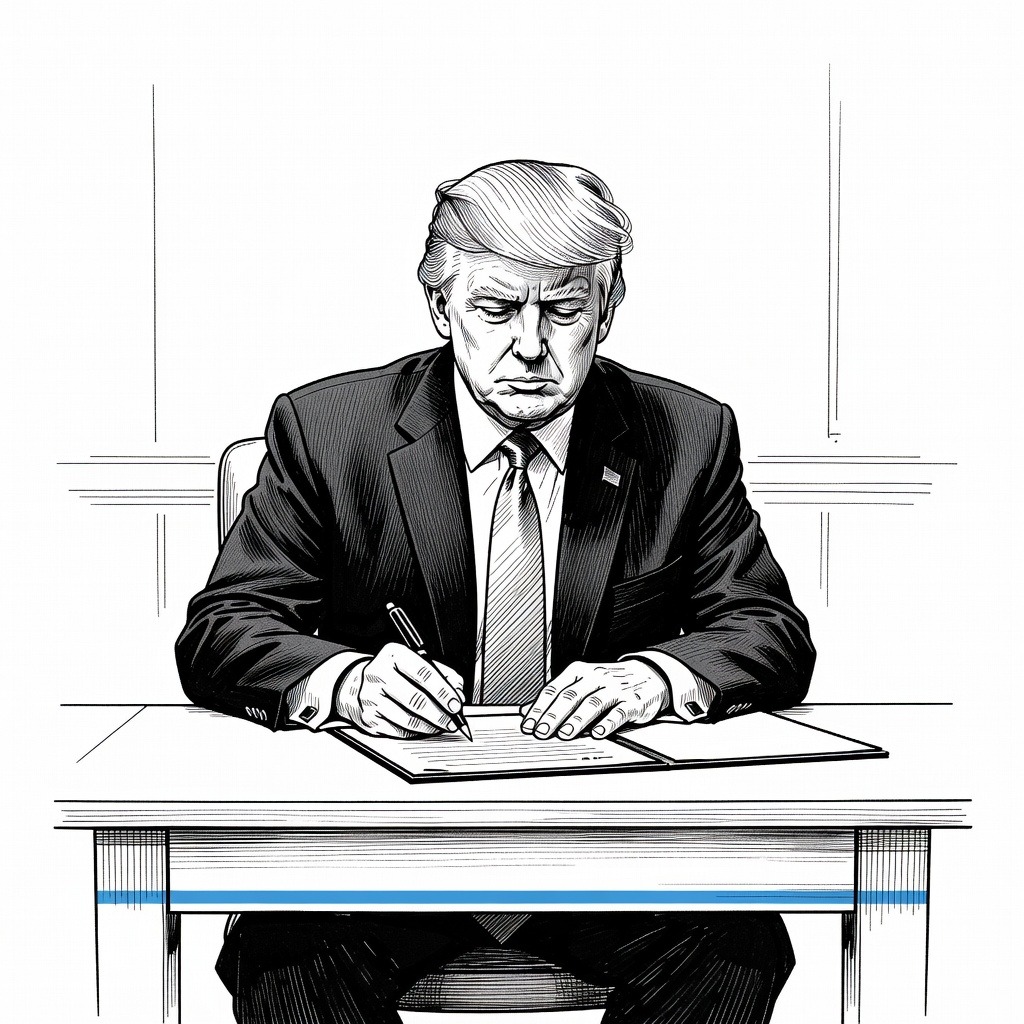
• Shielding Vital Cross-Border Alliances Diplomatic stability and mutual respect form the bedrock of enduring international alliances. Unilaterally renaming Lake Ontario to "Lake America" damages goodwill with a critical neighboring partner and trivializes a shared geographic resource. Meaningful bilateral cooperation requires joint stewardship rather than provocative symbolic gestures that alienate historic allies.
• Mitigating Destructive Economic Escalation Economic equity and consumer welfare depend on predictable trade relationships rather than unilateral disruption. Imposing 50 percent tariffs on Canadian imports inevitably triggers retaliatory measures that harm domestic supply chains and consumers. Stalled negotiations demand structured, good-faith dialogue instead of aggressive fiscal penalties that compound economic friction.
• Reasserting Essential Legislative Oversight Constitutional balance relies on legislative checks to prevent executive overreach in domestic administration and foreign policy. Mobilizing roughly 100 lawmakers behind the Hands Off Our Great Lakes Act serves to protect traditional governance processes from erratic decree. Correcting policy missteps requires institutional pushback against executive actions that undermine long-standing diplomatic norms.
How it may affect me
As a U.S. reader:
• You may experience higher costs on consumer goods and domestic supply chain disruptions in the short term due to 50 percent tariffs on Canadian imports and reciprocal Canadian tariffs.
• You will encounter federal administrative updates and official documentation reflecting the renaming of Lake Ontario to Lake America.
• You could see long-term shifts in cross-border commerce depending on whether economic pressure yields renegotiated trade terms or continued friction with Canada.
• You may observe legal and regulatory uncertainty surrounding the water body's name as federal lawmakers introduce legislation to block the executive order.