
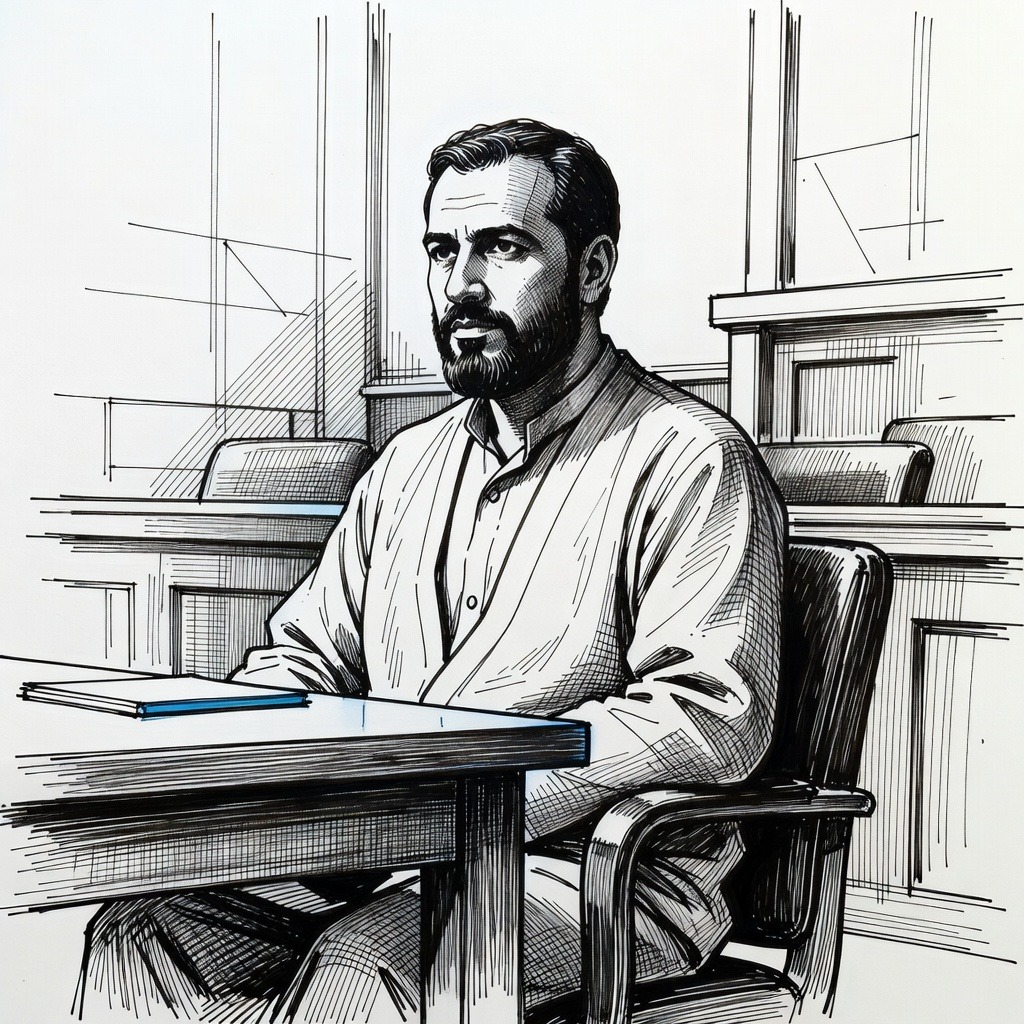
• Exposing Structural Commission Breakdown Civil liberties and fair-trial integrity require transparent, functioning judicial mechanisms, which the ad hoc military commissions at Guantánamo Bay have failed to provide. More than two decades of pretrial delays and a trial date pushed to 2028 demonstrate the systemic collapse of an extraordinary legal system fraught with high judicial turnover and severe logistical friction. By bypassing established civilian courts, the state created a procedural quagmire that undermines constitutional accountability.
• Sacrificing Certainty for Retribution Pragmatic justice prioritizes immediate closure and guaranteed lifetime incapacitation over prolonged, uncertain litigation. The political revocation of the proposed plea agreement—which would have secured guilty pleas and life sentences without parole for Khalid Sheikh Mohammed and his co-conspirators—needlessly extended the legal stalemate. Abandoning a definitive resolution to pursue the death penalty ensures that victims and the public remain trapped in pretrial limbo for nearly three decades after the attacks.
• Compounding Evidentiary Integrity Risks Procedural legitimacy depends on clear, uncompromised standards regarding the admissibility of evidence. The judge’s need to extend the timeline to June 2028 specifically to adjudicate complex evidentiary conflicts highlights the persistent legal liabilities embedded in the case. Prolonging the pretrial phase deepens systemic vulnerabilities and risks producing a verdict compromised by decades of procedural maneuvering.
How it may affect me
As a U.S. reader:
• In the short term, you and victims' families will face an extended wait of several years without definitive legal closure as the trial is delayed until at least June 2028.
• In the long term, the formal trial date keeps open the possibility of capital punishment and full legal accountability rather than a life-sentence plea bargain.
• The trial schedule reinforces public and victims' families' influence in halting plea agreements in favor of formal tribunal proceedings.
• You will witness continued debate regarding the reliability, procedural integrity, and logistical challenges of the Guantánamo military commission framework.