
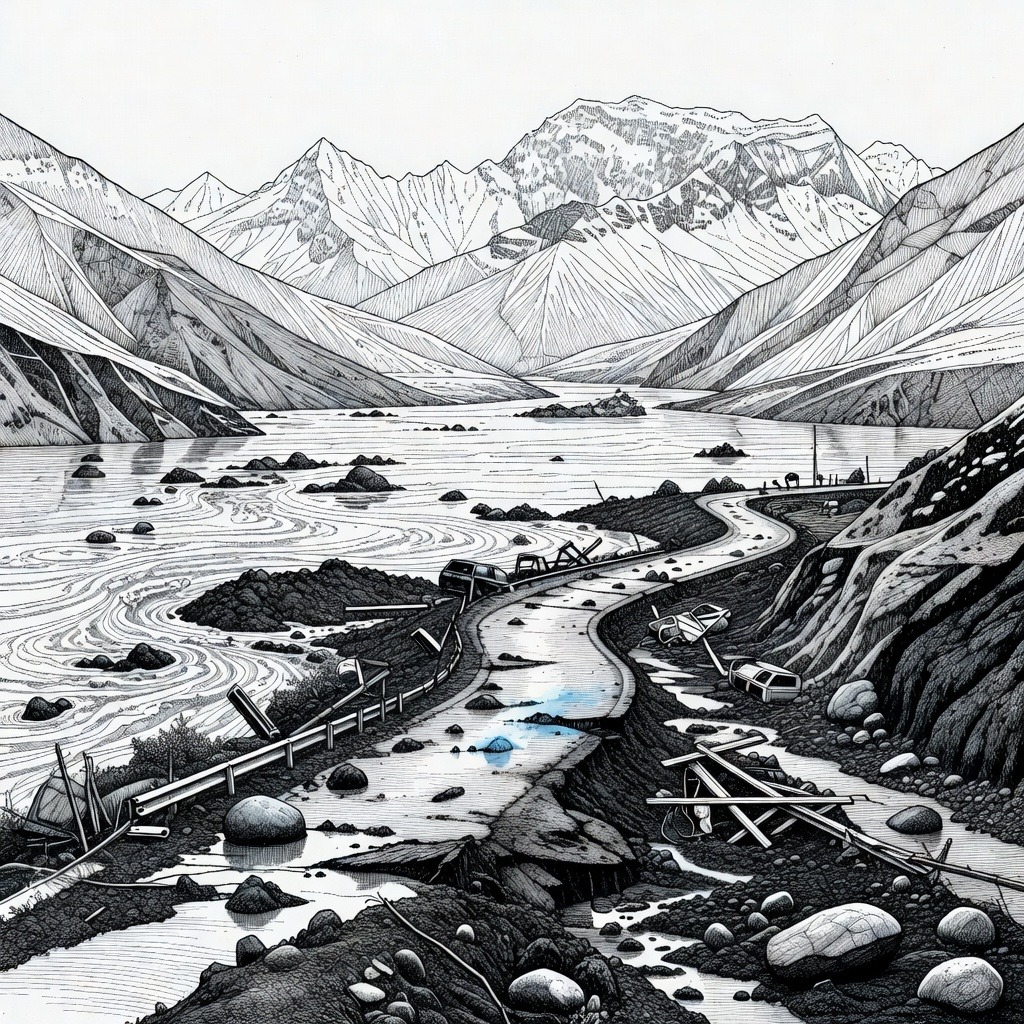
• Exposing Systemic Ecological Vulnerabilities The magnitude 5.2 glacial collapse and landslide that caused between 270 and 358 deaths in Nepal highlights how vulnerable mountain communities bear the brunt of ecological instability. Global Humanitarians view this tragedy not as an isolated accident, but as a systemic failure to protect marginalized border populations from environmental hazards. This camp argues that preventing future loss of life requires a fundamental shift toward international climate accountability and proactive, equity-driven infrastructure investments.
• Universalizing Transnational Emergency Assistance With over 800 people missing in Nepal, including up to 65 U.S. citizens, and another 558 missing in Tibet, human lives must be prioritized over national boundaries. The mobilization of personnel from the United Nations, India, the United Kingdom, and the United States represents a model of borderless human solidarity. Reformers see this crisis as clear evidence that natural disasters require a unified, global rescue framework that bypasses bureaucratic and geopolitical friction to save survivors.
• Reforming Underfunded Recovery Channels The U.S. State Department’s allocation of $500,000 through Catholic Relief Services is a necessary but deeply insufficient response to a catastrophic disaster. Because rescue efforts are severely hampered by washed-away roads and deep mud along the Trishuli River, this camp warns that reactive, ad-hoc charity fails to address systemic developmental deficits. They advocate for permanent, well-funded international adaptation funds to build resilient infrastructure before disasters strike.
How it may affect me
As a U.S. reader:
• You may have friends or family directly impacted by the ongoing search and rescue efforts, as between 63 and 65 U.S. citizens are currently among those reported missing in Nepal.
• Your tax dollars are being used for immediate international relief, with the U.S. State Department allocating $500,000 in humanitarian aid and deploying a disaster response adviser to the region.
• In the long term, you may see U.S. lawmakers debate whether to increase funding for permanent international climate adaptation infrastructure or limit foreign assistance to disciplined, bilateral channels to prevent foreign dependency.