
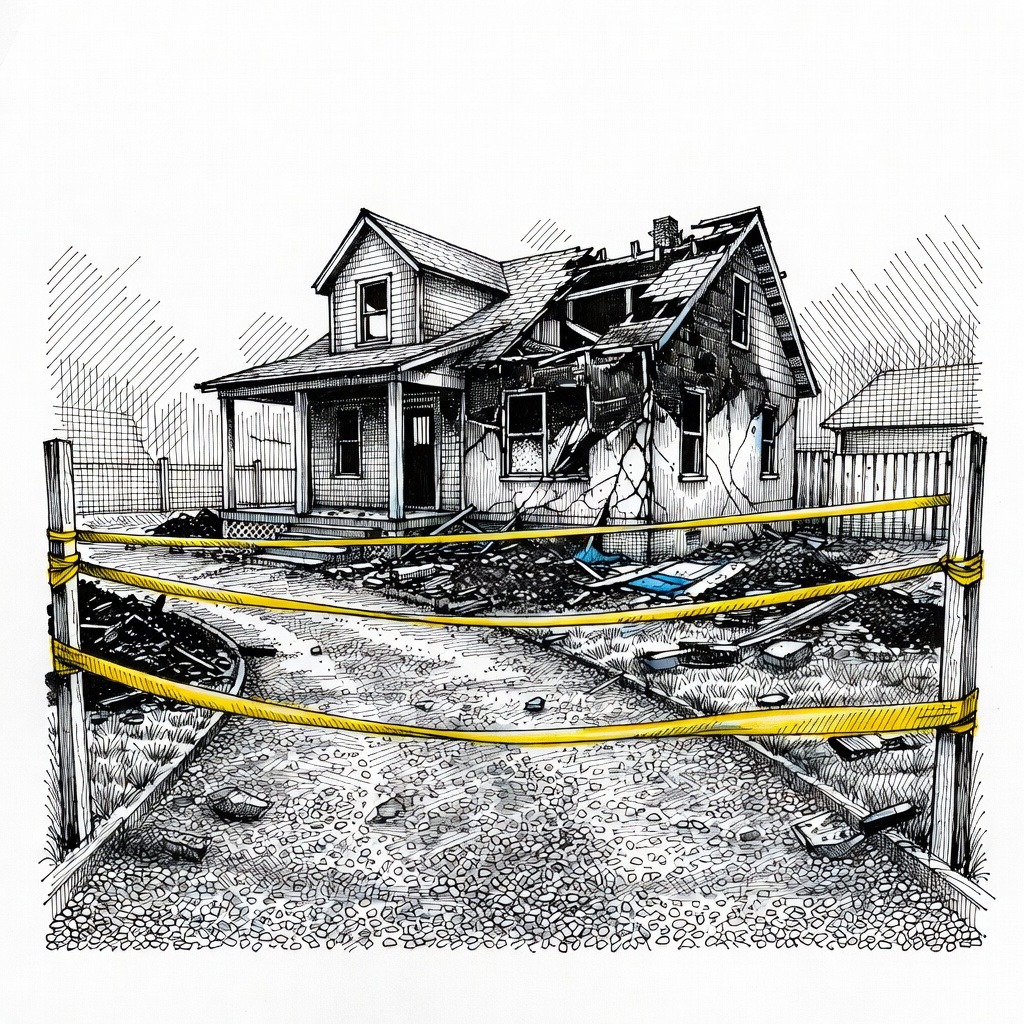
• Failing Vital Public Infrastructure Prioritizing equitable public safety means ensuring that basic life-saving infrastructure is accessible to all communities, regardless of location. The fatal delay in extinguishing the Billings home fire, caused specifically by safety concerns and a lack of nearby fire hydrants, exposes systemic municipal underinvestment that directly compromises emergency response. For reformers, this operational gap demonstrates how a failure to build out public utility networks turns a violent crisis into an uncontained, multi-hazard disaster that endangers surrounding neighborhoods.
• Exposing Gaps in Protection Protecting vulnerable children and family members requires proactive safety mechanisms that can identify domestic crises before they escalate into mass-casualty events. The perpetrator's lack of a criminal arrest record or history of physical violence, despite being known as verbally abusive and recently displaced, highlights the inadequacy of relying solely on a reactive criminal justice system. This logic argues that without early social-service intervention frameworks to address severe domestic friction and mental instability, vulnerable individuals are left to navigate volatile living situations with no institutional shield.
• Escalating the Lethality Threshold Challenging the institutional status quo means addressing how easily individuals experiencing acute personal crises can access tools of mass destruction. By deploying a firearm to kill eight family members, including four children, before setting the home ablaze, the suspect illustrated how unchecked lethal access transforms personal grievances into catastrophic loss. The long-term implication feared by this camp is that failing to regulate firearm access and monitor domestic welfare threats guarantees that first responders and children will continue to bear the fatal brunt of sudden, localized violence.
How it may affect me
As a U.S. reader:
• Residents in rural or decentralized areas may face local policy debates over whether to fund municipal utilities like fire hydrants or accept the reality of delayed emergency responses during fires.
• In the short term, communities can expect emergency personnel to continue prioritizing their own safety by delaying fire containment efforts during active shooter situations, even if it leads to greater property destruction.
• Citizens may see heightened debate over the balance between domestic privacy and the implementation of proactive social-service intervention programs designed to identify volatile family dynamics before they escalate.
• The incident may influence ongoing national discussions regarding whether to restrict firearm access for individuals undergoing severe personal distress, regardless of their lack of a prior criminal record.