
• Shielding Vulnerable Civil Populations The humanitarian framework prioritizes the protection of ordinary citizens from the devastating fallout of systemic economic warfare. The plunge of the Iranian rial to a record low of 2.02 million per U.S. dollar, combined with broad sanctions on technology and shipping, disproportionately harms the general public by driving up inflation and cutting off basic economic lifelines. Rather than targeting elite decision-makers, broad economic deprivation risks impoverishing the civilian population while the ruling class leverages its monopoly on power to hoard remaining resources.
• The Authoritarian Suppression Gamble This perspective views the assumption of imminent regime collapse as a dangerous miscalculation that overlooks historical precedents of authoritarian survival. As noted by expert Alireza Nader, economic pressure rarely translates into democratic transition, because regimes with a history of domestic suppression easily crush public opposition during times of crisis. Relying on unpaid pensions and payroll issues to trigger state collapse ignores the reality that ruling elites will prioritize funding their security apparatus over public welfare, further entrenching the police state.
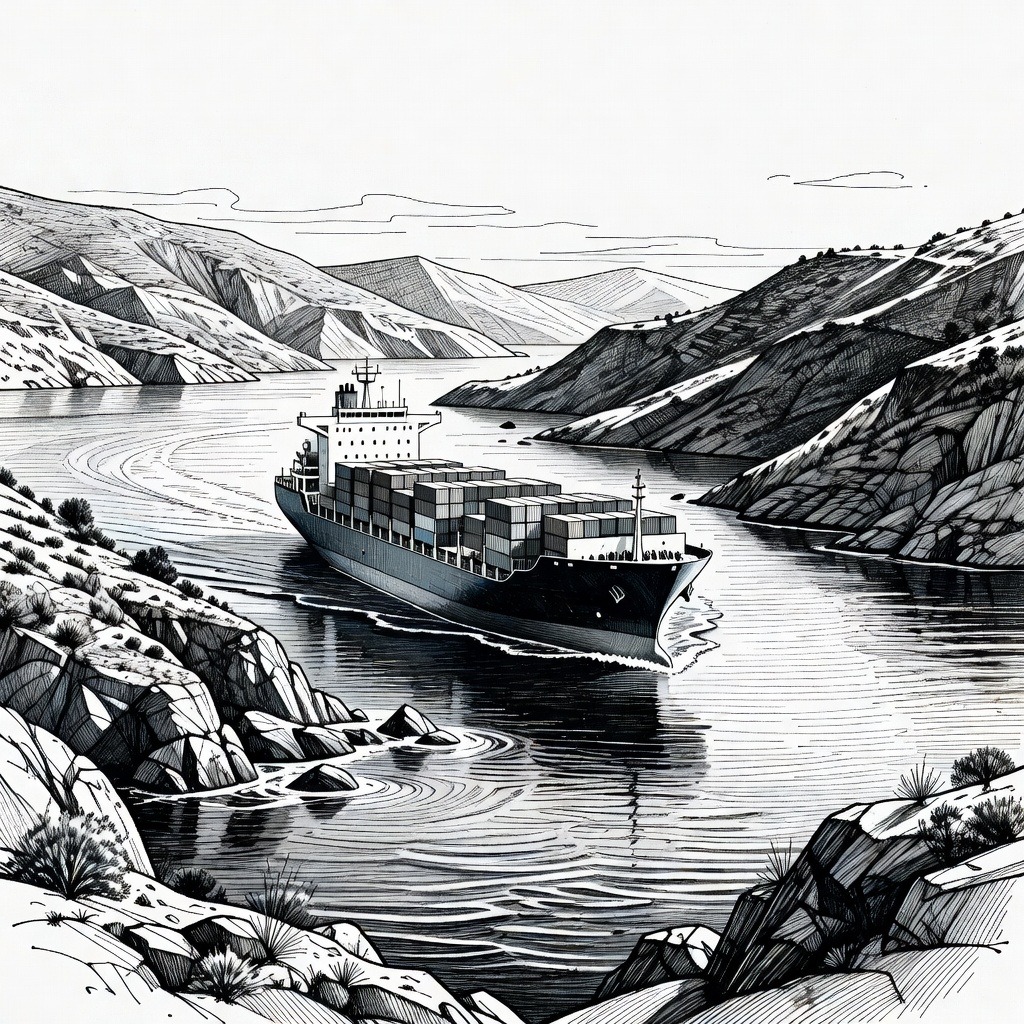
• Escalation Over Diplomatic Pivot Expanding secondary sanctions into digital assets, aviation, and gold represents an aggressive gamble that closes diplomatic channels and risks wider conflict. Forcing global financial institutions to choose sides by removing them from the U.S. dollar system creates systemic volatility and alienates international partners needed for multilateral diplomacy. By prioritizing unilateral coercion over structured negotiation to reopen the Strait of Hormuz, this strategy risks turning a six-month-old conflict into an unpredictable, open-ended cycle of retaliation.
How it may affect me
As a U.S. reader:
• You may experience immediate impacts on the banking sector as a major financial institution is expected to face sanctions within the week, which could disrupt certain global transactions.
• If you own, work for, or invest in U.S. businesses within the technology, aviation, gold, shipping, or digital asset sectors, you may see operational changes as these entities adjust to new secondary sanctions during the provided cure period.
• You could face systemic financial volatility and market instability resulting from the aggressive enforcement of global financial exclusion and the potential alienation of international trade partners.
• In the long term, you could see either a stabilization of global shipping routes if the Strait of Hormuz is successfully reopened, or a heightened risk of wider geopolitical conflict and retaliation.