
• Shielding Cultural Sovereignty Prioritizing the preservation of cultural heritage and public identity over unregulated corporate expansion. The dispute over American streaming platforms and French-language protections highlights the necessity of defending local cultural ecosystems from foreign media dominance. By resisting U.S. pressure, policymakers protect the public's right to culturally relevant content and prevent international conglomerates from eroding domestic cultural policies.
• Buffering Worker Vulnerability Protecting the livelihood of everyday workers and domestic industries from erratic, aggressive external shocks. The threat of 50% tariffs on Canadian automobiles, steel, and auto parts by January 2027 demands strong, retaliatory state intervention to stabilize local supply chains and prevent mass layoffs. Mobilizing government support and matching tariffs is a necessary defense mechanism to shield the working class from predatory trade practices and unilateral economic bullying.
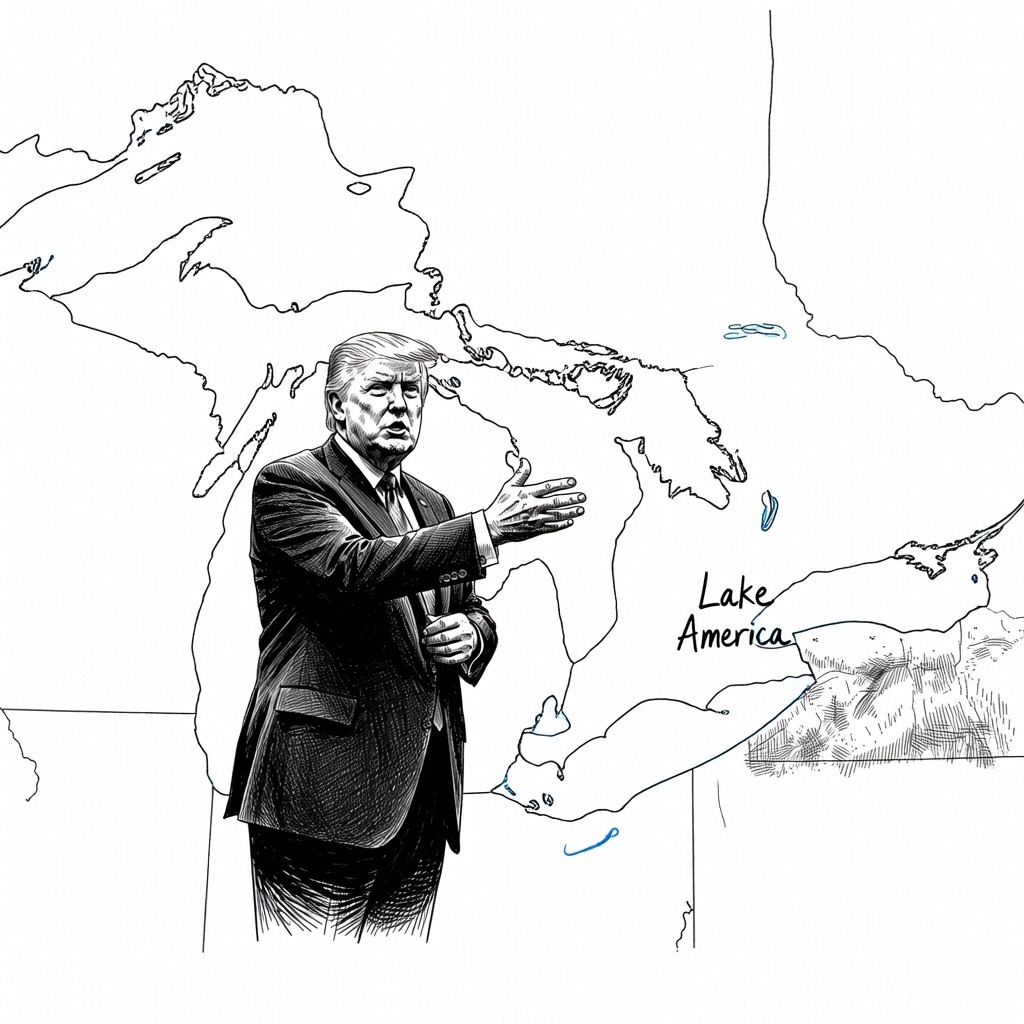
• Resisting Hegemonic Coercion Protecting democratic self-determination against hostile diplomatic posturing and economic blackmail. Provocative proposals like renaming Lake Ontario to "Lake America" and insults hurled by political figures expose a breakdown in fair, rules-based international cooperation in favor of brute-force leverage. Failing to stand firm against such intimidation invites further institutional exploitation and destabilizes the economic security of regional consumers and businesses.
How it may affect me
As a U.S. reader:
• In the short term, you may encounter higher costs for various Canadian products due to the recently implemented 50 percent duties on certain goods.
• In the long term, starting in January 2027, you could face increased prices or supply shifts when purchasing automobiles, trucks, auto parts, and steel due to scheduled 50 percent U.S. tariffs.
• You may experience the economic fallout of retaliatory tariffs and matching measures that the Canadian government is preparing to implement against U.S. sectors.
• If you utilize or work for American streaming platforms, you may be affected by ongoing disputes over Canadian regulatory policies and digital streaming restrictions.
• In the long term, U.S. workers in domestic manufacturing, automotive, and steel sectors could see their jobs and supply chains stabilized if the protective tariffs successfully reduce dependence on foreign imports.