
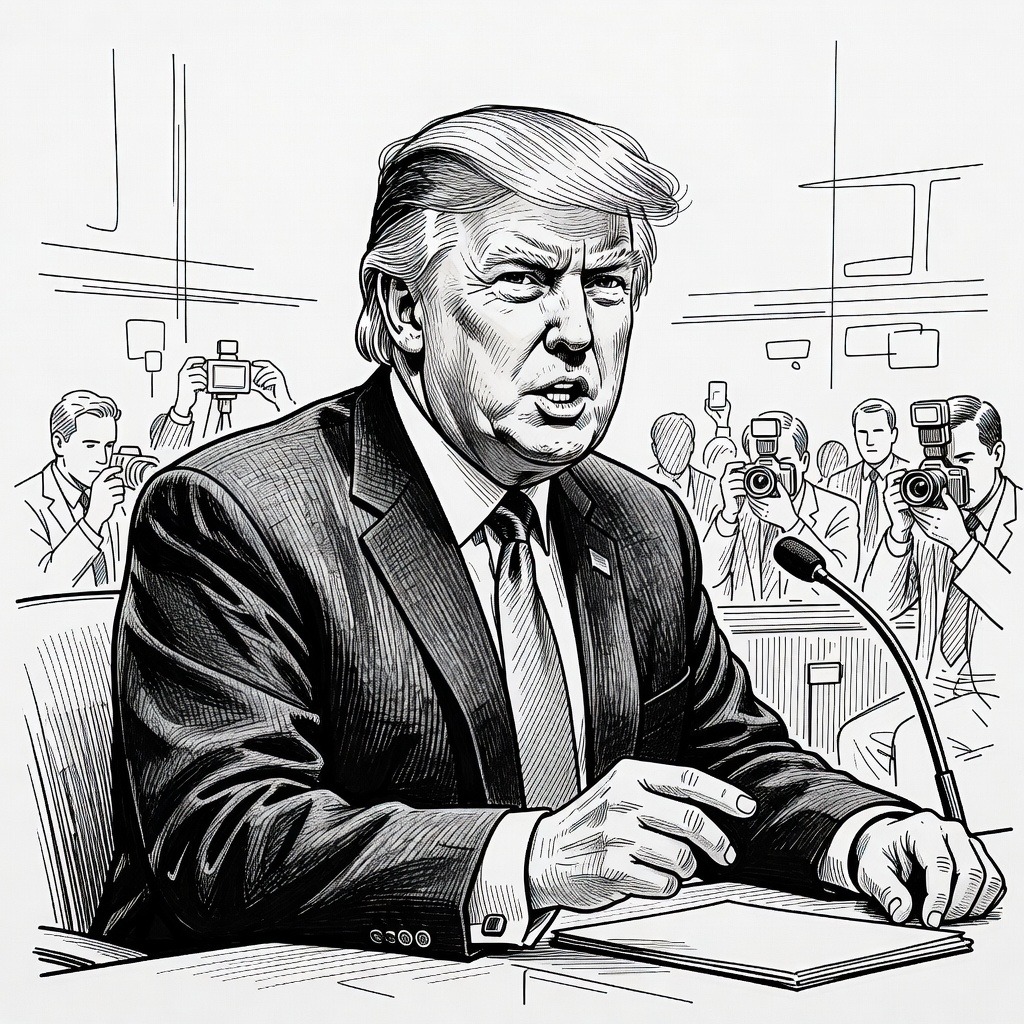
• Shielding Consumers From Artificial Costs Protecting vulnerable households from regressive financial burdens is the foundational priority of this perspective. Applying 50% tariffs on everyday goods like dairy, paper, and wood products under Section 338 of the Tariff Act operates as a direct extraction from ordinary consumers. Because trade experts confirm that domestic businesses and buyers ultimately absorb tariff costs, this unilateral policy threatens living standards to pay for failed diplomatic negotiations.
• Disrupting Interconnected Manufacturing Labor Predictable industrial operations are essential to protecting stable manufacturing jobs and corporate equity. The proposed 2027 auto tariffs introduce massive systemic friction into supply chains where vehicle parts must cross borders multiple times during assembly. Forcing these abrupt trade barriers onto integrated industries threatens automotive workers with job insecurity and operational disruptions as companies scramble to navigate regulatory chaos.
• Exposing Infrastructure To Escalatory Retaliation A sustainable economy requires cooperative trade relationships to protect national resource security and avoid volatile supply shocks. The threat of retaliatory Canadian tariffs on September 8, combined with Ontario's warning of cutting off electricity and critical minerals, demonstrates the high cost of aggressive unilateralism. Courting these severe consequences compromises domestic energy grids and green-energy manufacturing, leaving the public vulnerable to resource shortages.
How it may affect me
As a U.S. reader:
• You may experience price increases on specific Canadian imports like dairy, paper, wood, and hockey equipment, though a broader spike in inflation is unlikely in the short term.
• You could face domestic energy grid instability or resource shortages if Canadian officials retaliate by cutting off electricity and critical mineral exports.
• If you work in the automotive manufacturing sector, you may experience job instability and supply chain disruptions by 2027, or your employer may choose to re-shore assembly operations to the United States.
• If you are a domestic farmer or producer, you may benefit from protection against Canadian trade restrictions and provincial purchasing halts.