
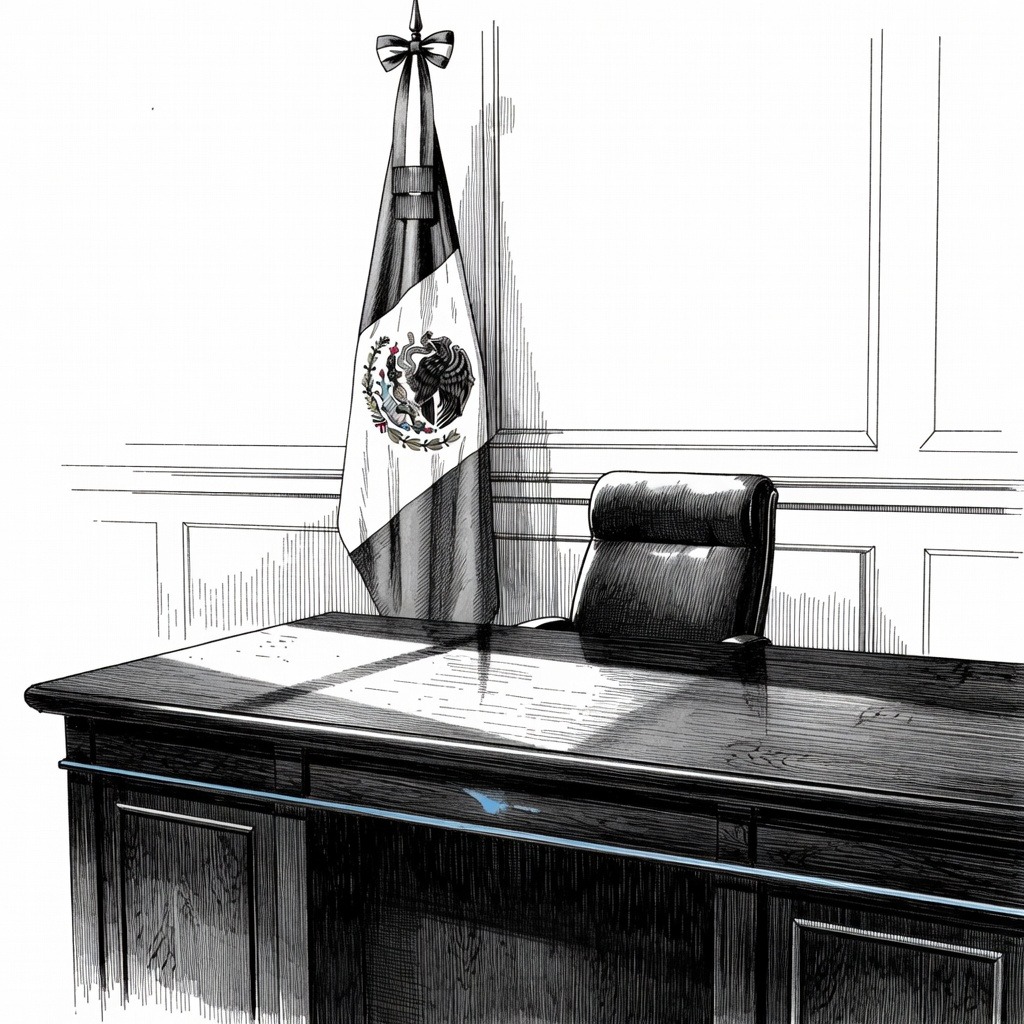
• Dethroning Institutional Impunity Government accountability demands that public officials face rigorous scrutiny when accused of colluding with criminal syndicates like the Sinaloa Cartel. Governor Rocha Moya's immediate request for an indefinite leave after a single day back in office highlights the deep failure of domestic oversight and the necessity of external pressure to disrupt entrenched political corruption. For the reformer, a voluntary appearance before the Attorney General is insufficient to clear a leader's name when severe drug and weapon conspiracy charges loom, necessitating a complete, transparent investigation to protect the vulnerable public from cartel influence.
• Prioritizing Public Welfare Over Power Social progress and civil liberties cannot survive when leaders put personal interests above those of the public, as highlighted by President Claudia Sheinbaum’s public rebuke of the governor's brief return. This stance validates the view that the state's ethical integrity must be protected from compromised individuals who threaten to undermine democratic institutions. Even if international charges are viewed skeptically, the domestic investigation kept open by the Interior Ministry is a vital mechanism to ensure that powerful elites are held to the same legal standards as ordinary citizens.
• Combating Chronic Democratic Decay The long-term risk of failing to hold corrupt officials accountable is the total erosion of public trust in democratic institutions, leaving vulnerable populations at the mercy of cartel violence. Dismissing external indictments strictly as foreign interference risks shielding bad actors under the guise of nationalism while ignoring the real-world harm of drug trafficking. To prevent complete institutional decay, reformers argue that the state must aggressively investigate the allegations against all ten accused officials rather than allowing strategic leaves of absence to stall justice.
How it may affect me
As a U.S. reader:
• The political instability and temporary leave of the Sinaloa governor, who is accused of conspiring with the Sinaloa Cartel, may influence the operational strength of cartels responsible for distributing illegal drugs and weapons into the United States.
• Tensions arising from United States prosecutors charging Mexican officials, which Mexican leadership has dismissed as foreign interference, could strain bilateral relations and reduce cross-border cooperation on drug enforcement and security.
• In the long term, if domestic investigations in Mexico fail to hold corrupt officials accountable, the resulting institutional decay and unchecked cartel influence could lead to sustained drug trafficking operations impacting U.S. communities.
• Any potential collapse of local governance or administrative chaos in the volatile Sinaloa region could lead to an escalation of cartel violence, which poses a threat to border security and regional stability.