
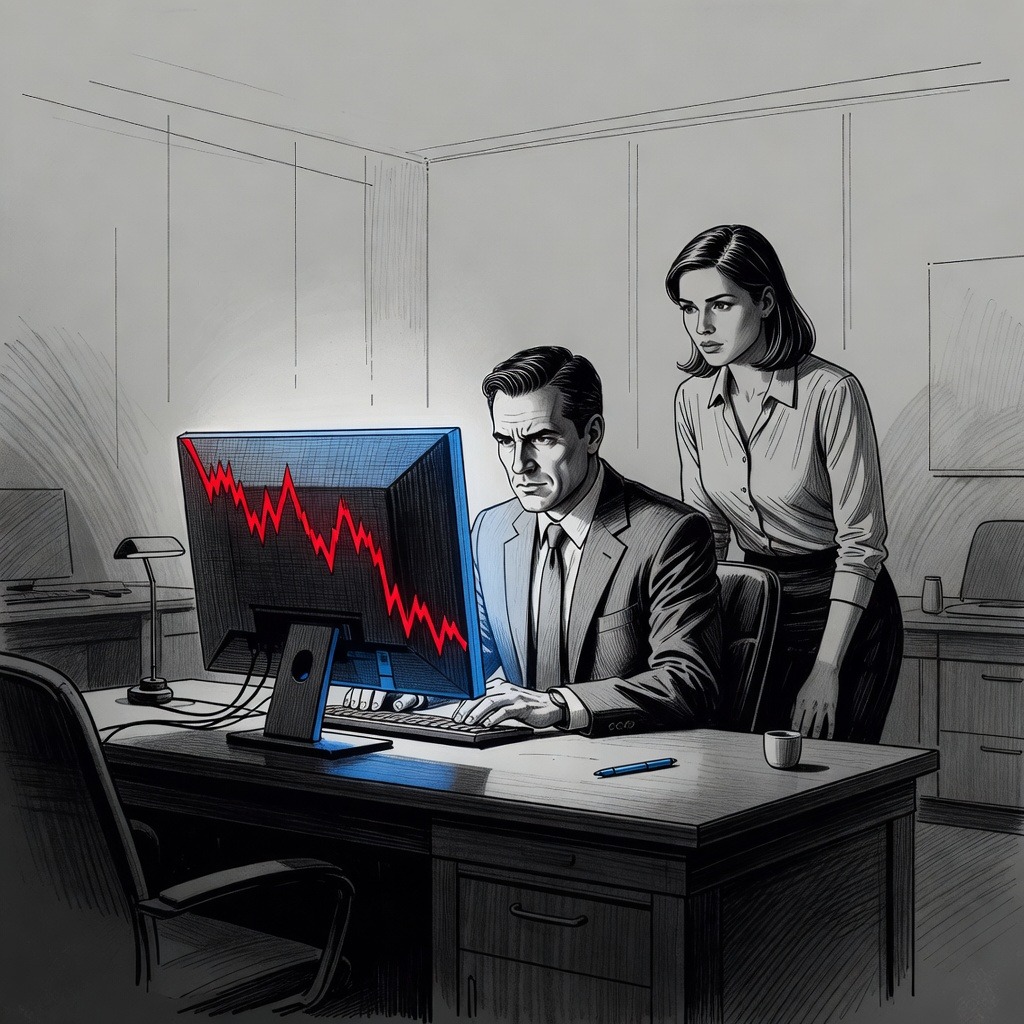
• Exposing Consumer Balance Squeezes The dramatic 9 percent drop in Walmart shares and Target's soft discretionary spending reveal the limits of consumer resilience in an inflationary economy marked by rising oil prices. When everyday shoppers pull back on essentials, it proves that bottom-up economic health is faltering, rendering top-down market growth unsustainable. This camp views the retail divergence as clear evidence that lower- and middle-income families are bearing the brunt of macroeconomic friction.
• Shielding Against Speculative Debt Broadcom's pursuit of over $60 billion in debt to fund artificial intelligence chip leasing represents a dangerous reliance on leverage that threatens systemic stability. In a climate of rising bond yields and volatile tech stocks, such massive capital extraction prioritizes speculative corporate bubbles over real-world economic resilience. This logic warns that unchecked corporate borrowing for unproven tech trends risks creating systemic vulnerabilities that eventually hurt ordinary workers.
• Enforcing Public Accountability Standards Governor Shapiro’s executive order imposing strict standards on data center developments is a necessary intervention to protect local communities and public resources from unregulated corporate expansion. Without robust government oversight, the rapid growth of energy-intensive technological infrastructure risks exploiting public utilities and worsening local environmental pressures. This perspective sees state regulation as a crucial mechanism to ensure that corporate growth does not come at the expense of civic well-being.
How it may affect me
As a U.S. reader:
• You may need to adjust your household budget due to rising oil prices and inflation, which could lead you to shift your discretionary spending toward better-performing value retailers.
• You could see short-term volatility in your personal investments and retirement accounts following the decline of major stock indexes.
• If you reside in Pennsylvania, you may benefit from new state standards designed to protect public utilities and local community resources from the energy demands of data centers.
• In the long term, your job security and the broader economy could be affected either by systemic vulnerabilities from high corporate borrowing in technology or by increased productivity from artificial intelligence innovation.