
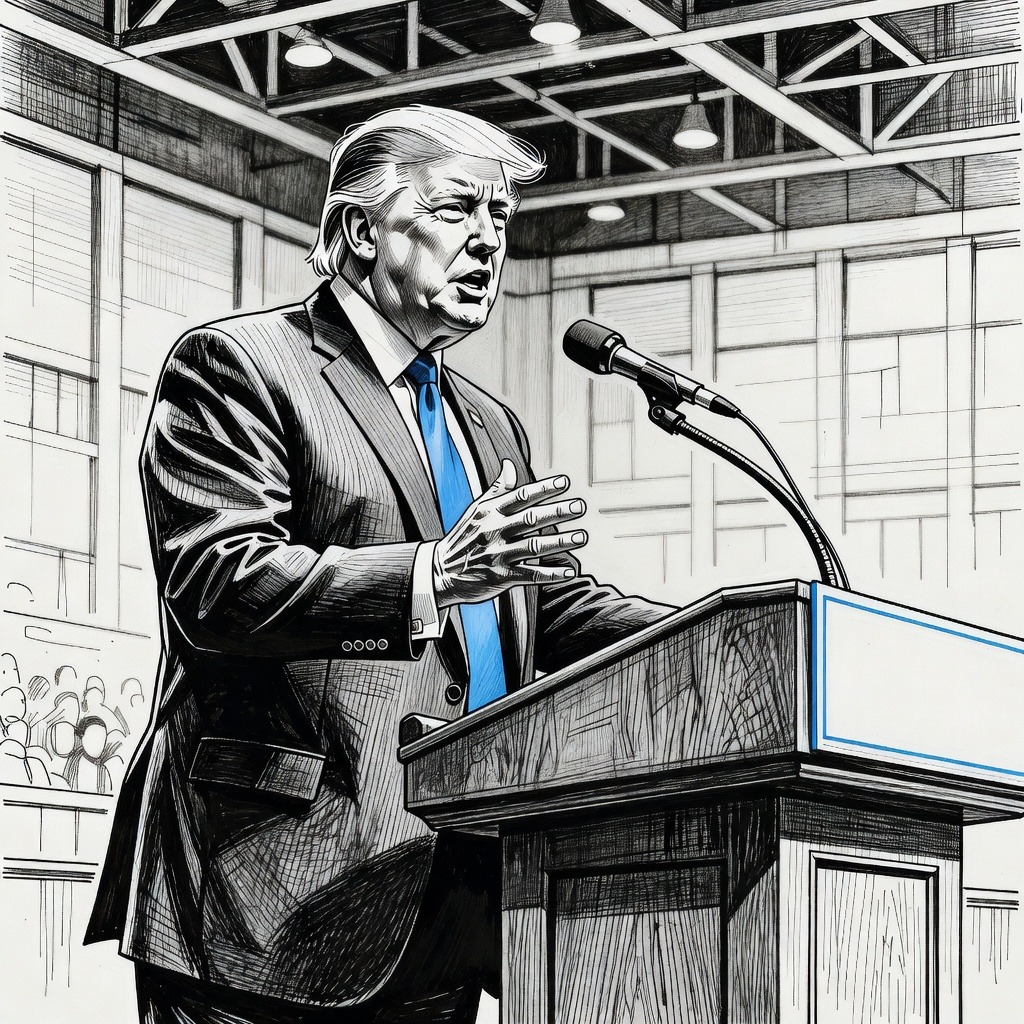
• Dismantling the Competence Shield The fundamental duty of a federal legislator is to safeguard national security, making Senator Darline Graham’s self-admitted deficit in foreign policy regarding Taiwan and the South China Sea a critical vulnerability. From this perspective, celebrating intellectual unpreparedness under the guise of focusing solely on domestic matters erodes the foundational standards of national governance. Government accountability requires representatives who possess rigorous technocratic competence, and using personal "honesty" as a shield to bypass these baseline expectations threatens effective representation on the global stage.
• Challenging the Dynastic Pivot Democratic progress is stalled when public offices are treated as hereditary assets, as seen in Graham's attempt to secure the seat of her late brother, Senator Lindsey Graham. Rallying voters to treat the Tuesday runoff ballot as if Donald Trump's own name were on it bypasses an objective, merit-based evaluation of the candidate's individual qualifications. This strategic pivot toward top-down, dynastic endorsements from figures like Senator Tim Scott and Representative Russell Fry undermines the competitive primary process and consolidates institutional power within closed, establishment circles.
• Exposing the Conformity Weapon Civil liberties and robust public debate are essential to a healthy democracy, meaning the swift removal of a protester at the Myrtle Beach Convention Center signals a troubling intolerance for dissent. When campaigns weaponize demands for absolute loyalty to a single national leader, they suppress local ideological diversity and authentic civic engagement. The ultimate risk of this approach is the normalization of highly controlled political environments that prioritize top-down conformity over genuine public accountability and free expression.
How it may affect me
As a U.S. reader:
• South Carolina voters face an immediate decision in the Tuesday runoff that will determine whether their representation focuses primarily on domestic issues like the Second Amendment and lower taxes, or incorporates broader foreign policy expertise.
• The election of candidates who prioritize domestic affairs over global matters could lead to a long-term shift in how the U.S. Senate approaches international security issues, such as tensions in Taiwan and the South China Sea.
• Public attendees at political campaigns and rallies may encounter more highly controlled environments where security quickly removes protesters to preserve order and prevent disruptions.
• The success of top-down endorsements and family-connected candidacies could either consolidate influence within established political coalitions or shift the national legislative balance toward non-traditional, citizen-led governance.