
• Shield Against Insider Enrichment Public trust requires absolute separation between state power and personal financial enrichment. Demanding tight ethics regulations on the Clarity Act is vital to prevent public officials from exploiting their policy-making positions to profit off volatile digital assets. Without these guardrails, regulatory frameworks become tools for systemic corruption rather than genuine public protection.
• Danger of Artificial Surges The rapid rise of Bitcoin past $77,000, driven by a $2.7 billion short squeeze and federal Treasury interventions, highlights the highly speculative and unstable nature of this market. This sudden surge does not reflect organic economic value but rather volatile market maneuvers that ultimately put everyday retail investors at risk. The fact that Bitcoin remains far below its October 2025 peak of $126,000 underscores the persistent danger of treating digital currencies as reliable financial pillars.
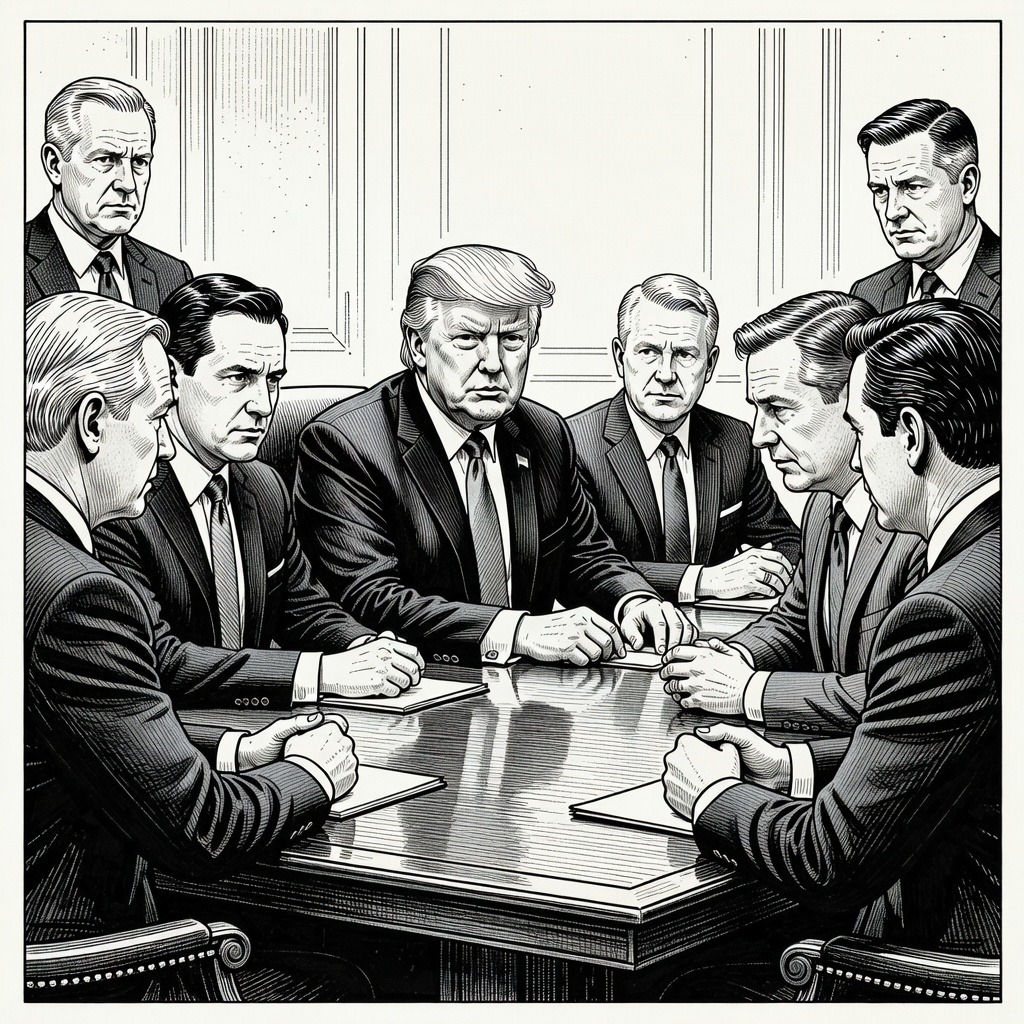
• Resisting Corporate Policy Capture Closed-door White House meetings between political leadership and chief executives from Kraken and Ripple represent a dangerous alignment of state power and corporate interests. Fast-tracking the Clarity Act at the behest of industry insiders risks sidelining crucial consumer protections in favor of corporate profit. Policy must be designed to protect the broader public, not to accommodate the lobbying demands of digital finance giants.
How it may affect me
As a U.S. reader:
• Everyday retail investors face heightened financial risk from a highly volatile and speculative cryptocurrency market, despite recent price surges and gains in related stocks like Coinbase and Circle.
• Depending on the outcome of the September 15 Senate vote on the Clarity Act, the public could see either new ethics regulations preventing public officials from profiting off digital assets, or a fast-tracked framework designed to attract global capital.
• Future consumer protections may either be sidelined by corporate lobbying efforts or strengthened to prevent systemic corruption and protect the broader public.
• Public borrowing costs and broader economic stability may be influenced by the federal government's ongoing treasury buybacks of long-dated government debt.