
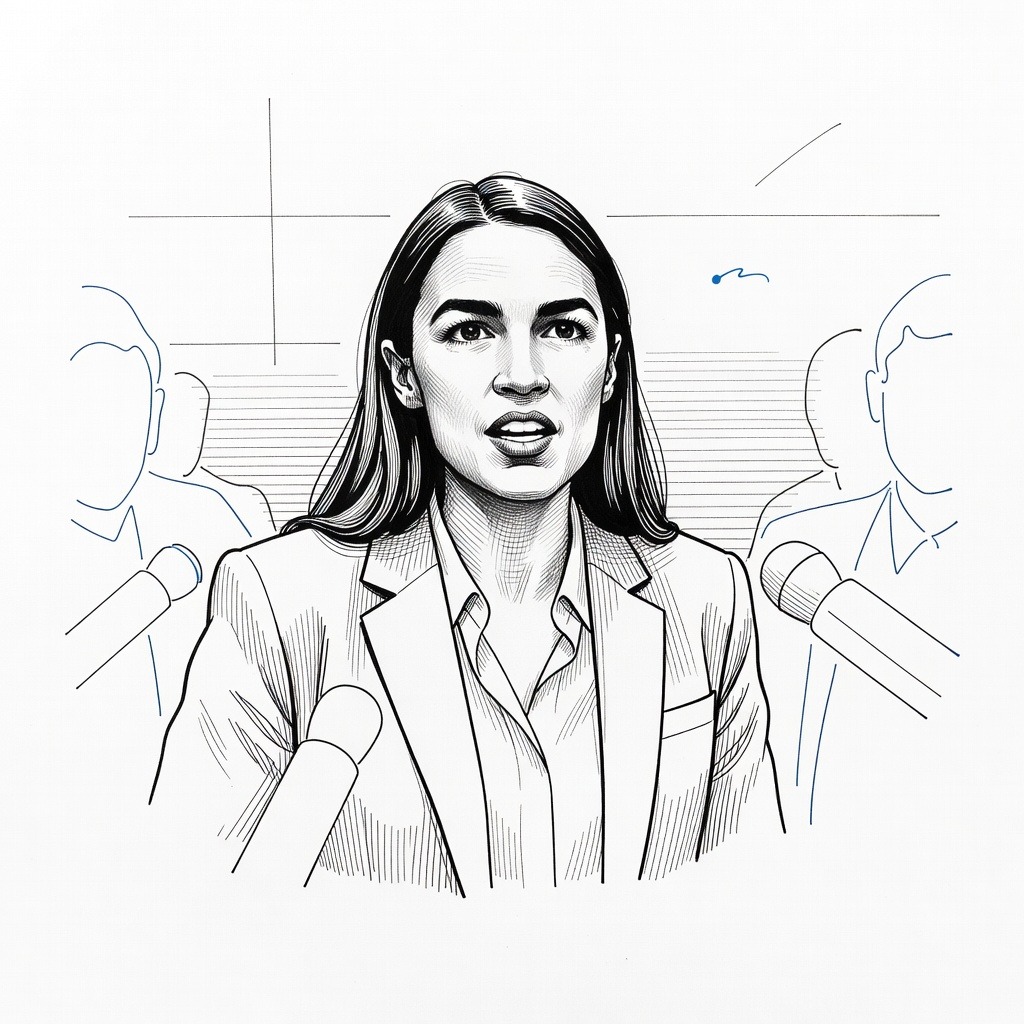
• Disrupting the Institutional Status Quo Social progress requires challenging stagnant power structures from within to force institutional accountability. Winning two-thirds of endorsed primaries across diverse states like New York, Colorado, and Michigan proves that a significant portion of the electorate desires a bold shift away from centrist compromise. By unseating three incumbents and securing five open races, these candidates have established an independent grassroots mandate. Alexandria Ocasio-Cortez’s assertion that independent candidates are stronger when free from party leadership highlights a commitment to systemic reform over rigid party discipline, ensuring new lawmakers answer directly to their constituents rather than party brokers.
• Anchoring the Ideological Base Political efficacy is maximized by securing ideological strongholds rather than diluting progressive messages to chase centrist voters. Focusing campaign resources on safe Democratic seats, as outlined by Usamah Andrabi, builds a resilient legislative bloc capable of driving the national agenda from a position of security. This strategy shifts the party’s gravity leftward, transforming safe zones into laboratories for progressive policy rather than passive electoral assets. Strengthening the core ensures that reformist priorities are championed by lawmakers who do not fear electoral backlash, solidifying a permanent vanguard within the congressional caucus.
• Shattering Establishment Gatekeeping Institutional gatekeepers naturally resist systemic change to preserve their own authority and maintain the status quo. House Minority Leader Hakeem Jeffries’ rejection of key progressive platforms like defunding the police, while simultaneously accepting winners into the caucus, illustrates the ongoing tension between grassroots momentum and top-down party control. Progressive victories challenge this containment strategy, forcing leadership to accommodate candidates who reject traditional party discipline. Ultimately, this friction prevents the co-optation of reformist energy by an establishment that previously joined Republicans in June 2025 to block critical constitutional accountability measures.
How it may affect me
As a U.S. reader:
• Residents in strongly Democratic districts in states such as New York, Colorado, and Michigan may soon be represented by congressional lawmakers who are more progressive and independent of traditional party leadership.
• In the long term, if these progressive lawmakers successfully enact their platforms, the public could experience legislative shifts toward higher taxes, changes to border policies, and the defunding of police and prisons.
• If a Democratic majority is elected to the House, voters may see immediate congressional focus shift toward the impeachment of Donald Trump, potentially escalating partisan conflict and distracting from other legislative priorities.
• Voters in highly competitive swing districts may find that the national Democratic party faces challenges in winning their districts if the platform of the party's safe-district lawmakers alienates moderate voters.