
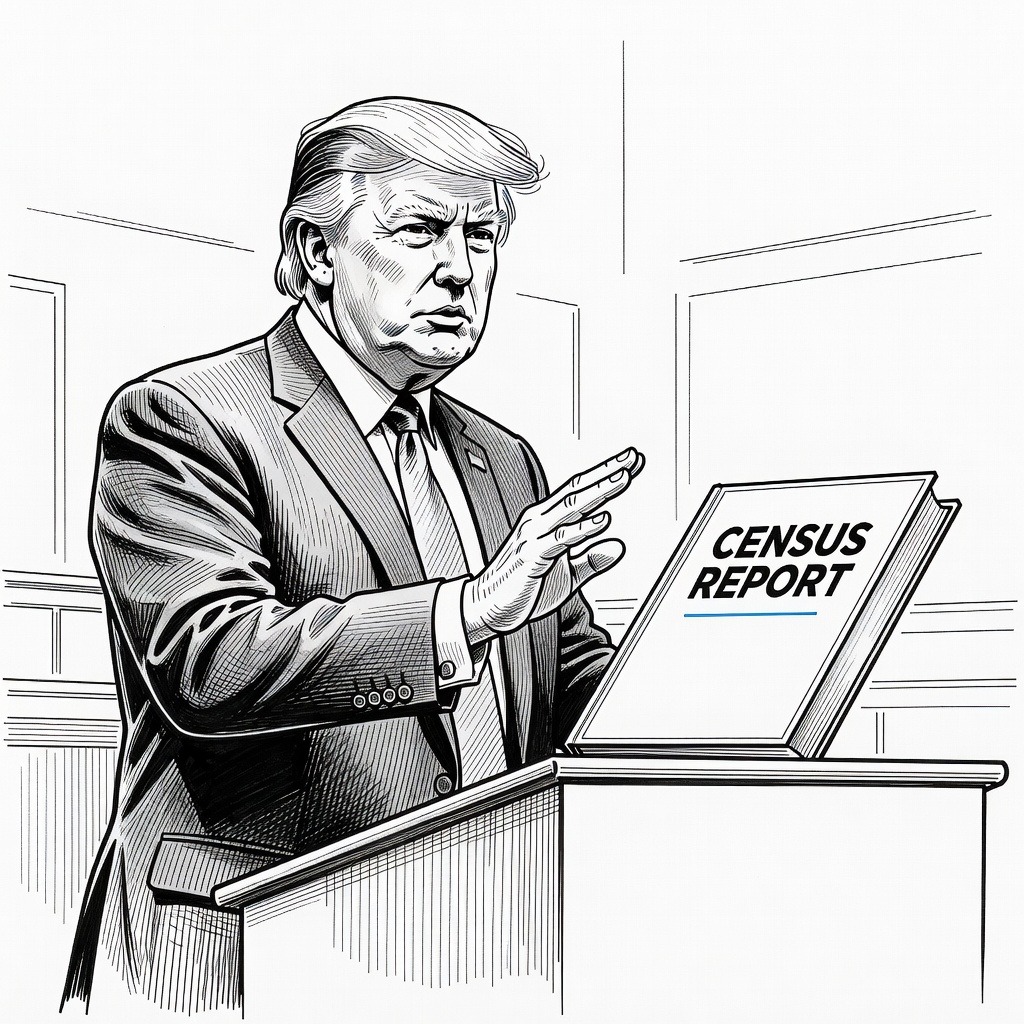
• Shielding Democratic Bureaucracy Prioritizing bureaucratic neutrality, reformers interpret the unauthored Census report as a dangerous politicization of federal data systems. By integrating America First Policy Institute affiliates rather than relying on career civil servants, the analysis bypassed established standards to generate a partisan narrative. This subversion of institutional norms threatens to weaponize government agencies to justify restrictive voting policies.
• Defending Local Self-Correction Prioritizing civil liberties and voter access, this perspective views the correction of New Jersey's Motor Vehicle Commission software error as proof of robust state-level self-correction. The deletion of 5,100 registrations and rejection of 1,450 others show that state administrative protocols successfully managed the glitch without federal overreach. Transforming these administrative errors into a narrative of 24,000 illegal votes serves primarily to manufacture distrust in legitimate election outcomes.
• Deterring Disproportionate Crackdowns Prioritizing proportional justice, this camp fears that aggressive federal actions will lead to systemic voter intimidation. Highlighting the legal charges against only four noncitizens who cast ballots serves as a political scare tactic rather than a balanced enforcement strategy. Such high-profile prosecutions risk alienating eligible immigrant communities and discouraging legitimate voters from participating in the civic process.
How it may affect me
As a U.S. reader:
• Registered voters may face closer scrutiny of their registration status as local and state officials continue to review flagged names and clean up voter rolls.
• The public may encounter stricter voter verification requirements and increased federal oversight in future elections as policymakers debate how to secure state registration systems.
• Eligible immigrant communities and legitimate voters may experience confusion or worry about participating in elections due to high-profile prosecutions and debates over noncitizen voting.
• Citizens may see changes in how national election data is collected and reported, with potential increases in the use of outside analytical teams to review government databases.