
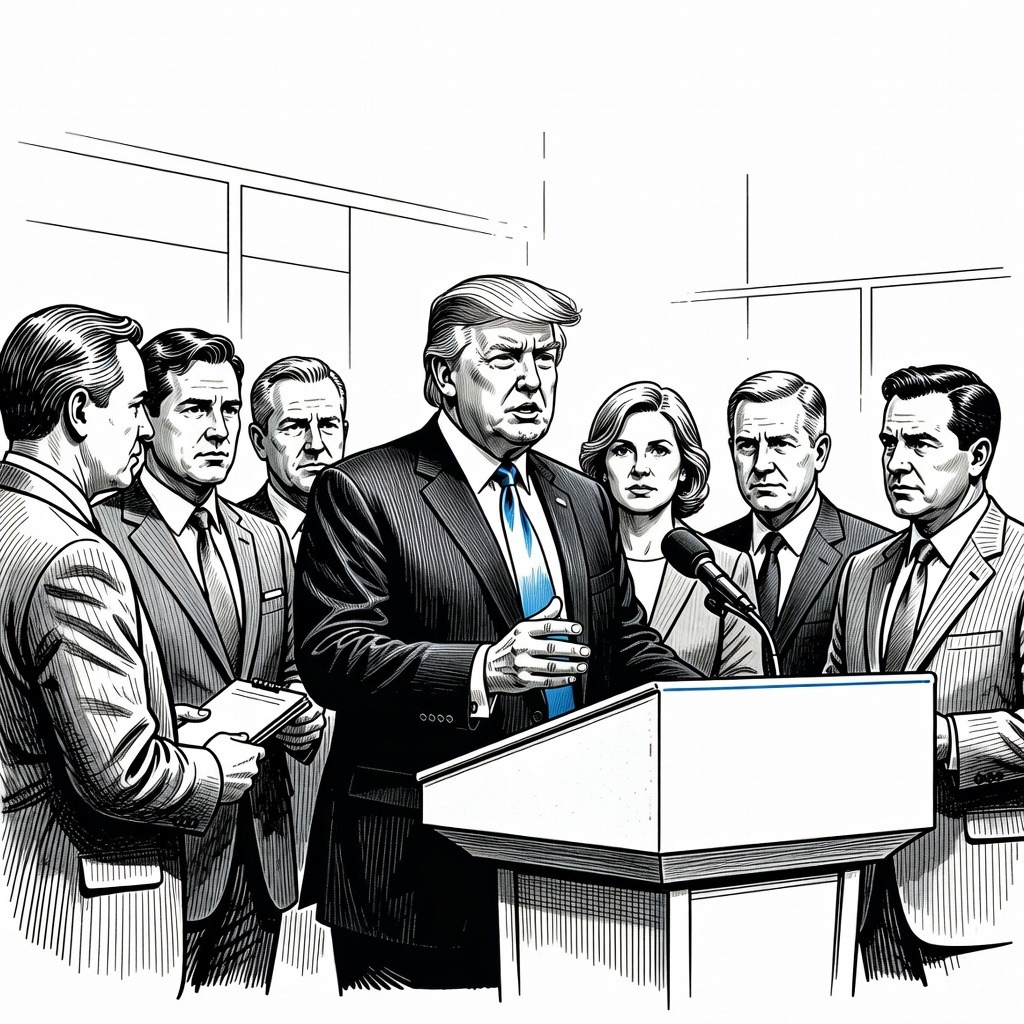
• Shattering Global Economic Stability Prioritizing human security and international equity, this perspective views aggressive, unilateral sanctions like the "economic D-Day" as reckless triggers for global market volatility. The immediate 2.9 percent spike in Brent crude to $94.31 and the 3.3 percent rise in WTI to $88.67 demonstrate how economic brinkmanship penalizes ordinary global consumers under the guise of security. Unilateral financial warfare disrupts vital supply chains, drives inflation, and inflicts widespread economic pain on vulnerable populations without offering a viable, peaceful path forward.
• Blocking the Diplomatic Off-Ramp Valuing diplomatic compromise and conflict resolution, this framework sees maximalist demands—such as requiring Iran to completely eliminate its nuclear program before resuming talks—as a recipe for permanent gridlock. Labeling these sweeping financial measures "economic terrorism," Iran's leadership naturally retreats into defensive hostility rather than cooperation. By dismantling the realistic off-ramps for negotiations, this strategy risks turning a manageable diplomatic challenge into an unavoidable, catastrophic regional war.
• Fueling the Cycle of Violence Prioritizing international law and human rights, this lens views military posturing—such as deploying the USS George Washington to replace the USS Abraham Lincoln—as an escalatory move that hardens domestic tyranny. The tragic execution of 21-year-old Afghan national Ghaem Hosseini without evidence illustrates how external military pressure allows authoritarian regimes to justify internal crackdowns under the banner of national security. Rather than protecting regional actors, heavy-handed naval deployments and sweeping trade suspensions isolate populations and perpetuate a cycle of violence and human suffering.
How it may affect me
As a U.S. reader:
• You may see an immediate increase in gasoline and energy prices due to the 3.3 percent rise in U.S. West Texas Intermediate crude oil futures.
• You could face broader inflation and supply chain disruptions resulting from the targeting of international cash transfers, currency swaps, and shipping registries.
• You may experience the security and financial implications of an ongoing U.S. military presence in the Middle East, represented by the deployment of the USS George Washington to replace the USS Abraham Lincoln.
• You might see long-term regional stability if economic deterrence succeeds, or face the risks of a broader regional conflict if diplomatic options remain stalled.