
• Shielding Consumers From Inflation Protecting the purchasing power of everyday citizens is the primary metric of a healthy economy, making artificial debt manipulation highly dangerous. Funding $4 billion in bond buybacks with short-term bills—pushing short-term government debt to 22.2%, well above the recommended 20% limit—creates severe structural inflation risks. As portfolio manager Brij Khurana warned, relying on short-term bills risks keeping inflation "sticky" and persistent, which acts as a regressive tax that disproportionately harms low- and middle-income consumers.
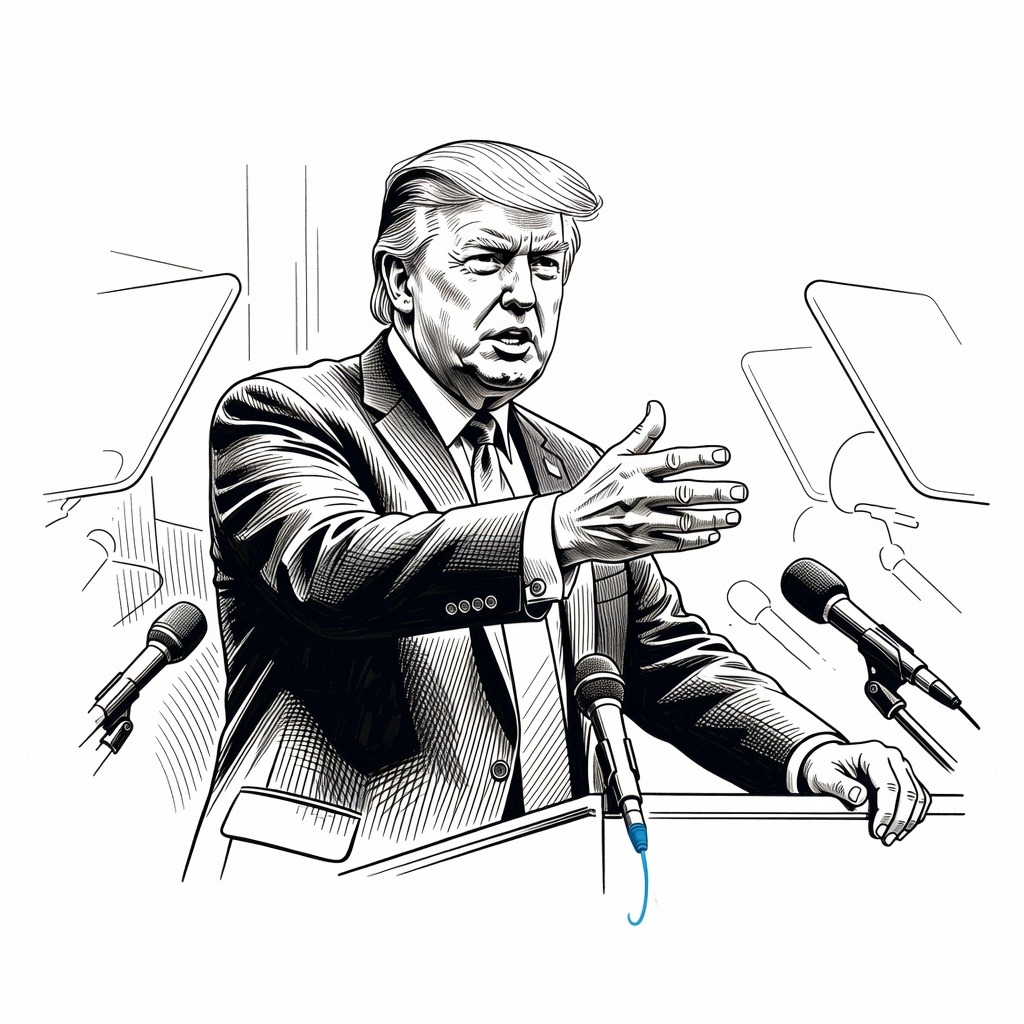
• Resisting Executive Market Distortions Preventing the political manipulation of financial institutions is essential to protect the public from corrupt or short-sighted economic policy. When executive leadership publicly pressures the Federal Reserve to lower rates to manage national debt, it compromises the central bank's independence and risks destabilizing the broader economy. As economist Joseph Brusuelas noted, these Treasury interventions distort the market and pressure the Fed, turning monetary policy into a tool for short-term political theater rather than long-term public benefit.
• Curbing Financial Speculation Hazards A fair economy must prioritize real wage growth and stable prices over the inflation of financial assets that primarily benefit the wealthy. Artificially driving down the 10-year Treasury yield to 4.63% through doubled buyback volumes protects large bondholders and Wall Street institutions while weakening the U.S. dollar by 0.8%. This dynamic fuels speculative bubbles in financial markets while regular workers bear the consequences of currency depreciation and elevated living costs.
How it may affect me
As a U.S. reader:
• You may experience persistent inflation and elevated living costs if the Treasury's reliance on short-term bills to fund buybacks keeps inflation sticky.
• You could face higher interest rates on loans and credit in the near future if the Federal Reserve raises its benchmark rate because inflation does not decline.
• Your purchasing power could be reduced due to a weaker U.S. dollar, which fell by nearly 0.8 percent following the Treasury's announcement.
• You may benefit from job stability and business growth if keeping interest rates steady prevents economic contraction and allows companies to easily access capital.