
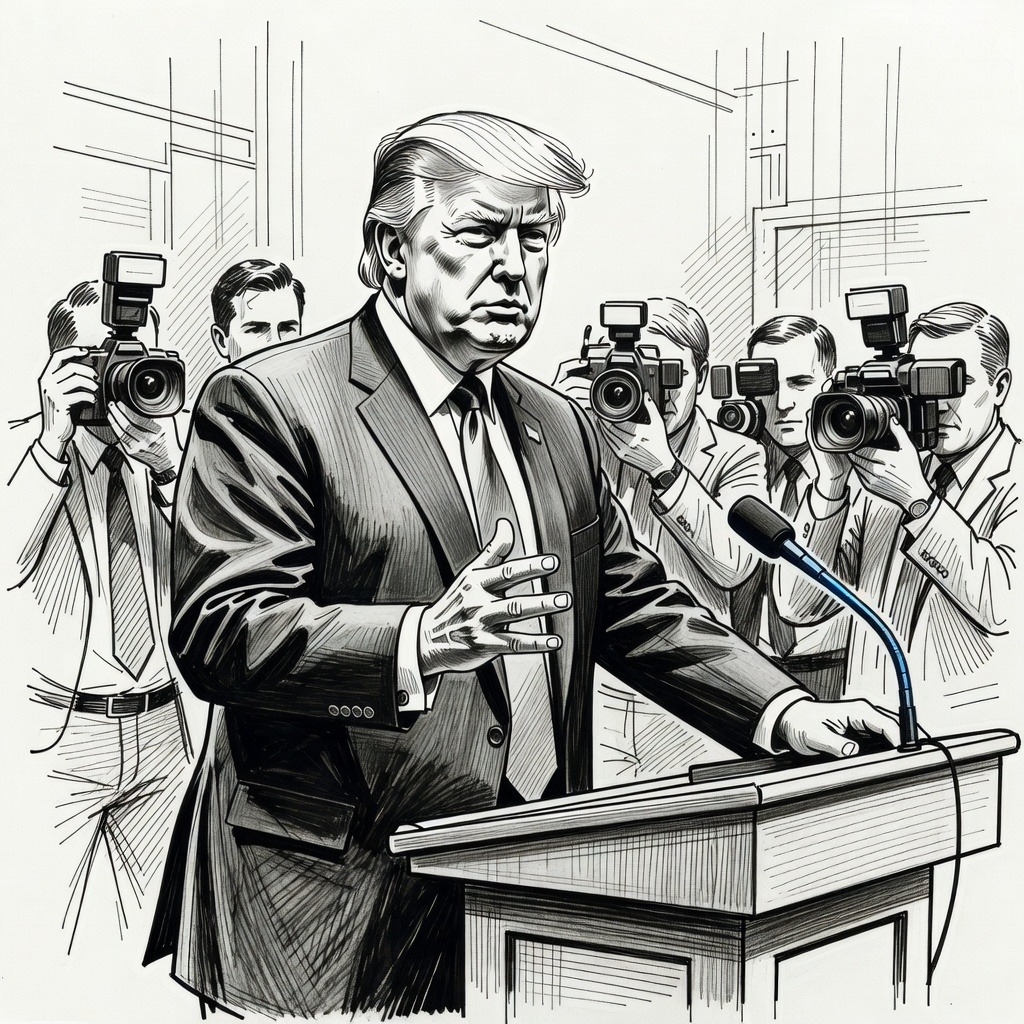
• Shielding Vulnerable Household Budgets Prioritizing consumer protection means viewing retaliatory trade barriers on everyday items like dairy, wine, and whiskey as direct financial penalties on ordinary families. A 50% tariff under Section 338 threatens to artificially inflate living costs, transforming geopolitical disputes into regressive taxes that disproportionately impact middle- and lower-income households. Protecting the financial stability of consumers must take precedence over aggressive trade posturing that disrupts local economies.
• Exposing Corporate Capture Tactics The strategic pause to potentially revive the Keystone XL pipeline reveals how trade threats can be leveraged to bypass environmental safeguards and benefit major fossil fuel conglomerates. Forcing concessions on a controversial energy project canceled in 2021 illustrates how national trade policies can be co-opted to serve corporate interests rather than public welfare. This transactional approach risks sacrificing long-term ecological and community health for short-term political wins.
• Stemming Small Business Devastation Unpredictable, eleventh-hour tariff pauses cause severe operational chaos for independent businesses that lack the capital to absorb sudden market shocks. As Dan Kelly of the Canadian Federation of Independent Business noted, even the threat of these duties causes U.S. buyers to delay orders, showing how speculative policy volatility immediately damages the livelihoods of working-class producers. Real economic progress requires stable, predictable rules rather than erratic brinkmanship that leaves small enterprises in constant precarity.
How it may affect me
As a U.S. reader:
• You will experience a temporary reprieve from immediate price increases on everyday Canadian imports like dairy, wine, and whiskey while the three-day tariff pause is in effect.
• If you are a business owner or buyer, you may still face short-term supply chain disruptions and delayed orders due to the sudden and volatile nature of the tariff negotiations.
• You could experience long-term impacts on regional energy security, infrastructure, and community environmental health if the trade negotiations result in reviving the Keystone XL Pipeline.
• You may see long-term economic benefits for domestic industries, particularly in motor vehicles, dairy, and alcohol, if the administration successfully leverages the tariff threat to secure fairer trade terms with Canada.