
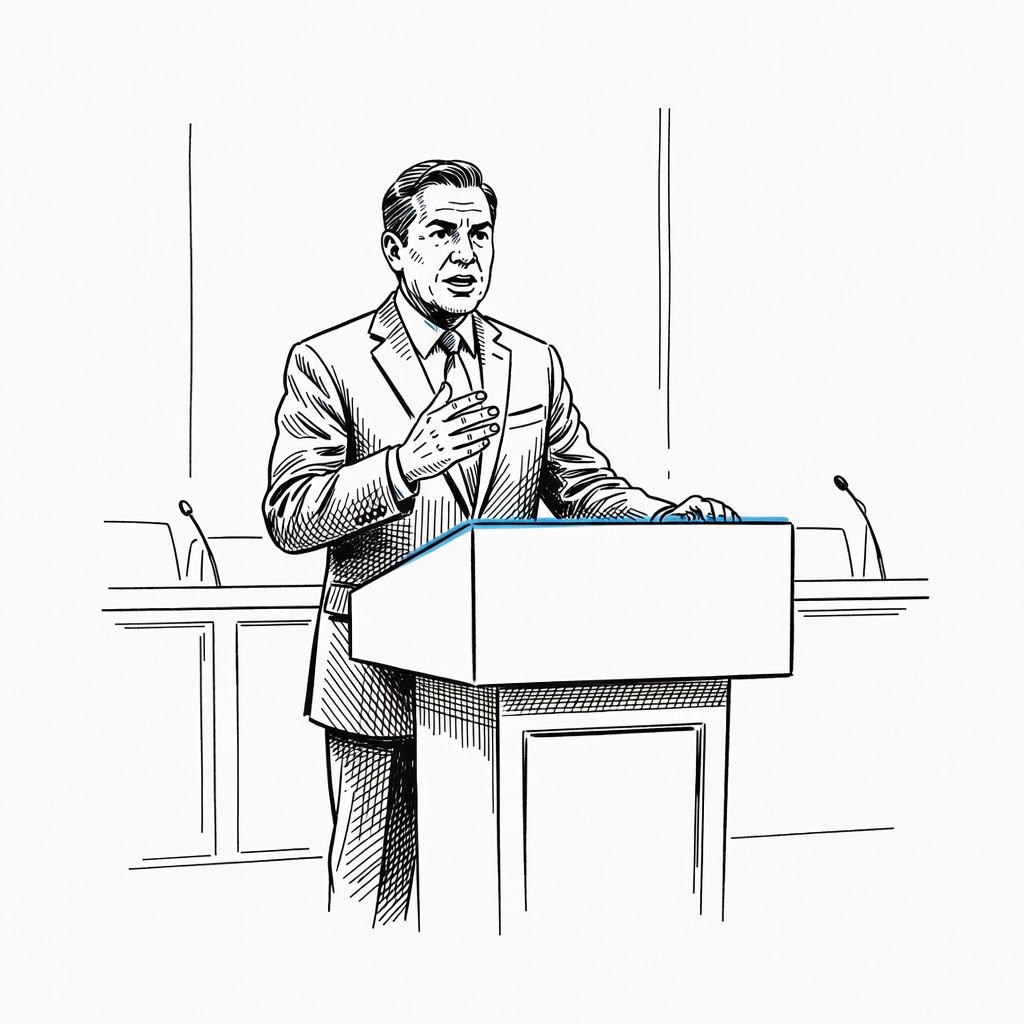
• Shielding Vulnerable Digital Users Prioritizing the protection of vulnerable demographics requires direct government accountability to halt exploitative corporate practices. The coalition of 29 states aims to shield children from addictive platform designs like infinite scroll, autoplay, and beauty filters that damage youth mental wellbeing. From this perspective, when private entities prioritize engagement metrics over public health, state-enforced interventions are the only viable mechanism to challenge the corporate status quo and protect young citizens.
• Exposing Deceptive Institutional Conduct A just society demands absolute transparency and rigorous accountability to prevent powerful organizations from misleading the public. The testimony of whistleblower Arturo Bejar and the states' evidence of conflicting internal research demonstrate that Meta knowingly exposed youth to heightened risks while publicly claiming otherwise. Seeking significant civil penalties of up to $200 billion is a necessary mechanism to penalize corporate deception and ensure that public safety cannot be compromised for executive gain.
• Pivot Toward Systemic Regulation True social progress is achieved by establishing robust legal precedents that reform entire industries rather than addressing issues piecemeal. This federal trial in Oakland represents a pivotal moment to reshape the digital landscape, especially as similar legal actions target other major platforms like TikTok, YouTube, and Snap. Forcing the deletion of personal data and algorithms associated with children under 13 is a crucial step toward dismantling extractive data-collection models and establishing a safer digital standard.
How it may affect me
As a U.S. reader:
• In the short term, families may see the removal of popular social media features such as autoplay, beauty filters, and infinite scroll if the lawsuit successfully forces Meta to alter its platform designs.
• Parents of children under the age of 13 could have their children's personal data and algorithmic profiles completely deleted from Meta's databases.
• The public may see a shift in digital parenting, with state-enforced safety regulations and platform designs replacing or supplementing direct parental oversight of children's online behavior.
• In the long term, users of other major platforms like TikTok, YouTube, and Snap could see similar changes in features and data policies as a wave of coordinated state-level lawsuits targets the broader tech industry.
• Consumers could experience potential market instability or a chilling effect on digital innovation if massive financial penalties and fragmented state-by-state regulations disrupt the tech economy.