
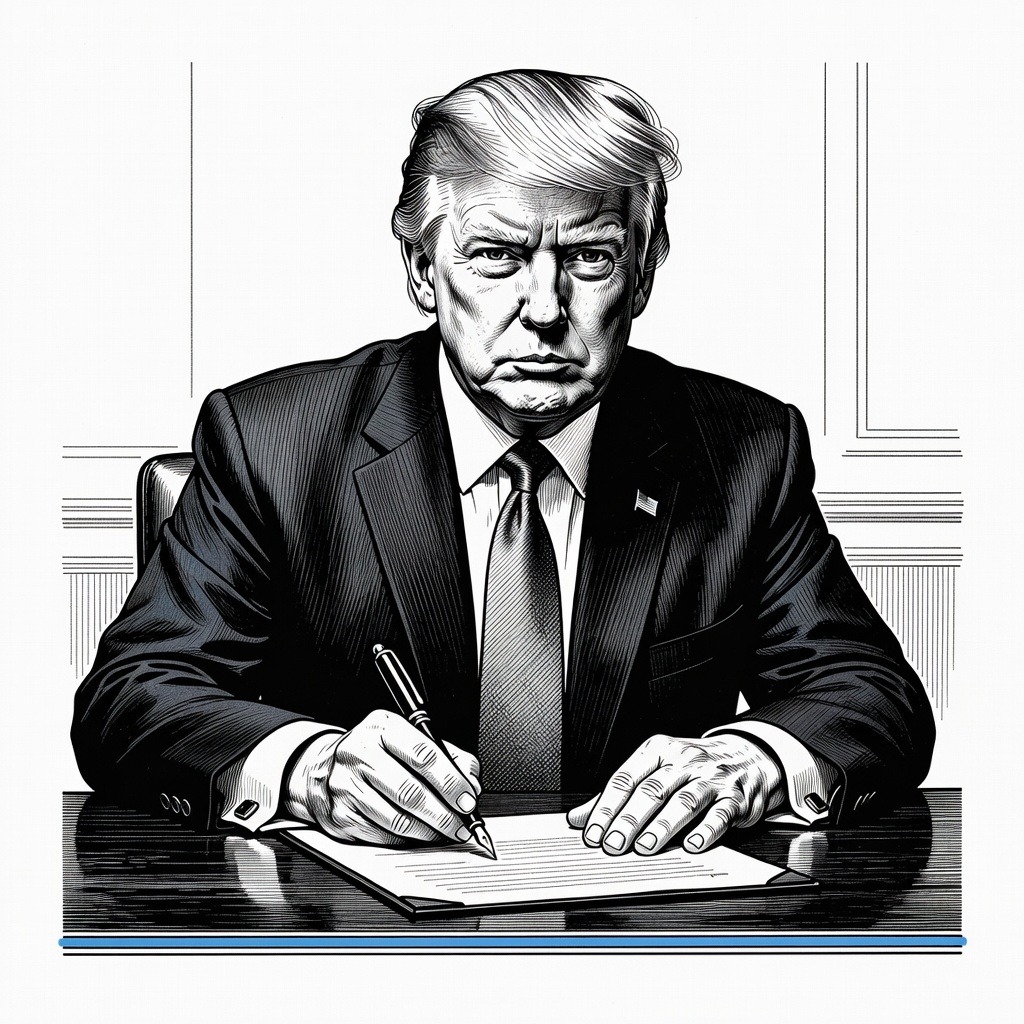
• Squeezing Vulnerable Consumer Markets Prioritizing consumer welfare and economic stability means viewing unilateral 50% tariffs on $20 billion of goods—including daily necessities like tongue depressors and recreational items like hockey sticks—as an aggressive tax on working-class citizens. Using a Great Depression-era tool like Section 338 bypasses standard legislative oversight, creating immediate market volatility. This framework interprets executive trade threats not as a strategic victory, but as an extraction of economic security from ordinary consumers to fuel political agendas. The looming 12:01 a.m. Wednesday deadline forces an artificial crisis that disrupts stable commercial networks.
• Eroding Collaborative Diplomatic Norms Prioritizing international cooperation and civil stability means viewing the escalation of trade hostilities as a direct threat to a highly integrated bilateral relationship where $2 billion in goods cross the border daily. Forcing Canada into concessions regarding military equipment purchases and missile defense under the threat of economic coercion fosters deep public resentment. This backlash is clearly evidenced by the 218,000 signatures on a petition to expel the U.S. ambassador since July 21. This logic holds that secure alliances cannot be sustained through economic blackmail, which ultimately weakens regional security.
• Triggering Uncontrollable Economic Backlash Prioritizing systemic predictability and protection against corporate extraction leads to deep concern over the U.S. Trade Representative's declaration that retaliation will not be tolerated. Striking down global tariffs in a February Supreme Court ruling should have signaled a return to multilateral norms, but pivoting to an untested, unlimited statutory loophole threatens to dismantle international trade rules. The long-term risk of this approach is a chaotic, protectionist spiral that disrupts critical supply chains in steel, aluminum, and softwood lumber. This camp fears that unilateral actions will permanently damage domestic industries that rely on stable import pipelines.
How it may affect me
As a U.S. reader:
• You may experience higher prices on certain imported Canadian goods, such as hockey sticks and tongue depressors, if the 50 percent tariff goes into effect.
• Your job or local economy could be impacted by supply chain disruptions in domestic industries that rely on imports of Canadian steel, aluminum, and softwood lumber.
• If you are employed in the American auto, alcohol, or cheese industries, you may benefit from increased protection and reduced foreign trade barriers.
• You could see changes in national security and resource security if Canada agrees to join the continental missile defense program and supply critical minerals.