
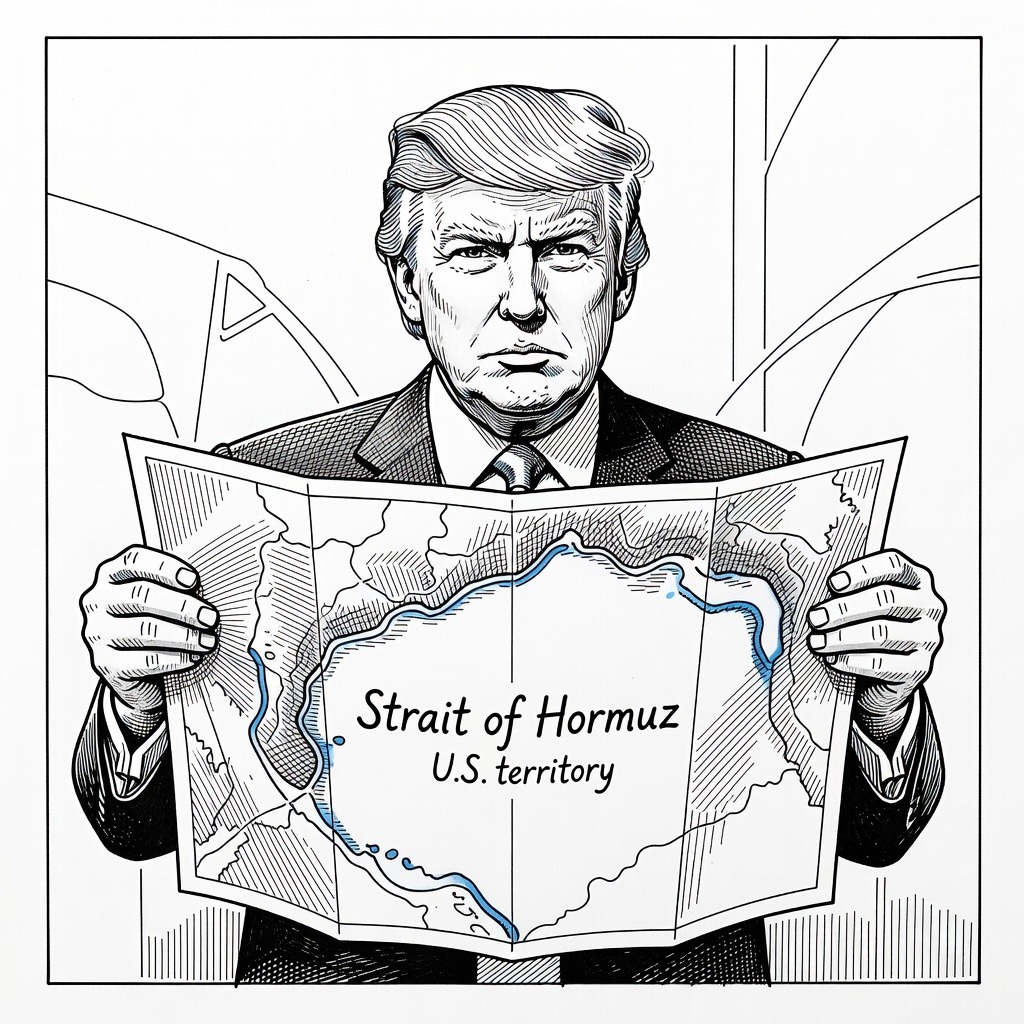
• De-escalating the Escalation Cycle The primary priority is minimizing human suffering and protecting international shipping corridors through adherence to international law and diplomatic mediation. The expiration of the 60-day negotiation window, followed immediately by the strike on the cargo vessel and a crew casualty, demonstrates how abandoning diplomatic tracks directly exposes civilians to physical harm. By refusing to extend the ceasefire and resorting to provocative rhetoric, leadership undermines the stability necessary to keep global supply chains functional and keep merchant mariners safe.
• Challenging Unilateral Territorial Claims Respect for national sovereignty and established maritime boundaries is essential to maintaining global order and preventing lawless aggression. Claiming the Strait of Hormuz as a U.S. territory and threatening to bomb Oman, a neutral neighbor whose Coast Guard actually assisted the damaged vessel's crew, represents a dangerous departure from international norms. Such empty posturing, as characterized by former Ambassador Marc Sievers, erodes diplomatic credibility and alienates critical regional partners whose cooperation is vital for any lasting peace.
• Dismantling the Blockade Catalyst Lasting security in critical waterways cannot be achieved through military pressure alone, but requires addressing the underlying economic and political grievances driving the conflict. Iran’s demands—lifting the blockade and oil embargo, releasing frozen assets, and halting military operations—must be engaged with constructively rather than dismissed out of hand. Resorting to threats of force only hardens the adversary’s resolve, as seen in the warnings from Iranian military officials, turning a resolvable trade dispute into a hot military conflict with severe global repercussions.
How it may affect me
As a U.S. reader:
• You may experience immediate disruptions in the availability and cost of goods due to the shutdown of global supply chains and vital energy pathways running through the Strait of Hormuz.
• American merchant mariners and maritime workers face heightened safety risks and physical danger from potential projectile strikes and targeted attacks on cargo vessels in the region.
• The risk of a wider military conflict could increase if the United States carries out threats of military force against neighboring countries like Oman or engages in direct operations to reopen the strait.
• A prolonged trade dispute and ongoing blockade could lead to long-term economic instability if key demands, such as lifting the oil embargo and releasing assets, remain unresolved.