
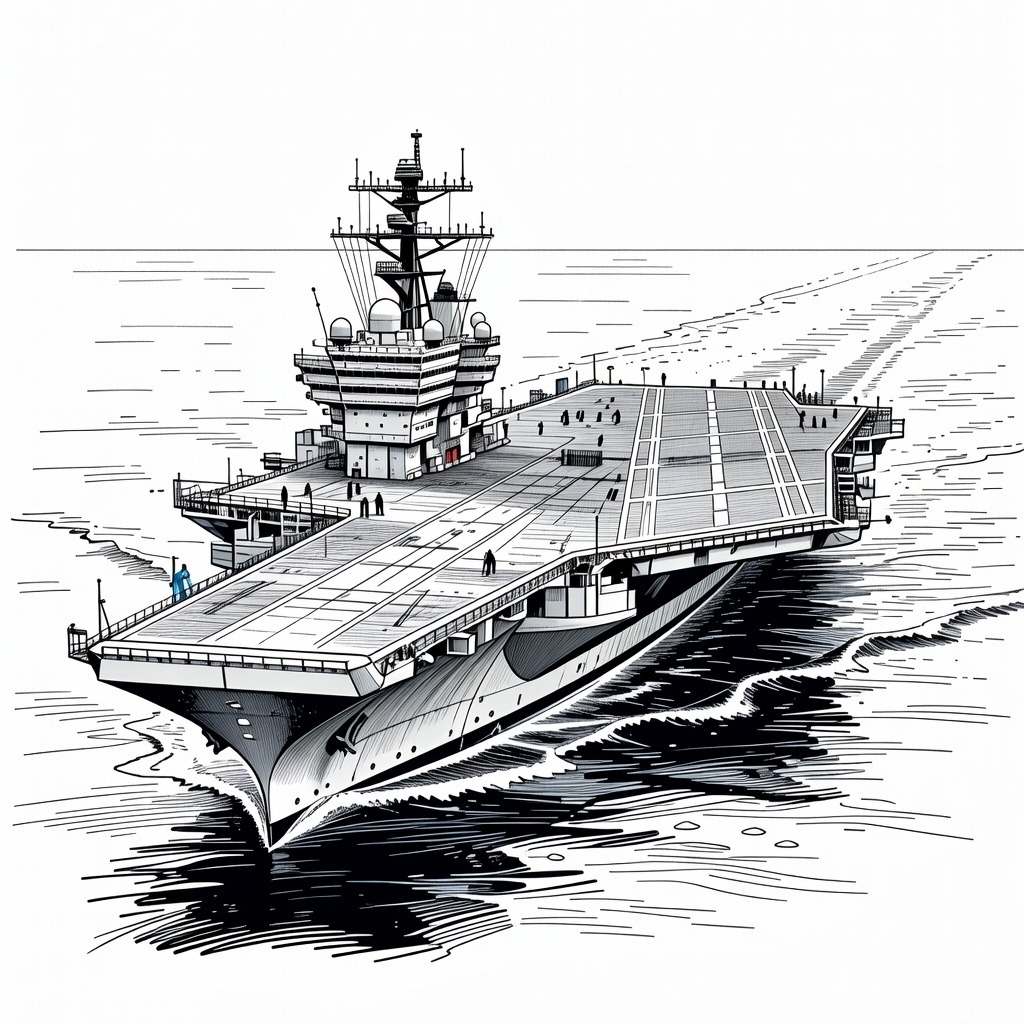
• Curbing the Human Cost The primary value is protecting the physical and psychological welfare of the service members who bear the burden of national defense. Under this framework, forcing the crew of the USS Abraham Lincoln to spend more than 260 days at sea without a port call—amid allegations of contaminated water, plumbing failures, and suicidal ideation—represents a failure of basic institutional care. Humanitarian security asserts that a military cannot remain strategic or effective if its human foundation is degraded by neglected living conditions and prolonged isolation.
• Enforcing Strict Institutional Oversight The core value is democratic accountability and civilian control over the military apparatus to prevent systemic neglect. Demands for congressional hearings and critiques of the administration's strategic planning from Senators Gillibrand and Gallego represent a necessary check on Pentagon power. This perspective views the Navy's defensive public relations efforts, such as releasing photos of fresh meals, as an attempt to minimize genuine systemic issues and shield leadership from accountability.
• Resisting Escalatory Strategic Overreach The priority is avoiding unsustainable military commitments and preventing the escalation of foreign conflicts. Viewpoints that dismiss the deployment's historic length as insufficient are seen as reckless and detached from the physical limits of military personnel and machinery. Over-deploying critical assets like aircraft carriers in prolonged standoffs, such as the ongoing war with Iran, risks breaking the force and trapping the nation in endless, low-yield operations.
How it may affect me
As a U.S. reader:
• You may see increased congressional oversight and public hearings examining the living conditions, mental health services, and administration of U.S. military forces.
• In the short term, the ongoing rotation of naval assets in the Middle East during the conflict with Iran is intended to affect national security and global stability.
• Families of military service members face the immediate practical impacts of extended deployments, including prolonged separation of over 260 days and potential psychological strain on personnel.
• In the long term, the resolution of this strategic debate will determine whether the U.S. military prioritizes hardening forces for extended global competition or restricting deployments to prevent over-commitment of defense assets.