
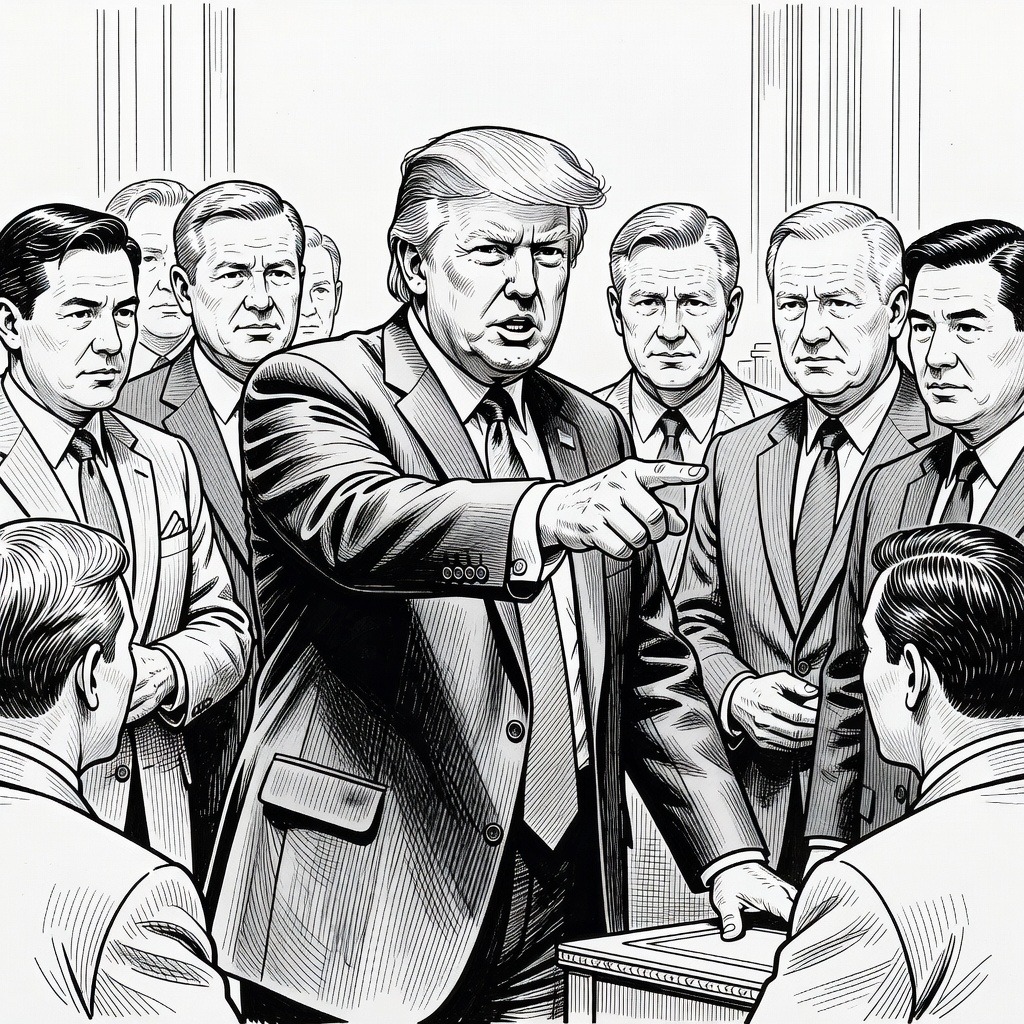
• De-escalating Provocative Military Footprints Prioritizing diplomatic de-escalation over confrontational posturing is essential to preventing catastrophic conflict on the Korean Peninsula. Massive maneuvers like the scheduled 11-day Ulchi Freedom Shield exercises are viewed by adversaries as rehearsals for war, which naturally fuels an escalatory spiral of threats and counter-threats. By scaling down the scope of these drills, the administration takes a necessary step toward defusing immediate tensions and opening critical political space for dialogue. This approach recognizes that reducing aggressive military footprints is a prerequisite for building lasting, peaceful security frameworks.
• De-prioritizing Militarized Security Paradigms Prioritizing human and economic security requires challenging the assumption that permanent military mobilization is the only path to stability. Joint military exercises involving 18,000 South Korean troops represent highly costly operations that redirect public resources toward perpetual war readiness. Acknowledging these maneuvers as expensive and provocative aligns with the goal of shifting international relations away from costly, militaristic standoffs. Reducing these active war rehearsals mitigates the systemic risks of accidental military engagement and limits the influence of a self-perpetuating defense establishment.
• Straining Cooperative Peace Alliances Prioritizing stable, rules-based international diplomacy requires consistent cooperation with democratic partners rather than erratic, unilateral policy shifts. Arbitrarily scaling down joint drills in response to personal grievances—such as South Korea's decision regarding Iran—undermines the mutual trust required for multilateral peace efforts. Relying on personal rapport with authoritarian leaders while ignoring institutional diplomatic channels creates a highly fragile security environment. Without structured, alliance-backed agreements, sudden unilateral changes risk isolating democratic partners and destabilizing the cooperative frameworks necessary for long-term regional peace.
How it may affect me
As a U.S. reader:
• You may see a short-term reduction in the spending of public resources on highly costly and expensive military operations.
• In the short term, the scaling down of active maneuvers may decrease the risk of accidental military engagement and lower immediate tensions on the Korean Peninsula.
• In the long term, you could face a more vulnerable national defense posture if reduced joint military readiness emboldens adversaries to continue missile testing and hostile behaviors.
• Over the long term, unilateral changes to military exercises may weaken mutual trust with key democratic allies, creating a more unstable and fragile international security environment.