
• Shielding the Most Vulnerable Humanitarian protection of marginalized populations must be the primary metric of any public system, a value starkly challenged by the death of at least 38 people and the displacement of 2,000 residents in the Nagekeo Regency. These facts demonstrate that natural disasters do not strike equitably; instead, they expose the deep vulnerabilities of underfunded regional hospitals that were forced to move patients and medical equipment outdoors. For this camp, protecting human life requires challenging the structural status quo to ensure that geographic isolation does not dictate survival rates during seismic crises.
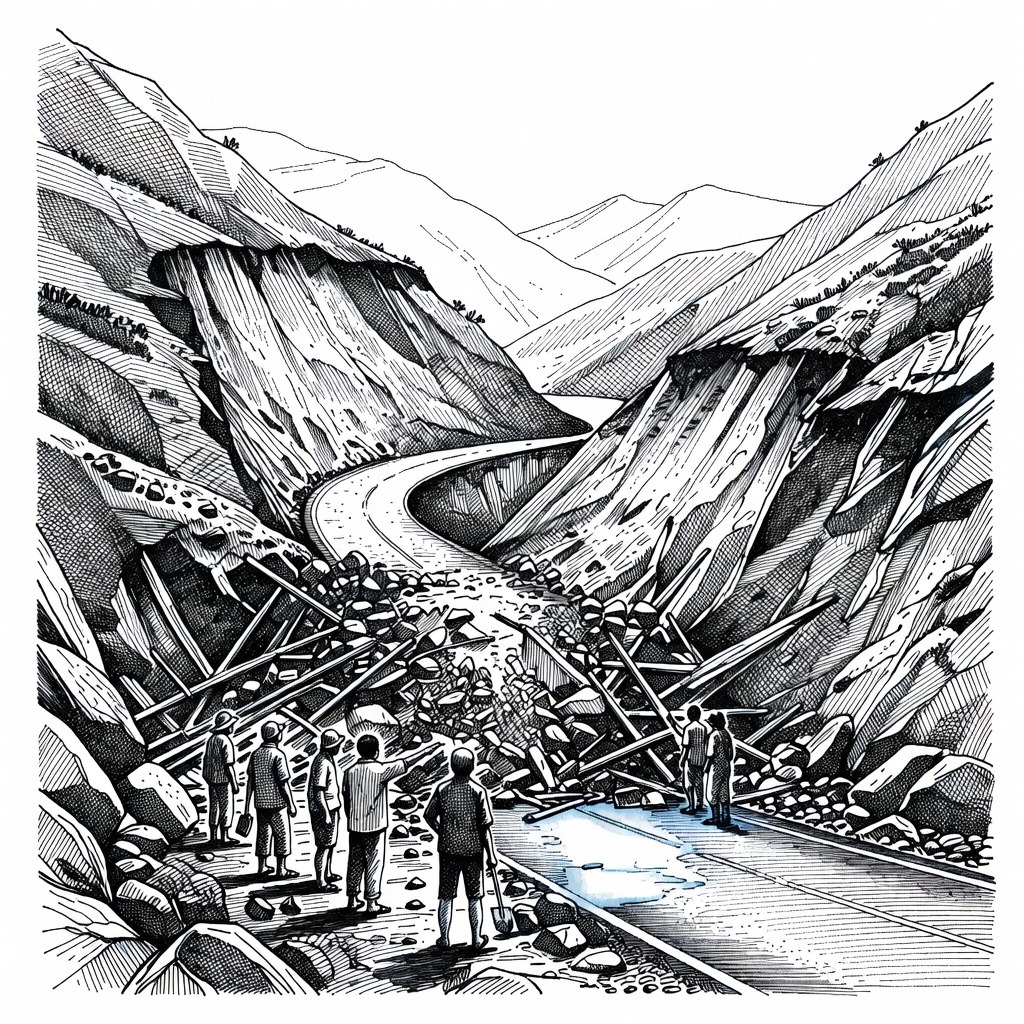
• Dismantling Fragile Regional Infrastructure Systemic accountability in public planning demands that rural infrastructure be built to withstand predictable geographic hazards. The immediate collapse of power grids, communication networks, and the physical blockage of the Trans-Flores highway highlight a historical failure of the state to equitably distribute developmental resources to outlying regions like Flores. This camp interprets these infrastructure failures not as unavoidable accidents, but as systemic oversights that directly hindered search and rescue teams trying to reach victims buried in mud in places like Reok.
• Compounding Long-Term Social Disruption Social equity is severely threatened when temporary disaster displacement transitions into permanent economic and social marginalization for vulnerable communities. The long-term risk of this disaster is that without targeted, state-led structural reform, the 2,000 evacuees in temporary shelters will face prolonged impoverishment and systemic neglect. This camp fears that a purely reactive response will fail to address the root causes of regional vulnerability, leaving Flores perpetually exposed to subsequent environmental shocks.
How it may affect me
As a U.S. reader:
• No significant public impact is expected for members of the general public in the United States based on the provided information regarding the earthquake in Indonesia.