
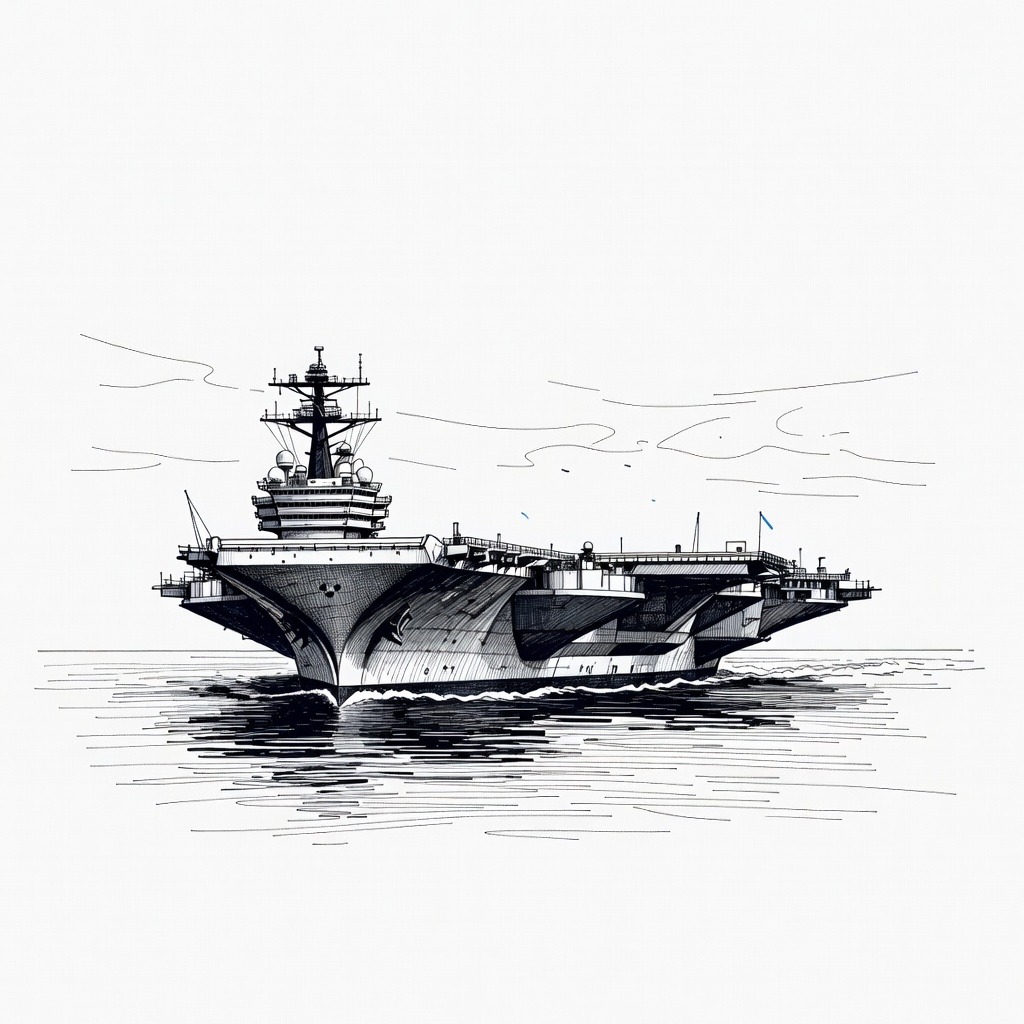
• Shielding the Human Cost Prioritizing human dignity and personnel welfare is essential for sustainable defense, making the reported food shortages, poor sanitation, and mental health challenges on the USS Abraham Lincoln a critical systemic failure. Demanding a Pentagon investigation is a necessary application of government accountability to protect vulnerable service members pushed to their limits by an exhausting 250-day deployment. Strategic overreach must not be subsidized by the physical and mental well-being of the crew under the guise of combat disruptions.
• Jeopardizing Peace for Prices Diplomatic engagement and international law must precede coercive military actions, meaning that threatening a physical blockade of Iranian ports and focusing on fuel prices risks triggering an all-out regional war. Coercive measures and aggressive naval postures bypass diplomatic avenues, escalating tensions rather than resolving the root causes of the Strait of Hormuz conflict. True security is built on cooperative de-escalation, whereas leveraging military blockades treats international stability as a tool for domestic economic convenience.
• Exposing Strategic Overextension Risks Over-relying on military force in one region inevitably creates critical security vulnerabilities elsewhere, as demonstrated by the temporary absence of an active U.S. aircraft carrier in the Pacific during the USS George Washington's transit. This structural deficit illustrates how aggressive regional containment strategies stretch defense resources thin and compromise global stability. Pursuing a militarized foreign policy instead of robust regional diplomacy leaves vital geopolitical theaters exposed to opportunistic aggression.
How it may affect me
As a U.S. reader:
• In the short term, you may see fluctuations in domestic fuel prices as the administration works to secure energy corridors and potentially implements economic blockades against Iranian ports.
• If you have family members serving in the Navy, they may experience deployments extending over 250 days, along with combat-related logistical disruptions to mail delivery and reported challenges with onboard living conditions.
• You could be affected by shifts in global security, including a temporary defense vulnerability in the Pacific region during the carrier transit, or the long-term risk of a wider regional conflict in the Middle East.