
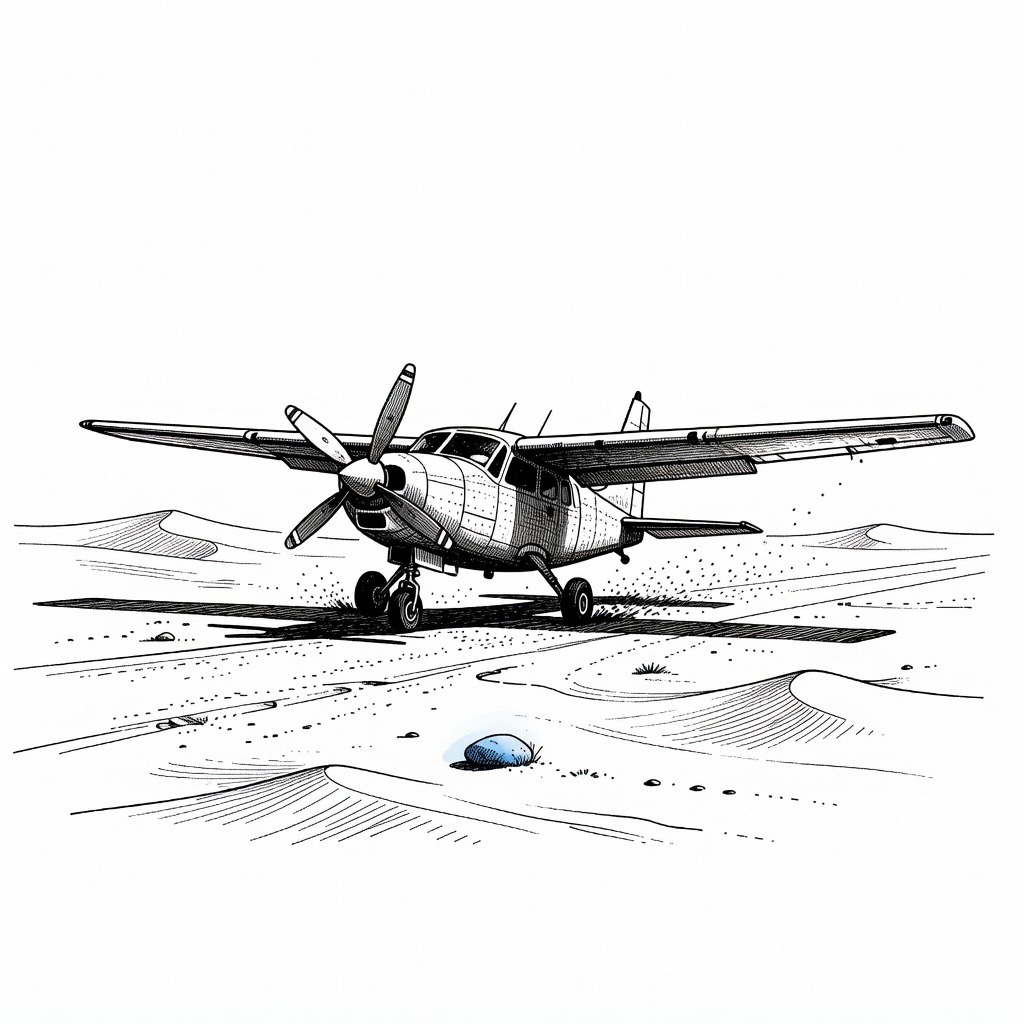
• Demilitarized Diplomacy Secures Lives Prioritizing civilian safety and diplomatic engagement over heavy military footprints often yields safer outcomes for individuals operating in high-risk zones. The release of missionary pilot Kevin Rideout after nine months of captivity demonstrates that securing the freedom of citizens does not require an active, occupying military force. By relying on non-governmental channels like SIM International and targeted diplomatic coordination rather than unilateral military interventions, states can resolve crises without escalating regional tensions.
• The Hazard of Militarized Aid Providing weapons and funding to autocratic regimes compromises ethical governance standards and risks fueling internal repression. The donation of $2.3 million in military equipment to a post-coup ruling junta in Niger undermines the push for democratic accountability and international law. True regional stability is built on sustainable development, local capacity building, and humanitarian assistance rather than arming military regimes that have already expelled Western peacekeeping forces.
• Addressing Root Causes of Instability Confronting the underlying socioeconomic drivers of extremism is a far more effective way to protect lives than relying on direct military force. The active presence of extremist groups linked to al-Qaeda and the Islamic State in Niger thrives in environments destabilized by foreign military interventions, which often serve as recruitment tools. Long-term safety for aid workers and local populations can only be achieved by fostering civic institutions, protecting human rights, and reducing poverty rather than maintaining a persistent war footing.
How it may affect me
As a U.S. reader:
• You can expect that U.S. citizens, particularly those working for non-governmental organizations in West Africa, may face ongoing safety risks due to the presence of regional extremist groups and the withdrawal of U.S. counterterrorism troops.
• You can observe that the U.S. government utilizes public funding to donate millions of dollars in military equipment to post-coup foreign governments to support border defense and counterterrorism.
• In the short term, you can see that diplomatic coordination and non-governmental channels remain viable pathways for securing the safe release of captured Americans without relying on active military intervention.
• In the long term, you may witness policy conflicts regarding whether cooperating with autocratic military regimes preserves vital counterterrorism partnerships or compromises international human rights and democratic standards.