
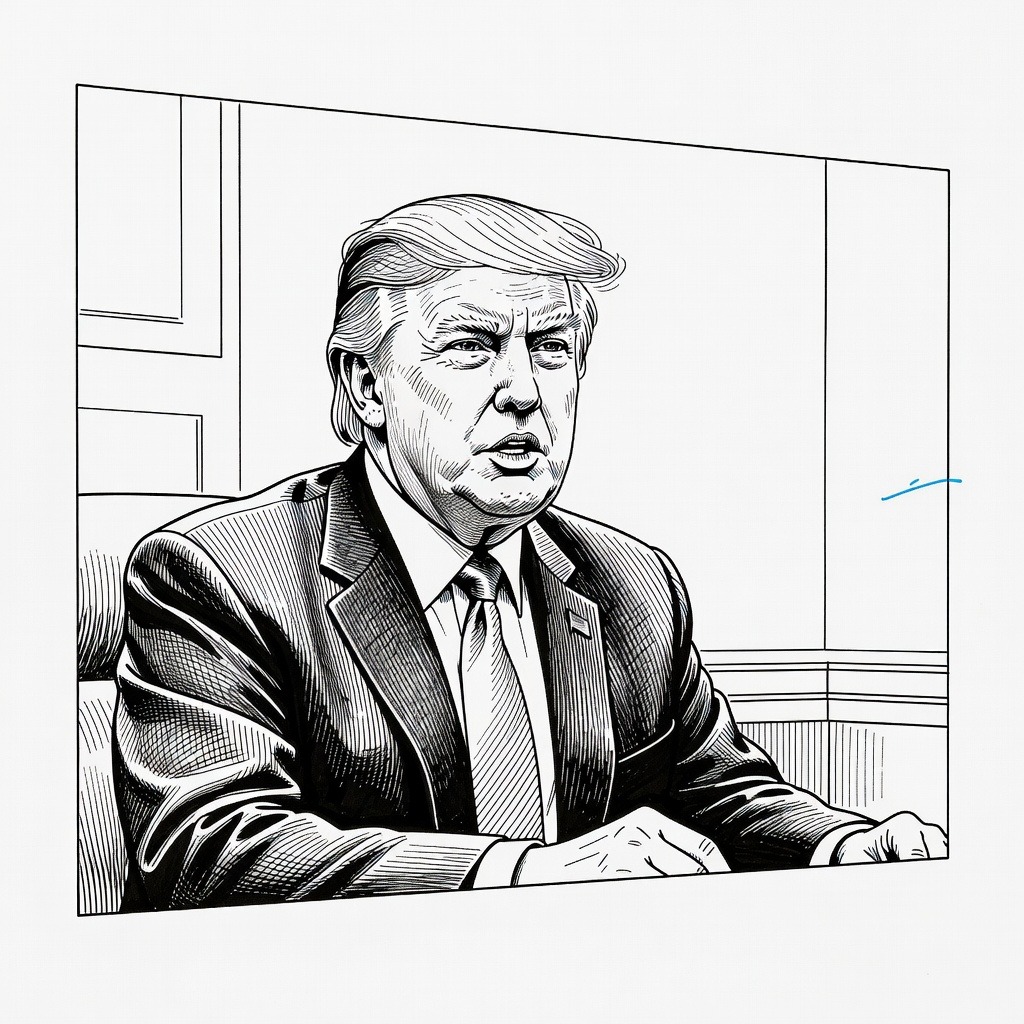
• Shield of Judicial Supremacy Protecting the rule of law requires absolute adherence to judicial boundaries, making the board's vote a highly questionable attempt to bypass Judge Christopher Cooper’s May 2026 ruling. By voting to alter the building's facade and name a plaza after Donald Trump, the board is actively seeking to circumvent the court's decree that only Congress has the authority to rename the Kennedy Center. Attempting to override judicial restrictions via administrative loopholes undermines the separation of powers and degrades the integrity of federal statutes.
• Safeguarding Democratic Transparency Democratic accountability relies on open, deliberate processes, which were severely compromised when this proposal was introduced at the end of a virtual meeting without prior written notice. Representative Joyce Beatty and her attorneys, Norm Eisen and Nathaniel Zelinsky, rightly expose this maneuver as a bad-faith effort to stifle debate and exclude opposition. Rushing major structural and naming decisions through sudden procedural moves damages the legitimacy of public boards and the institutions they govern.
• Gamble on Executive Aggrandizement Allowing an administration to plaster its name on public cultural monuments sets a dangerous precedent of prioritizing personal branding over institutional continuity. Reasserting Trump's name on the facade just months after a judicial order forced its removal in June threatens to turn a shared national space into a tool for political polarization. This camp fears that failing to check this behavior invites future administrations to rewrite public history and bypass legislative oversight at will.
How it may affect me
As a U.S. reader:
• Visitors and patrons will be unable to access or attend performances at the Washington, D.C., performing arts facility during its scheduled two-year closure for renovations.
• In the long term, the public will have access to a structurally restored facility with improved safety, including a repaired parking garage.
• Future visitors will see new text on the building facade attributing the restoration to Donald Trump and will be able to utilize a new outdoor plaza designated in his honor.
• The public may witness ongoing legal and political disputes over the facility, as the board's vote must be reported to a federal judge who previously ruled that only Congress can rename the center.