
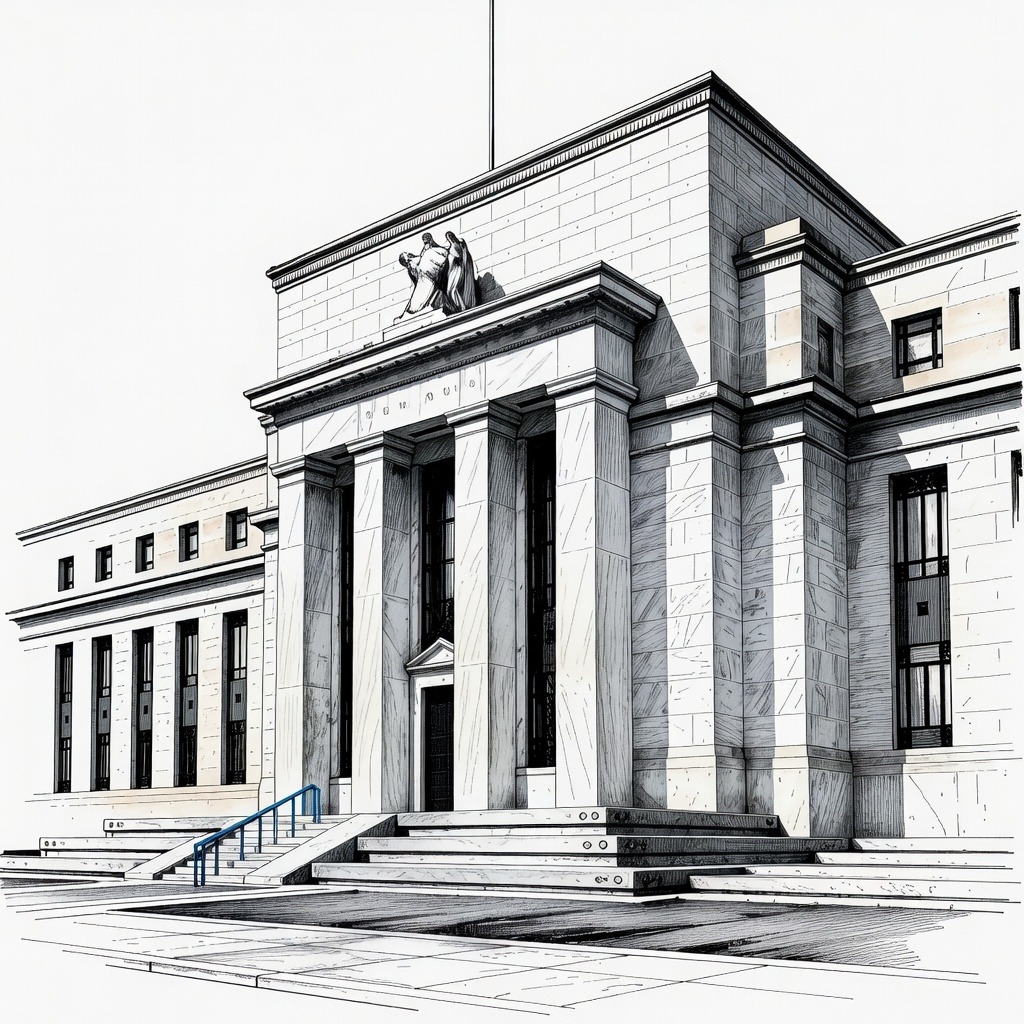
• Shielding Small-Scale Investors Protecting democratic access to market information is essential to preventing institutional exploitation of everyday citizens. Federal Reserve Chairman Kevin Warsh’s decision to shorten policy statements and eliminate forward guidance, paired with the Securities and Exchange Commission's proposal for biannual corporate reporting, creates a dangerous information gap. This reduction in transparency deprives retail traders of the predictable signals they need to compete on a level playing field, effectively tilting the market back in favor of high-resource institutional insiders.
• Challenging Technocratic Optimism Policymakers must prioritize immediate pocketbook protections over speculative economic theories that benefit corporate capital. Relying on Warsh’s assumption that artificial intelligence will eventually act as a disinflationary force ignores the real-time cost increases in electricity, chips, and software currently driving up prices. Minneapolis Fed President Neel Kashkari’s dissent in favor of a higher rate than the approved 3.5% to 3.75% range correctly identifies the need to protect consumers from these immediate, tech-sector-driven inflationary pressures.
• Guarding Against Speculative Volatility Ambiguity in central bank communication fosters economic instability and drives unproductive, defensive investment behaviors. As noted by market analysts like Eugenia Mykuliak, Warsh's unclear remarks have directly prompted investors to abandon equities for the safety of gold. When the central bank abdicates its responsibility to provide clear forward guidance, it triggers market fluctuations that threaten the long-term retirement portfolios and savings of working-class families.
How it may affect me
As a U.S. reader:
• Retail investors and small-scale traders may face an information gap and increased market volatility due to reduced Federal Reserve communication and proposed biannual corporate reporting.
• General consumers and retirement savers may experience stock market fluctuations, potentially prompting a defensive reallocation of personal savings from equities into gold.
• Households may continue to experience high prices for electricity, chips, and software if the Fed's benchmark rate fails to curb AI-driven inflation, though long-term costs could decrease if AI eventually acts as a disinflationary force.