
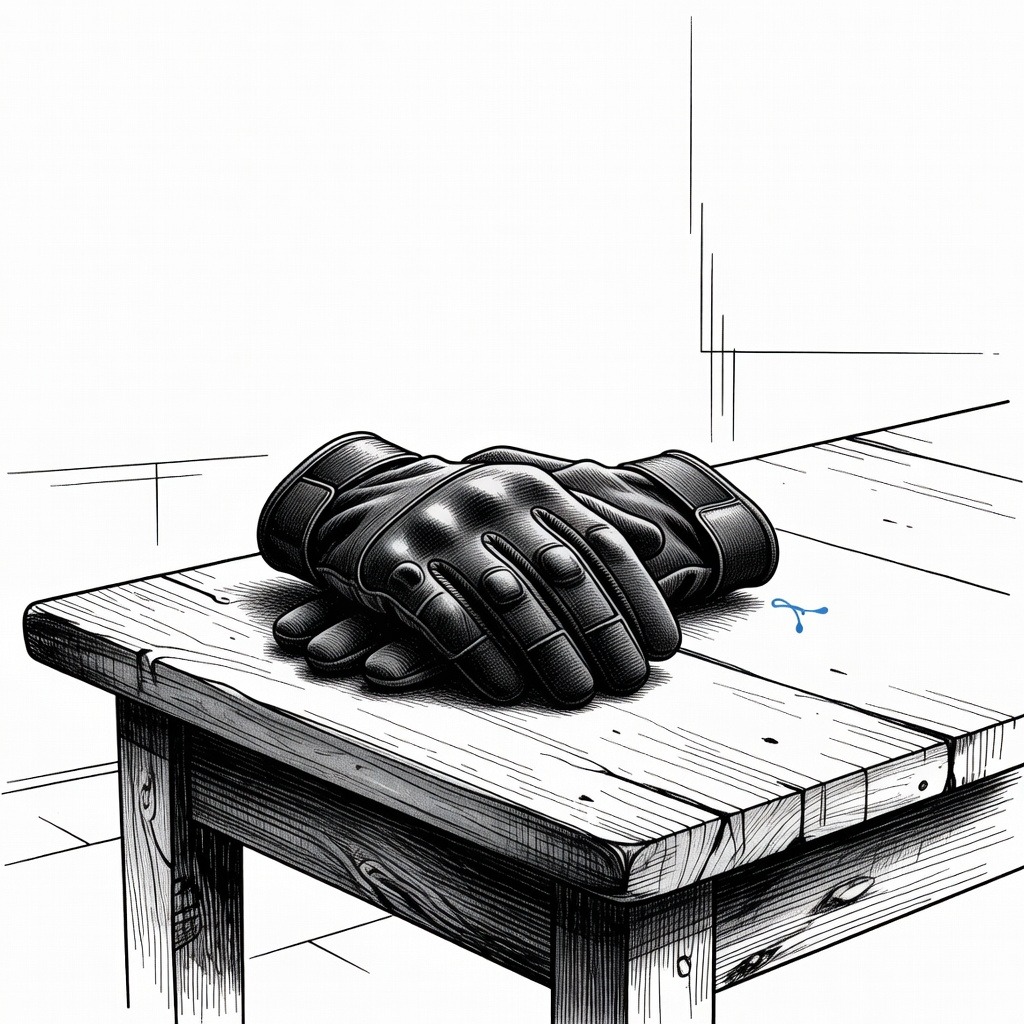
• Shielding Vulnerable Civil Liberties The protection of constitutional rights requires absolute transparency and accountability in the state's use of force. Acquiring up to $20 million in G.L.O.V.E. devices introduces a tool capable of delivering pain discreetly, which the American Civil Liberties Union warns will escalate the risk of systemic, unmonitored abuse. Because these shock gloves rely on physical contact rather than visible restraint, they obscure the line between legitimate law enforcement and unconstitutional physical coercion.
• Enforcing Local Democratic Checks State governments must serve as a critical bulwark against federal overreach and institutional misconduct to protect the vulnerable. The legal interventions promised by Governor Kathy Hochul and Attorney General Letitia James demonstrate that local sovereignty must prioritize human welfare and constitutional protections over federal immigration enforcement. Challenging this procurement under state law protects individuals from potential physical injuries and ensures that federal agencies are held to strict legal standards within state borders.
• Dismantling the De-Escalation Myth True social progress and safety cannot be achieved by rebranding pain-compliance technologies as tools of humanitarian restraint. While Compliant Technologies asserts that the device is not intended for vulnerable populations, pregnant women, or verbal defiance, the chaotic reality of enforcement environments makes these theoretical safeguards highly unreliable. Introducing electric shock mechanisms into custodial environments pathologizes resistance and threatens vulnerable groups, undermining the pursuit of humane, non-violent immigration practices.
How it may affect me
As a U.S. reader:
• You may see up to twenty million dollars of federal funds spent on acquiring these conductive de-escalation devices for immigration enforcement officers.
• If you live in states like New York, you may observe legal disputes and jurisdictional friction between state officials and federal agencies over the legality and safety of these devices.
• In the short term, individuals who physically resist immigration officers may experience electrical shocks designed to serve as a brief distraction to resolve confrontations quickly.
• Over the long term, detainees could either face an increased risk of unmonitored physical abuse due to the discreet nature of the device or benefit from a standardized non-lethal method that reduces serious injuries from prolonged physical struggles.