
• Shielding Democratic Norms The Reformer prioritizes democratic accountability and the preservation of constitutional limits on executive power, viewing Donald Trump’s comments about seeking a third term as a dangerous challenge to established norms. By expressing a desire to run again and highlighting crowd encouragement at the Ohio youth athletic tournament, the president signals a willingness to undermine the 22nd Amendment's two-term limit. This perspective views such rhetoric not as harmless banter, but as a deliberate attempt to normalize authoritarian ambitions and erode public commitment to the peaceful transfer of power.
• Enforcing Legal Guardrails This camp values rigorous constitutional checks and balances, utilizing legal scholarship to preemptively block attempts to bypass democratic boundaries. They focus on the proposed 2025 vice-presidential succession strategy—where JD Vance would resign to allow Trump to assume the presidency—as an existential threat to the rule of law. Drawing on structural interpretations like those of professor Deborah Pearlstein, they emphasize that the 12th Amendment explicitly prohibits constitutionally ineligible individuals from serving as vice president. For the Reformer, highlighting these legal barriers is essential to protecting the system against bad-faith maneuvers designed to exploit constitutional gray areas.
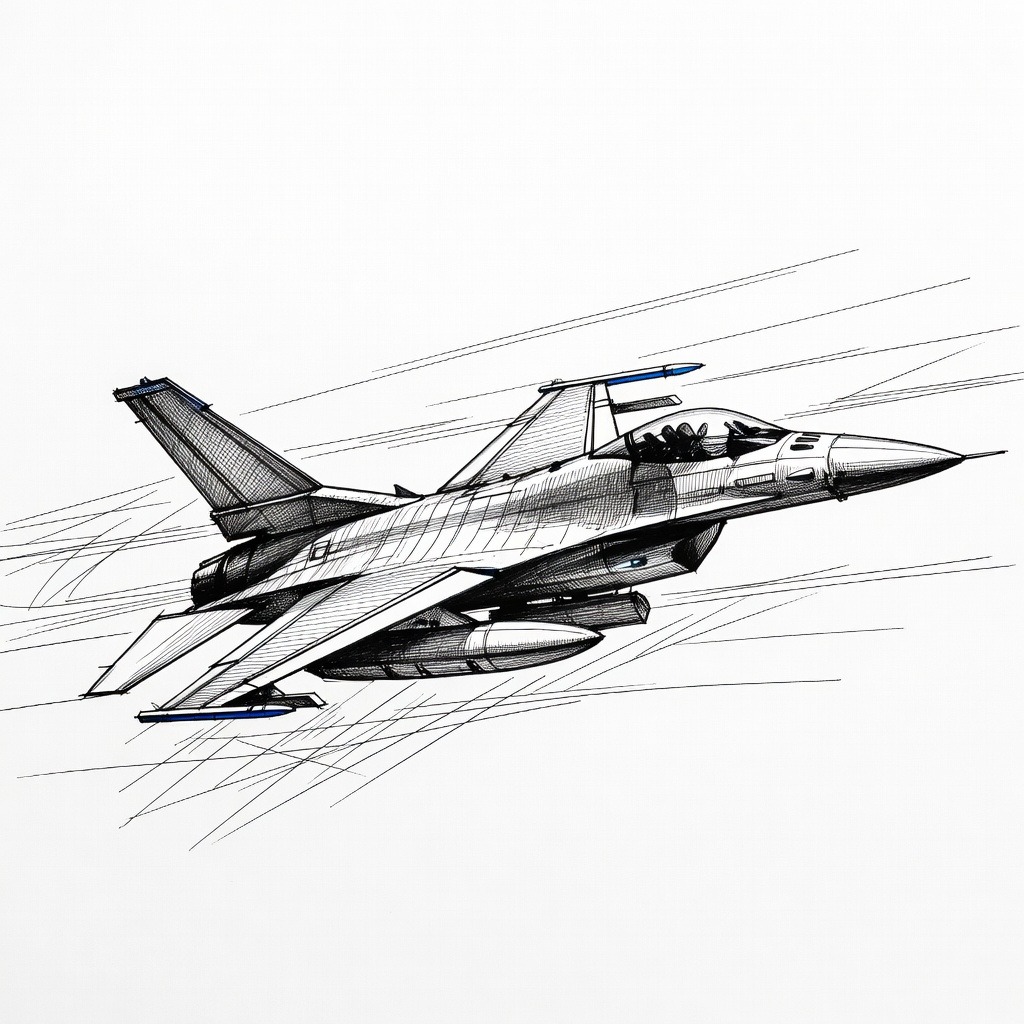
• Sustaining Public Safety Risks This perspective interprets repeated airspace violations, such as the military intercepts in Ohio and New Jersey, as symptoms of the escalating domestic friction surrounding high-profile political figures. While recognizing the necessity of defense, they worry about the normalization of military force, such as F-16 jets deploying flares over civilian areas and youth sporting events, to manage executive security. The long-term risk they fear is that the continuous disruption of civilian spaces and the frequent deployment of tactical military assets will gradually desensitize the public to domestic militarization and compromise civil liberties.
How it may affect me
As a U.S. reader:
• Private pilots and civil aviation operators face strict flight restrictions and the risk of interceptive actions by military jets, including the deployment of signaling flares, when flying near temporary restricted zones during presidential visits.
• Local communities hosting high-profile political events may experience immediate disruptions and face the long-term potential of becoming desensitized to domestic military operations in civilian spaces.
• Citizens can expect ongoing public and legal debates regarding the strictness of the 12th and 22nd Amendments and whether unconventional political strategies can legally bypass presidential term limits.
• The public will navigate conflicting interpretations of political rhetoric, which may either diminish trust in democratic institutions through fears of executive overreach or be dismissed as standard political communication that does not threaten actual governance.