
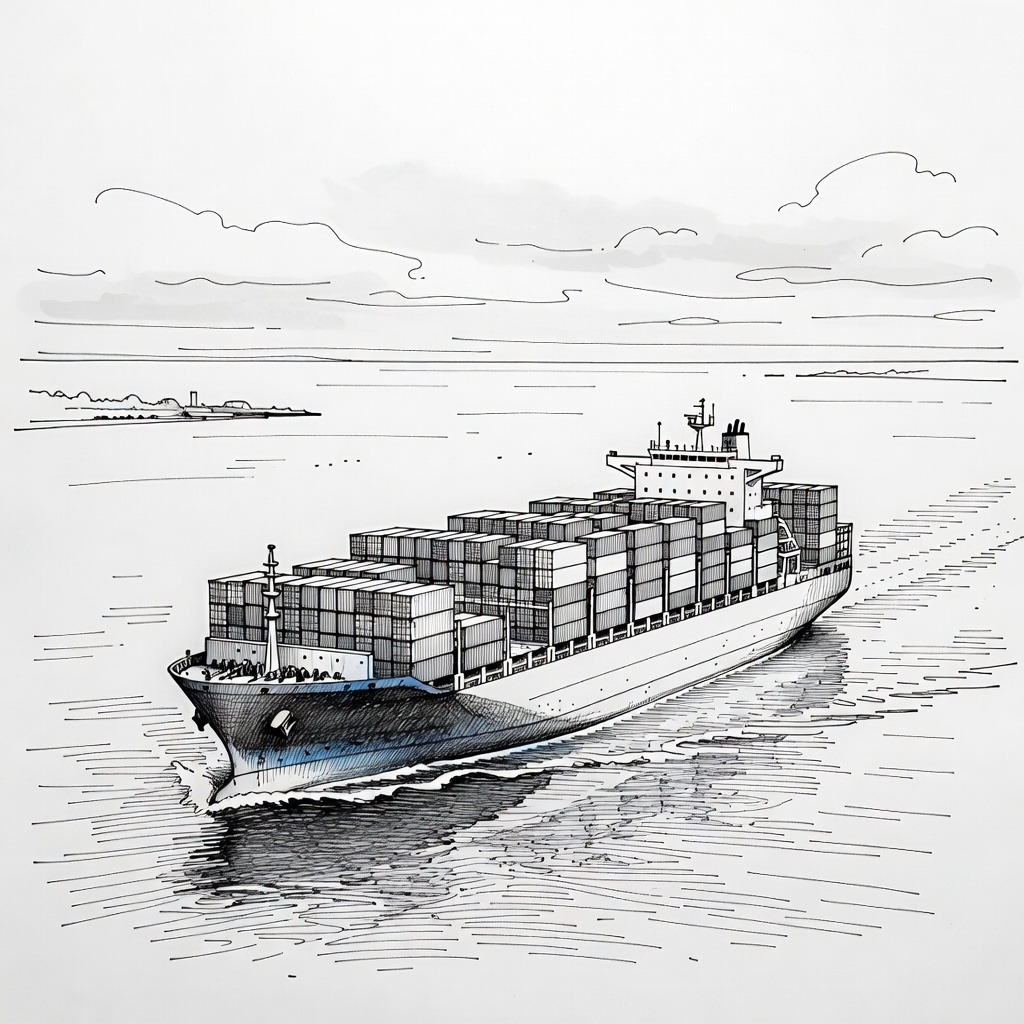
• Fueling the Escalation Cycle The use of military force as a primary tool of statecraft inevitably exacerbates regional conflict and delays peaceful resolutions. The U.S. Navy helicopter strike on the Panama-flagged container ship *Vela Nova* in the Gulf of Oman represents a dangerous military escalation under the guise of blockade enforcement. This aggressive approach risks additional casualties and further hardens the diplomatic impasse, as evidenced by Tehran's refusal to extend ceasefire talks and accusations of U.S. treaty violations. Rather than deterring violence, kinetic interventions jeopardize civilian seafarers and close the door on delicate diplomatic pathways.
• Prioritizing Diplomatic Engagement A sustainable security framework can only be achieved through mutual compromise and diplomatic negotiations, rather than unilateral demands and military pressure. While Pakistan's Defense Minister, Khawaja Asif, indicates that the United States and Iran are nearing an arrangement, rigid stances like President Trump's insistence on Iranian compensation stymie real progress. Lasting peace in the region requires addressing root political grievances, such as Tehran's demands for sanctions relief, troop withdrawals, and reparations, to safely reopen critical waterways. Relying on military blockades and armed strikes only delays the political settlements required to protect human lives.
• Assessing the Human Toll The primary measure of any security policy must be the protection of human life and civilian infrastructure from the ravages of conflict. The tragic loss of six lives on the cargo ship *Tihamah*, including Pakistani and Indonesian crew members, highlights the unacceptable human cost of treating commercial shipping lanes as active battlezones. Furthermore, the resulting economic friction—evidenced by the dramatic drop in Strait of Hormuz daily transits from a pre-war average of 130 to just eight vessels—threatens global stability by inflating energy costs. These compounding crises prove that military-first strategies fail to protect vulnerable civilian workers and instead trigger widespread economic pain.
How it may affect me
As a U.S. reader:
• You may experience higher gasoline and energy costs in the short term due to U.S. benchmark crude oil prices rising to around 83.50 dollars per barrel.
• You could face broader economic impacts and product availability issues as maritime shipping through key global trade routes like the Strait of Hormuz declines from 130 daily transits to a low of eight.
• You may see persistent or increased involvement of U.S. military personnel and resources abroad as the U.S. Navy continues enforcing blockades and conducting military strikes in the region.
• You might experience long-term economic volatility as the International Energy Agency slashes its global oil demand forecast by 1.6 million barrels per day in response to the shipping slowdown.