
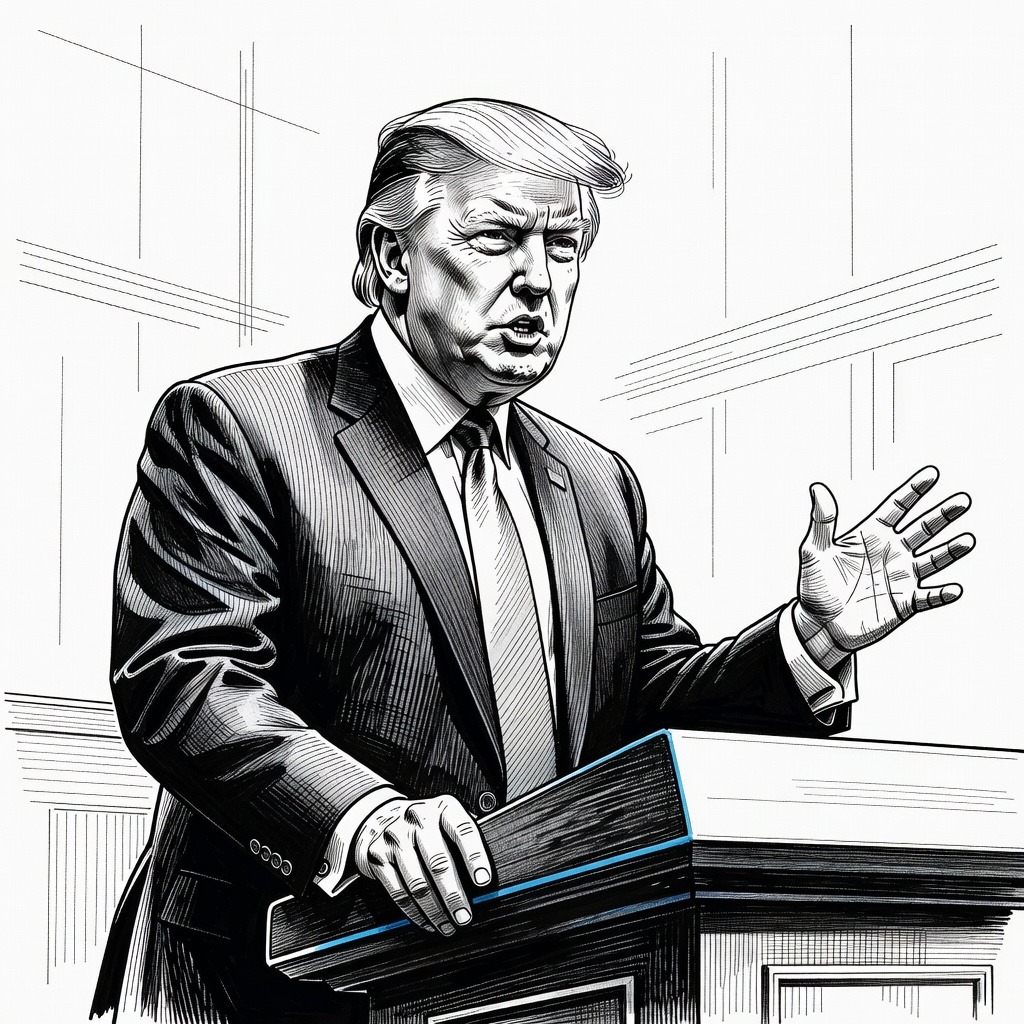
• Championing Multilateral Diplomatic De-escalation Humanitarian diplomacy prioritizes peaceful negotiation, international cooperation, and regional stability over unilateral military posturing. The mediation efforts brokered by Pakistan, Oman, and Qatar—with Pakistan's Interior Minister Mohsin Raza Naqvi traveling to Tehran—demonstrate that inclusive dialogue is the only viable path to resolve deep-seated conflicts. Relying on multilateral mediation addresses the root causes of regional tension and prevents a broader, catastrophic escalation that would devastate civilian populations.
• Dismantling Harmful Economic Coercion True peace requires addressing the systemic blockades, economic sanctions, and frozen assets that harm ordinary citizens. This perspective views Iranian Supreme National Security Council Secretary Mohammad Bagher Zolghadr's demands to lift sanctions and release frozen assets, alongside Foreign Minister Abbas Araqchi’s search for alternative shipping routes with Oman, as a push toward economic normalization. Demanding half a century of reparations only deepens diplomatic gridlock and delays the relief of populations caught in the crossfire of geopolitical standoffs.
• Avoiding Catastrophic Regional Escalation Unilateral military blockades and uncompromising rhetoric pose severe risks of miscalculation and unchecked violence. Trump’s claim of an "infallible blockade" by the U.S. Navy in the strategic Strait of Hormuz, coupled with ongoing military strikes in Yemen, southern Lebanon, and near the Bab el-Mandeb Strait, threatens to ignite a wider war. Without a commitment to international law and de-escalation, militarized standoffs will inevitably lead to shipping disruptions and greater loss of life.
How it may affect me
As a U.S. reader:
• Families of U.S. combat casualties and USS Cole bombing victims may receive financial compensation if the administration succeeds in securing reparations from Iran.
• Consumers could experience disruptions in global trade and shipping due to the ongoing closure of the Strait of Hormuz and missile attacks on commercial vessels.
• U.S. service members remain exposed to active security risks while the U.S. Navy maintains its blockade and continues regional military operations.
• The public will see either long-term regional stabilization or escalating conflict depending on the success of diplomatic mediation by Pakistan, Oman, and Qatar.