
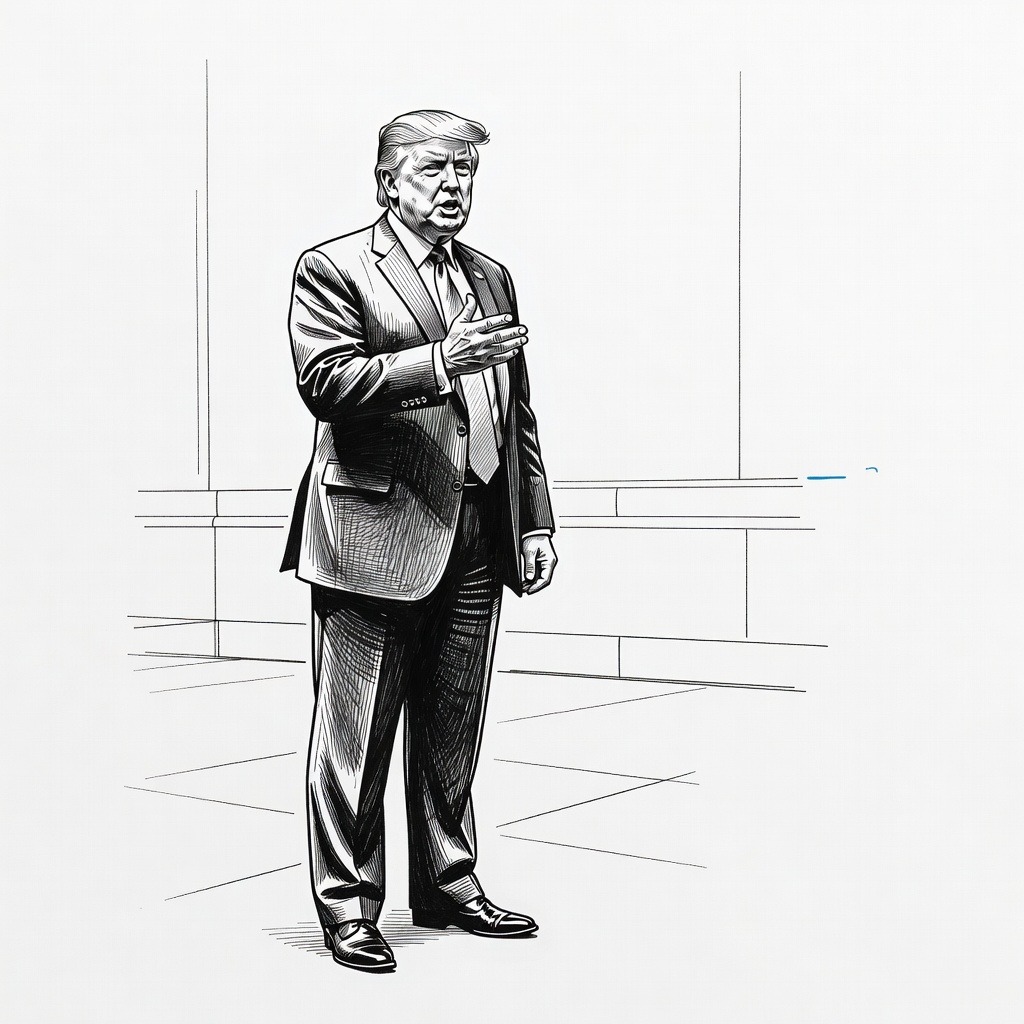
• Shielding Citizens from Prosecutorial Overreach The fundamental priority of this camp is protecting individual civil liberties from the coercive power of the state. In this case, the pursuit of felony destruction of property charges against David Hearn, despite defense photographs proving the Lincoln Memorial Reflecting Pool was already damaged, demonstrates how easily the justice system can target individuals without rigorous verification. Seeking a dismissal with prejudice, as Hearn's legal team is doing, is a necessary shield to prevent ongoing state harassment and permanently close a flawed case.
• Dethroning Unsubstantiated Executive Narratives Government accountability requires that public accusations by the executive branch be backed by verifiable evidence. President Trump's insistence on Hearn's guilt, despite acknowledging a lack of video proof and failing to release his claimed photographic evidence, reveals how political power can be weaponized to damage a citizen's reputation. Challenging these unproven assertions is vital to preventing the normalization of executive-led public trials that bypass established legal standards.
• Exposing Corporate and Institutional Misdirection Systemic accountability means holding powerful contractors and institutions responsible rather than scapegoating vulnerable individuals. Because records indicate the pool's peeling lining was actually caused by a flawed contractor installation rather than vandalism, the initial prosecution represents a failure of institutional self-examination. Pursuing criminal charges in this context serves to deflect attention away from public administrative failures and costly contractor errors onto an innocent bystander.
How it may affect me
As a U.S. reader:
• Visitors to national monuments may face federal scrutiny or prosecution for interacting with damaged structures, even if done out of curiosity.
• The legal outcome regarding dismissal with or without prejudice determines whether accused individuals can achieve permanent closure or face the risk of future prosecution by federal authorities.
• Evidence pointing to faulty contractor work rather than vandalism suggests that public infrastructure issues may be addressed through corporate accountability rather than individual criminal charges.