
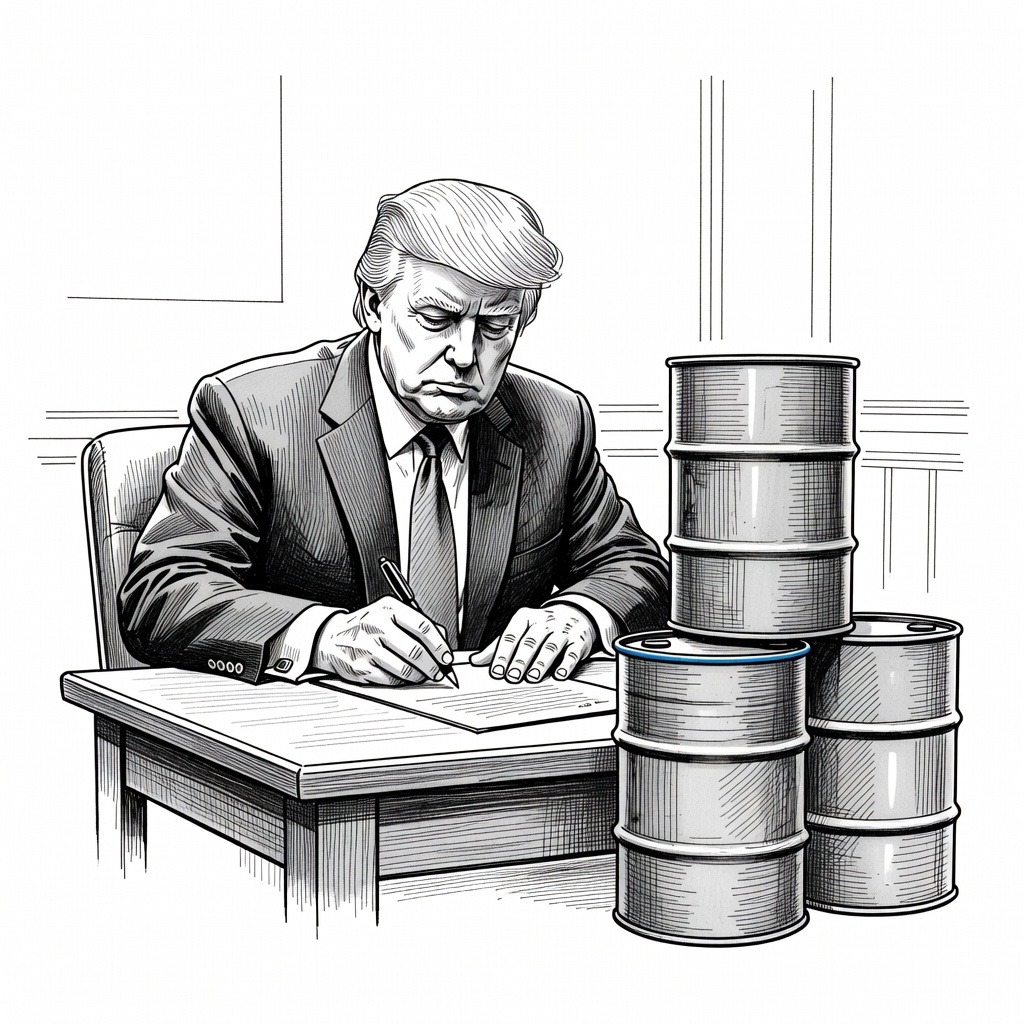
• Shielding Populations From Conflict Shocks Prioritizing the defense of vulnerable citizens from the immediate economic shocks of global conflicts is the primary moral duty of strategic reserves. Utilizing 180 million barrels in 2022 during the Ukraine conflict and the subsequent releases to counter the Strait of Hormuz blockade directly buffers everyday consumers from severe energy poverty. While these drawdowns deplete reserves to 298.7 million barrels, prioritizing short-term humanitarian relief during active global crises is a necessary trade-off to prevent immediate widespread economic devastation.
• Halting Mechanical Strain and Overuse Preserving physical infrastructure and ensuring ecological safety is paramount to long-term resource stewardship. Repeated, unplanned drawdowns—such as the 180-million-barrel "stress test" in 2022 and the current 172-million-barrel depletion—accelerate the physical deterioration of the reserve's equipment, wells, and underground caverns. With the Government Accountability Office (GAO) warning that 25 percent of the stockpile is already unavailable due to structural issues, continuing to treat the reserve as an active geopolitical lever threatens a catastrophic failure of the remaining physical systems.
• Challenging Military-First Crisis Management Relying on rapid-fire energy depletion to offset the fallout of military actions exposes the systemic flaws of aggressive foreign policy. Depleting the reserve below the 300-million-barrel mark to offset supply disruptions from the February 28 strikes on Iran demonstrates how kinetic military actions create unsustainable domestic resource costs. True security is built on diplomatic de-escalation rather than launching military strikes and then draining finite, deteriorating reserves to mask the resulting international supply chain chaos.
How it may affect me
As a U.S. reader:
• You receive short-term relief from sudden energy price spikes and supply chain disruptions because federal oil releases help shield the public from the economic shocks of global conflicts.
• You face potential long-term energy insecurity as physical infrastructure decay, construction, and cavern issues have left over 25 percent of the current oil stockpile completely unavailable for withdrawal.
• You may experience a reduced government capacity to buffer future fuel crises because repeated drawdowns have depleted the reserve to historic lows and accelerated the physical wear on essential extraction equipment.