
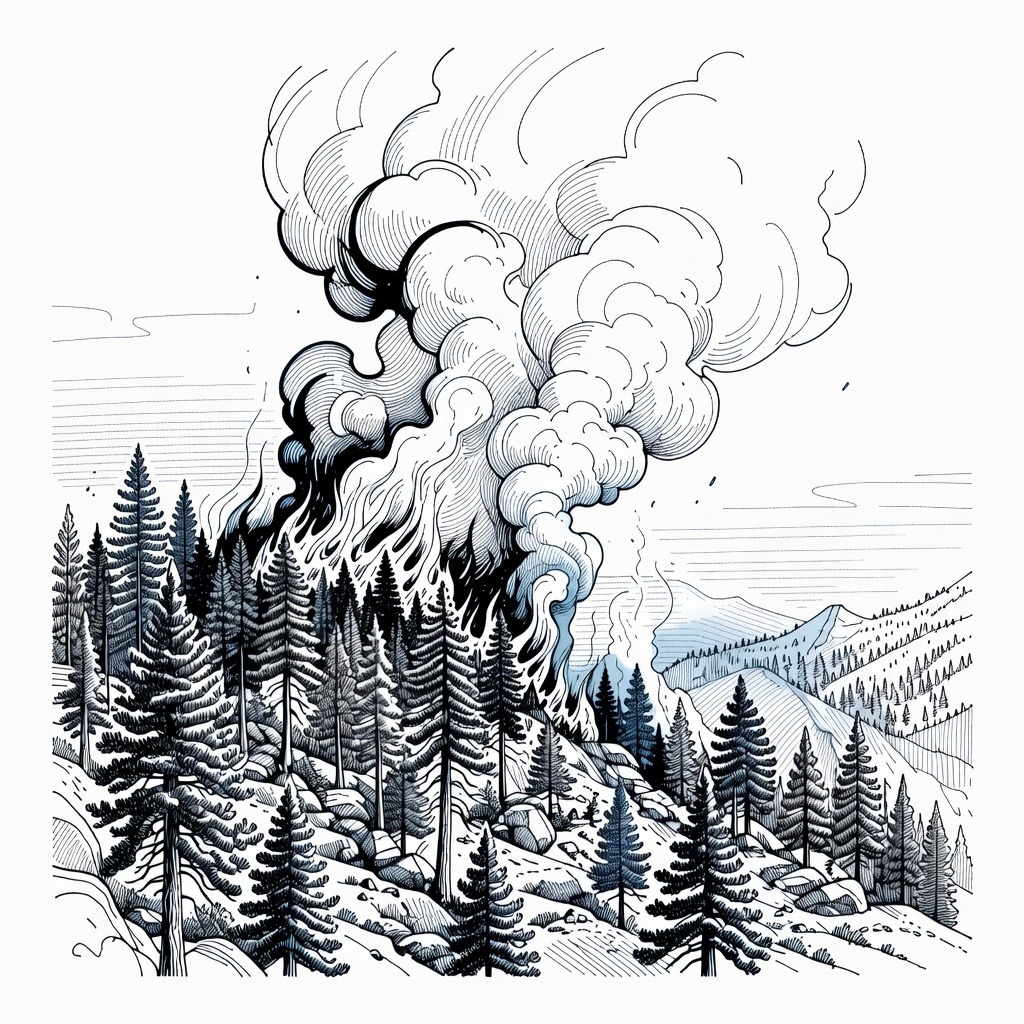
• Catalyze Systemic Climate Mobilization The unprecedented scale of these wildfires—fueled by an unusually warm and dry winter that left Oregon's Wrights Spring Fire at 0% containment and sparked over 100 active fires in British Columbia—proves that traditional crisis management is no longer sufficient. This perspective views these recurring ecological disasters as a clear mandate for aggressive, preventative climate action and systemic regulatory reform. Relying solely on emergency declarations and reactive suppression efforts fails to address the root environmental degradation driving these increasingly volatile fire seasons.
• Shield Displaced and Vulnerable Communities With massive evacuations displacing over 20,000 people near Summerland and forcing 60,000 residents from their homes in Spokane, the primary role of the state must be to guarantee the safety and long-term recovery of displaced populations. The destruction of nearly 1,000 structures in Washington highlights the urgent need for robust social safety nets and government-led relocation assistance to protect citizens from sudden homelessness and economic ruin. A successful response is measured not just by physical containment of flames, but by how comprehensively the government shields vulnerable communities from systemic disruption.
• Reassess High-Risk Labor Protocols The tragic deaths of two helicopter pilots during the Widemouth 2 Fire in Utah and bulldozer operator Jason Ensign in Oregon underscore the unsustainable human cost of modern firefighting operations. This camp argues that putting emergency personnel in high-risk environments under persistent high temperatures and strong winds requires a structural overhaul of labor protections and hazard protocols. Rather than relying on heroic individual sacrifices to combat out-of-control blazes, the state must prioritize worker safety through advanced technology and proactive hazard reduction.
How it may affect me
As a U.S. reader:
• Residents in western states face short-term risks of sudden evacuation and the loss of homes and property as active wildfires continue to spread rapidly.
• Citizens in fire-prone regions may have to depend on localized emergency services and regional law enforcement to execute safety protocols and rescue operations during active crises.
• Property owners may experience long-term changes in local land management, including the implementation of defensible space zoning, controlled burns, and infrastructure hardening.
• Displaced individuals and affected communities may see shifts in government-provided social safety nets and relocation assistance to manage the long-term economic impacts of wildfire damage.
• Firefighters and emergency personnel may see structural changes to their workplace safety, including revised labor protocols, increased hazard protections, and the introduction of advanced technologies.