
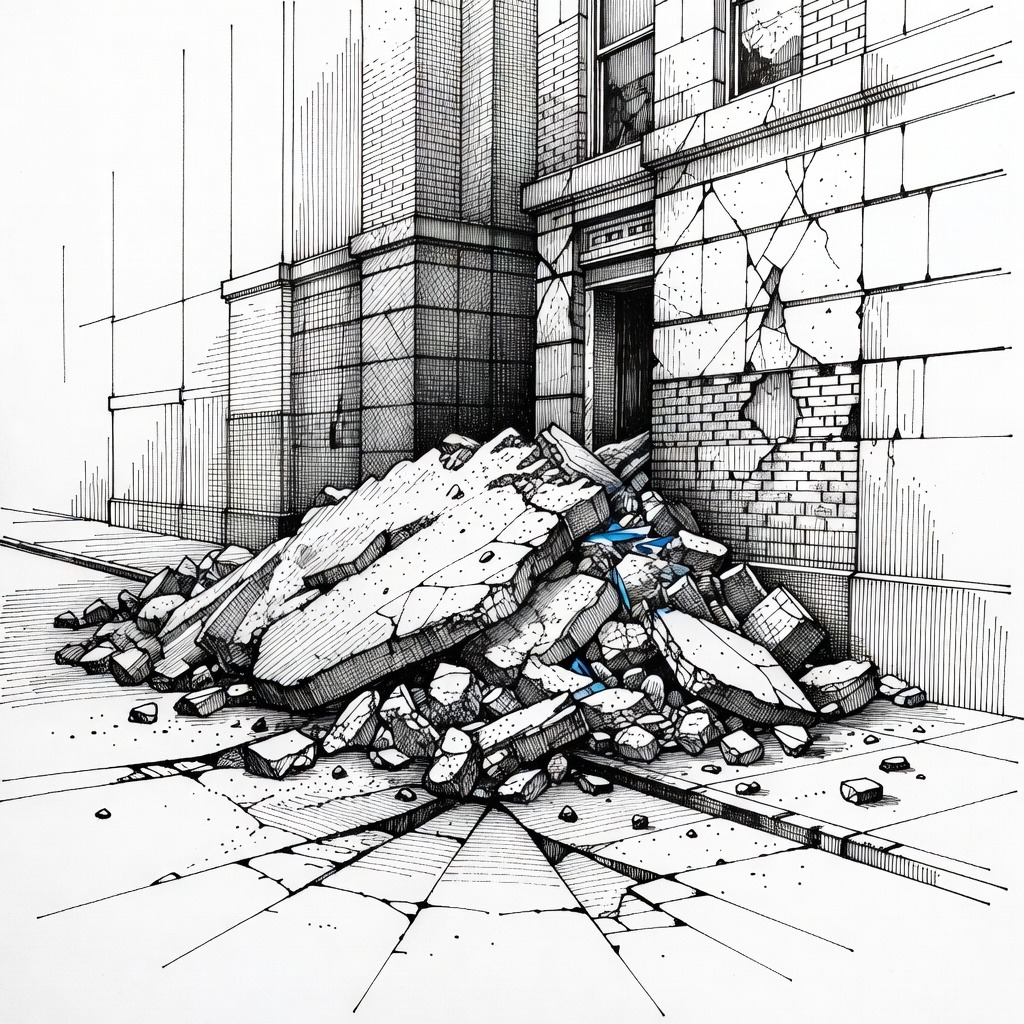
• Expose Regional Infrastructure Divides Prioritizes social equity and the protection of vulnerable populations by contrasting the devastating impact in peripheral regions like Chocó and Cali with the complete lack of structural damage in the capital city of Bogotá. The fact that 20 to 25 buildings collapsed in Cali and severe damage occurred in Quibdó highlights how systemic underinvestment leaves historically marginalized communities exposed to natural disasters. From this perspective, the disaster is a failure of equitable development, revealing a state that protects its elite core while leaving peripheral citizens to bear the lethal brunt of tectonic shocks.
• Challenge Institutional Information Failures Prioritizes government accountability and human dignity by scrutinizing the widely fluctuating official death toll, which ranged from 51 to 111 fatalities. This lack of data precision suggests an inadequate state apparatus that is unable to quickly account for its citizens in rural and provincial zones like Pereira and Manizales during a crisis. To the reformer, this statistical gap is not just a logistical hurdle but a systemic failure to value individual lives, emphasizing the need for decentralized, citizen-centric emergency reporting over top-down bureaucratic control.
• Resist Centralized Power Grabs Prioritizes civil liberties and local autonomy by warning against the long-term political risks of President Abelardo de la Espriella's national disaster declaration and unified command post. While presented as a relief mechanism, centralized emergency declarations often serve to consolidate executive power and marginalize local leaders, such as Chocó Governor Nubia Carolina Córdoba-Curi. The primary risk is that state-level recovery efforts will prioritize restoring elite-driven commercial networks and central government control rather than empowering local communities to rebuild on their own terms.
How it may affect me
As a U.S. reader:
• You may experience immediate travel disruptions if you are planning to fly into or out of western Colombia, as flight operations are suspended at regional airports such as Cali, Pereira, and Manizales for structural safety inspections.
• You may see federal emergency response resources or financial aid allocated to Colombia, as U.S. Secretary of State Marco Rubio announced the administration is ready to provide support.
• You could encounter significant delays in receiving reliable updates about the welfare of friends, family, or business contacts in rural areas of Colombia due to fluctuating official reports and localized communication challenges.