
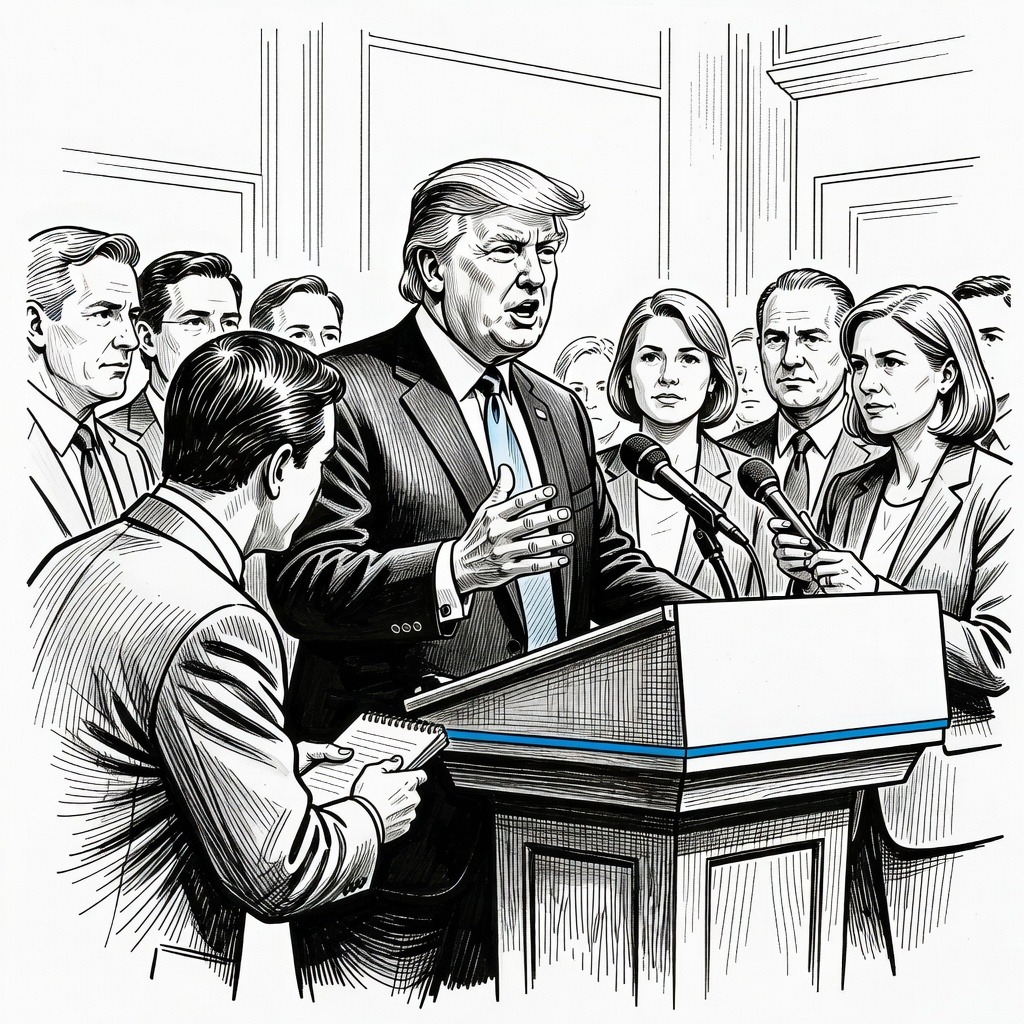
• Dismantling the Blockade Cycle Prioritizing human security and economic stability means viewing the U.S. naval blockade and sanctions as counterproductive measures that fuel regional distress rather than resolving conflict. The ongoing closure of the Strait of Hormuz and the resulting spike in global oil prices demonstrate how aggressive containment strategies harm global consumers and local populations alike. Instead of forcing diplomatic progress, coercive economic pressure has only hardened Iran's resolve, leading to a breakdown in direct communication and demands for reconstruction funding before vital trade lanes can reopen.
• Stemming the Civilian Carnage Protecting innocent lives requires an immediate halt to regional military escalations that inevitably devastate local infrastructure and non-combatants. The Houthi strikes on Mocha, which killed three civilians and damaged residential buildings and power stations, show how prolonged geopolitical standoffs spill over into humanitarian tragedies. Relying on military deterrence fails to protect vulnerable populations, highlighting the urgent need for comprehensive, negotiated ceasefires rather than continued proxy warfare.
• Embracing Diplomatic Compromise Achieving sustainable peace in the Middle East is impossible without a commitment to structured, international peace agreements. Israeli Prime Minister Netanyahu's rejection of the 15-point peace proposal, despite Hamas expressing commitment to it, represents a missed opportunity to halt hostilities and alleviate civilian suffering. Prioritizing absolute military victory over diplomatic de-escalation guarantees a perpetual state of violence, making international mediation the only viable path to long-term stability.
How it may affect me
As a U.S. reader:
• You may experience higher gasoline and energy prices in the short term due to the disruption of global energy markets and rising oil prices resulting from the closure of the Strait of Hormuz.
• You could see broader economic impacts and shipping delays if trade routes remain disrupted and vessels are forced to utilize temporary bypass lanes.
• You may observe prolonged international tension and economic policy stability issues as the U.S. maintains its naval blockade and economic sanctions against Iran, preventing a diplomatic resolution.