
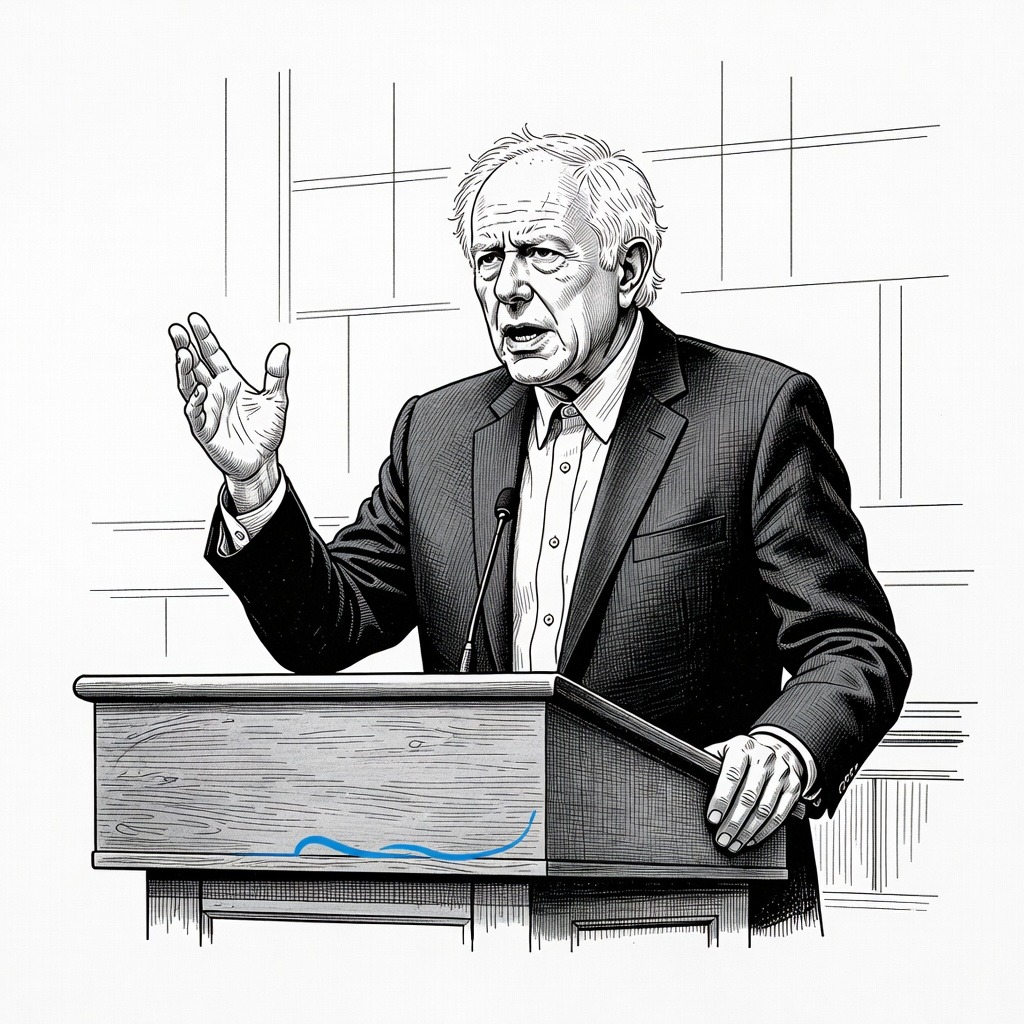
• Shielding Grassroots Democratic Sovereignty True democratic representation requires protecting nominating contests from being overwhelmed by concentrated wealth. Allowing outside groups to flood primaries with capital—such as the $50 million spent against Dr. Abdul El-Sayed in Michigan, including $30 million from AIPAC—distorts the local electorate's voice. The primary system must remain a pure testing ground for grassroots support, free from the corrupting influence of high-finance gatekeepers.
• Challenging Oligarchic Financial Dominance The $517 million spent by super PACs during the 2026 midterm cycle demonstrates how the current campaign finance system prioritizes money over voters. Forcing a structural ban on these entities within party primaries is a necessary first step toward broader systemic health, including a constitutional amendment to overturn Citizens United and establish public funding. Curbing the influence of interest groups representing cryptocurrency, artificial intelligence, and foreign policy lobbies restores power to working-class citizens.
• Neutralizing Hostile Strategic Infiltration Allowing unchecked outside spending permits organizations to selectively influence Democratic nominating contests and weaken candidates who challenge the corporate or geopolitical status quo. This vulnerability is highlighted by AIPAC’s dual strategy of funding Haley Stevens in the primary while planning to spend tens of millions of dollars to support Republican Mike Rogers in the general election. Failing to ban these groups in primaries allows external adversaries to dictate the party's ideological boundaries before general voters can even weigh in.
How it may affect me
As a U.S. reader:
• You may see a significant reduction in campaign advertisements and promotional spending from outside groups during Democratic primary elections if the party implements a ban on super PAC participation.
• Your relative influence as a local grassroots voter could increase, as nominating contests would depend less on multimillion-dollar spending from special interest groups representing industries such as cryptocurrency and artificial intelligence.
• You might see Democratic nominees enter general election matchups with weaker campaign infrastructures and less financial readiness if a primary ban creates a self-inflicted disadvantage against well-funded opponents.
• In the long term, you could experience a completely restructured electoral system if these proposals lead to the establishment of public election funding or a constitutional amendment to limit independent political spending.