
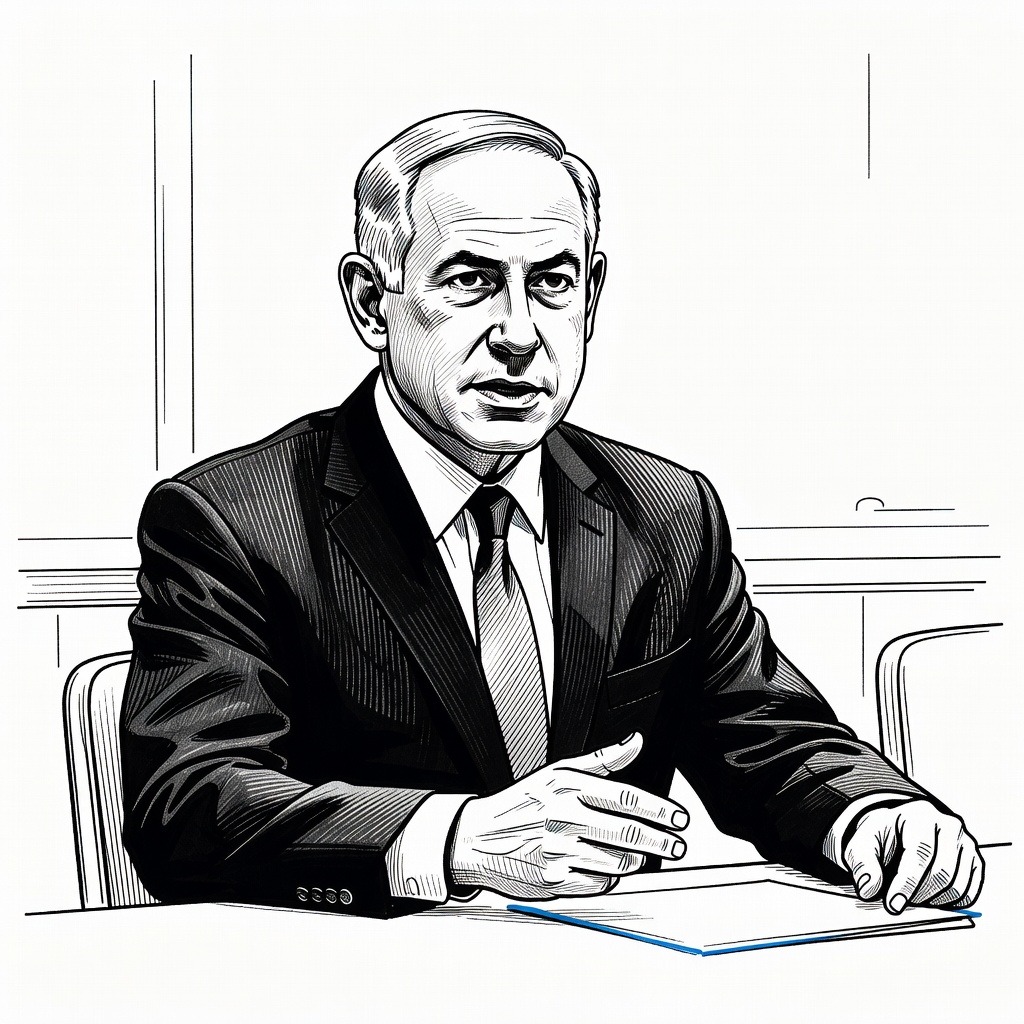
• Leveraging Phased Security Transition Prioritizing diplomatic de-escalation and international law requires embracing the phased roadmap proposed by the U.S. Board of Peace. By rejecting the inclusion of an international oversight force, Netanyahu dismisses a viable, structured path to transition Gaza away from active conflict. A rigid insistence on absolute unilateral surrender prior to any military withdrawal ensures a permanent security deadlock that perpetuates humanitarian suffering.
• Fostering Reciprocal Security Guarantees Lasting peace demands reciprocal concessions rather than unilateral ultimatums, making Hamas's willingness to accept the 15-point roadmap a critical diplomatic window. Demanding total disarmament before any troop withdrawal ignores the core security dilemma, as no combatant will disarm while actively occupied. By blocking this sequenced approach, the current leadership misses an opportunity to test a negotiated settlement backed by global partners.
• Prioritizing Coalition Power Over Stability The rejection of the peace plan reveals how domestic political survival can compromise long-term regional stability. Facing pressure from far-right coalition partners ahead of the October elections, the prime minister's decision looks like a tactical move to preserve his governing coalition rather than a sound security strategy. This political calculation risks locking the region into an endless war to satisfy domestic ideological hardliners.
How it may affect me
As a U.S. reader:
• You may see a short-term setback in U.S. diplomatic initiatives in the Middle East, as a major ally has rejected the 15-point peace roadmap proposed by the U.S. Board of Peace.
• You will not see the deployment of resources or personnel to support the proposed international oversight force in Gaza, as the phased security plan has been rejected.
• You may observe a prolonged security deadlock and ongoing regional conflict in the long term, which could require continued U.S. foreign policy attention.
• You might witness domestic discussions regarding the limits of U.S. influence over foreign allies, as Israel prioritizes its own sovereign defense and coalition politics over U.S. strategic proposals.