
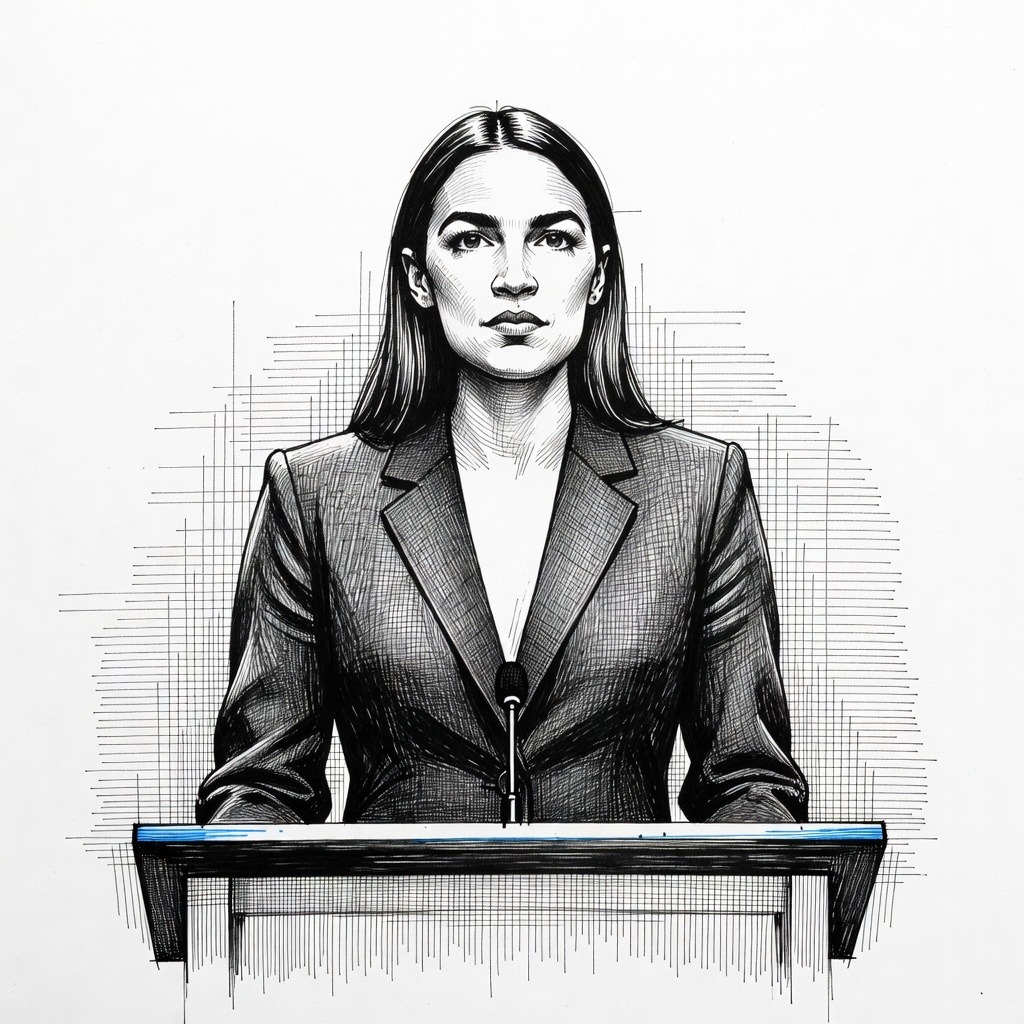
• Igniting the Reform Engine Progressive reformers prioritize challenging the institutional status quo to address systemic inequalities and protect vulnerable populations. The primary victory of progressive Dr. Abdul El-Sayed in Michigan over a centrist opponent, aided by Ocasio-Cortez, demonstrates that the electorate is hungry for a platform centered on working-class needs like healthcare and grocery costs. To this camp, these electoral gains prove that direct grassroots mobilization is a highly effective tool for reshaping the political landscape.
• Claiming the Democratic Mandate Proponents of progressive reform believe that institutional power should reflect the evolving will of the public rather than self-preserving party elites. Ocasio-Cortez leading potential presidential contenders like Pete Buttigieg and Mark Kelly in New Hampshire polls, combined with her refusal to rule out a challenge to Senate Minority Leader Chuck Schumer, signals a mandate to transition leadership to a new generation. This camp views these indicators as proof that bold, transformative policy advocates are best positioned to lead the party forward.
• Executing the Pragmatic Pivot To achieve long-term systemic progress, reformers recognize the tactical necessity of navigating existing power structures without compromising core goals. Ocasio-Cortez's decision to distance herself from extreme national Democratic Socialists of America positions—such as abolishing the Senate, police, and prisons—and her cautious approach to primarying colleagues are seen as mature strategic choices. By protecting her workplace relationships and focusing on near-term midterm elections, she secures the credibility needed to enact meaningful, lasting policy reforms from within.
How it may affect me
As a U.S. reader:
• In the short term, you may experience an increase in political advertisements and campaign spending, as moderate groups pledge fifteen million dollars to actively oppose democratic socialism.
• In the short term, your options in upcoming elections may focus more heavily on working-class concerns like healthcare and grocery costs as different factions compete for influence.
• In the long term, you could witness either a transition to a new generation of congressional leadership or increased legislative instability depending on whether progressives successfully challenge established leaders.
• In the long term, you are unlikely to see federal policies enacting extreme measures like defunding the military or abolishing police and prisons, as prominent progressives have rejected these platforms.