
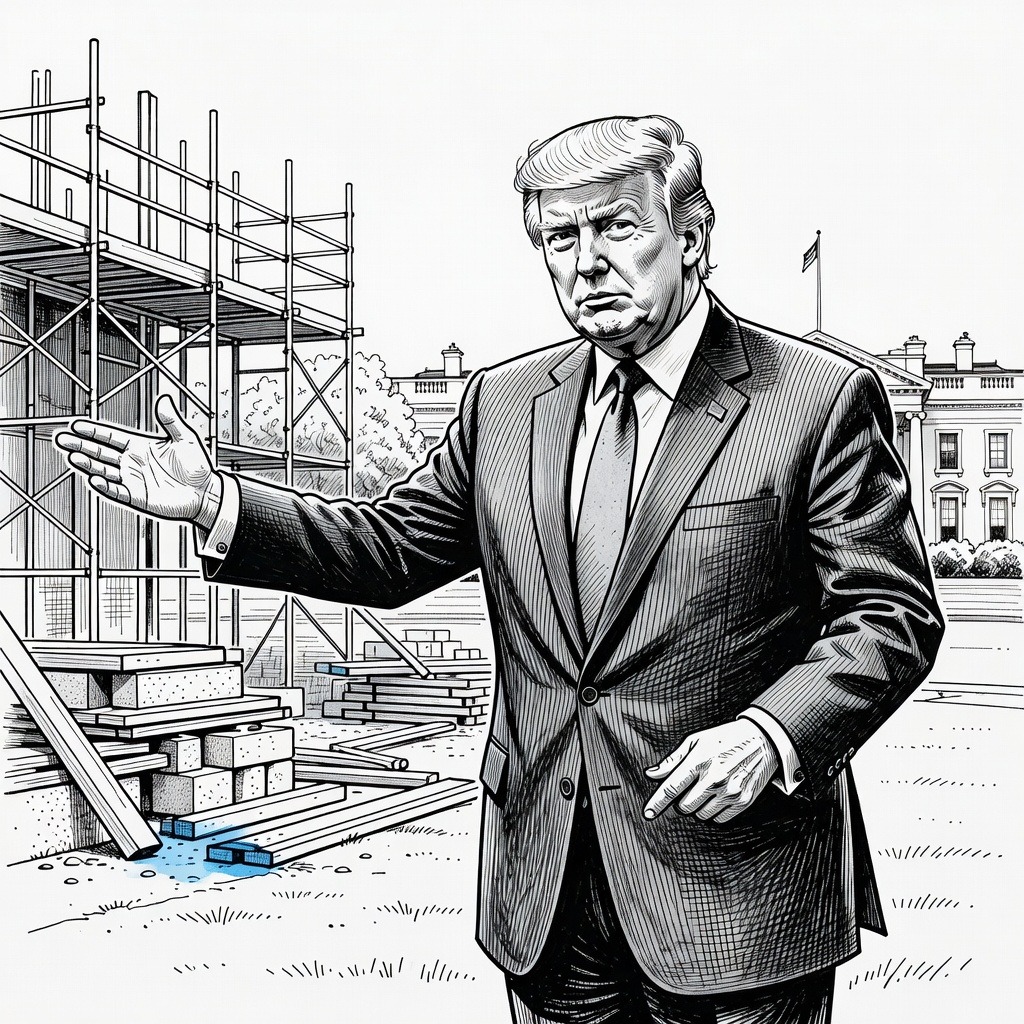
• Enforcing Constitutional Checks and Balances The foundational value of democratic accountability dictates that no branch of government possesses absolute, unchecked authority. By halting the above-ground construction of the 90,000-square-foot ballroom, the court majority correctly reasserts the constitutional principle that the executive branch cannot unilaterally bypass legislative consent for major capital projects. Requiring congressional authorization for a project estimated between $400 million and $600 million protects the legislative power of the purse from executive overreach.
• Shielding Historic Landmarks from Alteration Preserving public trust and the physical legacy of historic state assets is a vital civic responsibility that transcends any single administration. The National Trust for Historic Preservation’s lawsuit highlights that the White House is a national landmark, meaning it belongs to the public rather than its temporary occupant. Preventing major physical alterations to this shared heritage without legislative consent ensures that decisions of historic significance remain subject to transparent, democratic debate.
• Rejecting National Security Blank Checks While the court permitted critical underground security structures, bomb shelters, and medical facilities to proceed, it drew a vital distinction regarding the above-ground ballroom. This camp fears that using real threats, like the April shooting incident, to justify unrelated, large-scale above-ground construction establishes a dangerous loophole for executive expansion. Allowing the administration to shield a massive ballroom project under the banner of defense bypasses essential fiscal oversight and risks normalizing executive unilateralism.
How it may affect me
As a U.S. reader:
• In the short term, you will see the historic White House landmark preserved from major above-ground physical alterations while the legal appeals process plays out.
• You may face a higher ultimate tax burden if legal delays cause the project cost to rise from 400 million dollars to at least 600 million dollars.
• You will have your legislative representatives retain control over the power of the purse, ensuring public funds are not unilaterally spent on large-scale projects without congressional oversight.
• You may see potential security vulnerabilities persist at the executive mansion due to above-ground construction delays, though critical underground security and medical facilities are allowed to proceed immediately.