
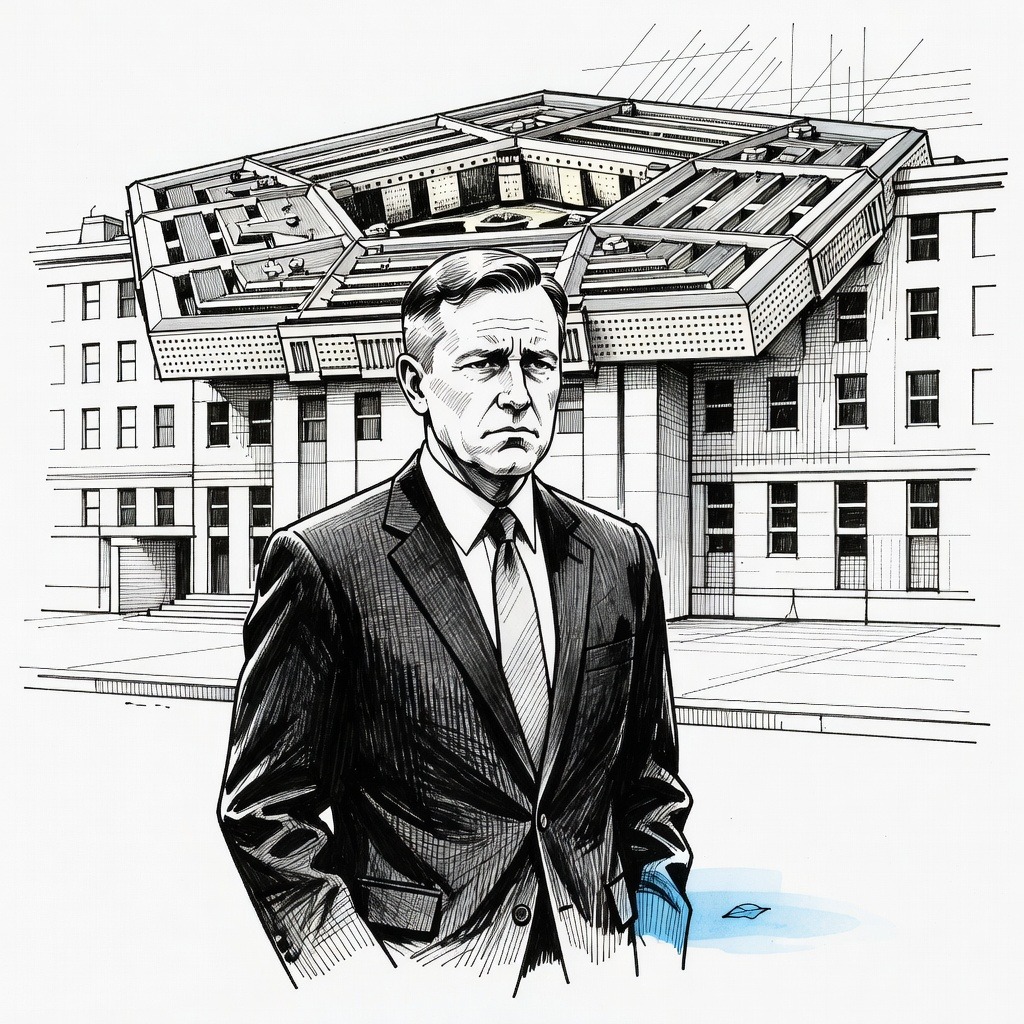
• Exposing Deficiencies to Safeguard Leadership The physical safety of the Commander-in-Chief requires transparent accountability when critical defense standards are bypassed. Frank Kendall's disclosure that the Qatari-gifted aircraft lacked standard antimissile capabilities and suffered from an insufficient retrofit timeline was a necessary act of public oversight. Challenging the Air Force's assertion of safety despite intentionally omitted engineering modifications is vital to ensuring that rushed administrative decisions do not endanger national leadership.
• Shielding Dissent from Executive Retaliation Preserving civil liberties and a robust democracy depends on shielding whistleblowers and journalists from aggressive state coercion. The Justice Department's initial decision to subpoena journalists, coupled with the Pentagon's systematic stripping of clearances from 37 national security officials, signals a troubling pattern of using administrative tools to silence critics. Punishing leaders like Kendall and retired General Mark Milley serves to build an impenetrable wall of secrecy around executive operations rather than protecting legitimate national security interests.
• Eroding Vital Defense Expertise Purging experienced defense leaders based on accusations of disloyalty undermines the nation's strategic readiness and technical oversight. Barring a former Air Force Secretary over disagreements on plane modifications creates a chilling effect, deterring current officials from raising alarms about compromised safety timelines. This dynamic ultimately leaves the nation more vulnerable, as demonstrated by the operational disruptions requiring the President to rely on older transport models while the newer plane undergoes upgrades in the fall.
How it may affect me
As a U.S. reader:
• You will see the President continue to fly on an older Air Force One model in the short term while the newer, gifted aircraft undergoes upgrades in the fall.
• You may experience a reduction in public information regarding defense deficiencies if national security officials are deterred from sharing safety concerns due to the risk of losing their security clearances.
• The protection of sensitive military logistics and presidential transport details may be enhanced in the long term through stricter enforcement of classification protocols to prevent leaks to foreign adversaries.
• The balance of government oversight may shift, as the systematic removal of clearances for former officials either limits public transparency or prevents unelected figures from acting outside the boundaries of elected authority.