
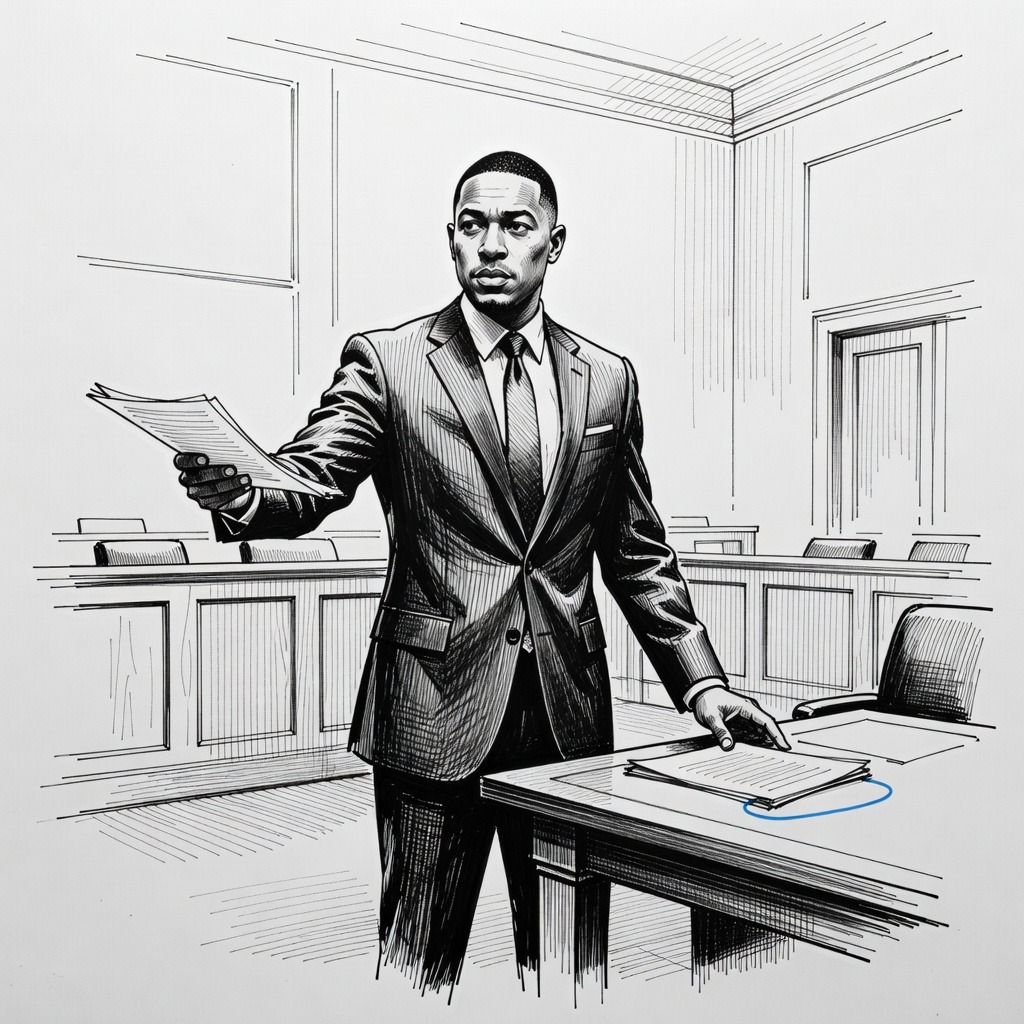
• Shielding Press Freedom from Retaliation Protecting civil liberties and maintaining a free press are paramount to preventing authoritarian overreach. The defense's argument that Lemon was targeted due to hostile political statements from figures like Donald Trump, Pam Bondi, and Harmeet Dhillon suggests the state is weaponizing its power. When the justice system is used to prosecute a journalist covering a protest, it threatens the fundamental right of the media to gather and report news without fear of prosecution. Under this logic, the charges are a direct assault on the constitutional guardrails that protect the press from partisan retaliation.
• Challenging Procedural Abuse and Overreach Ensuring government accountability requires strict adherence to legal norms and the prevention of state harassment. The federal government's decision to bypass standard self-surrender protocols and conduct a midnight arrest at a Los Angeles hotel reflects an attempt to publicly humiliate rather than enforce the law. This pattern of behavior, combined with previous judicial rejections of warrants for Lemon's digital devices and online subscribers, reveals a punitive overreach. This perspective views these actions as institutional intimidation designed to suppress independent voices and bypass established legal protections.
• Exposing Manufactured Claims and Intimidation The integrity of the judicial system depends on honest testimony, making any manipulation of facts by state actors a severe threat to justice. The defense allegation that a federal case agent filed false affidavits regarding Lemon's conduct undermines the legitimacy of the entire prosecution. When the state relies on questionable claims to secure an indictment after a magistrate judge initially rejected the complaint for a lack of probable cause, it exposes a desperate attempt to manufacture a crime. This raises the critical risk of setting a chilling precedent where any reporter present at a demonstration can be targeted with fabricated charges.
How it may affect me
As a U.S. reader:
• The case could affect the public's access to independent news, as a conviction might deter journalists from covering active protests, while a dismissal could encourage broader media presence at demonstrations.
• The final ruling will clarify the scope of federal protections for religious spaces, influencing how securely citizens can worship without facing physical disruptions or blockades.
• The legal outcome will define whether professional media members face the same criminal liabilities as ordinary citizens if they are present during unlawful occupations and civil disobedience.
• Public confidence in federal law enforcement and judicial processes may be impacted depending on how the court addresses the defense's allegations of manufactured evidence and politically motivated prosecution.