
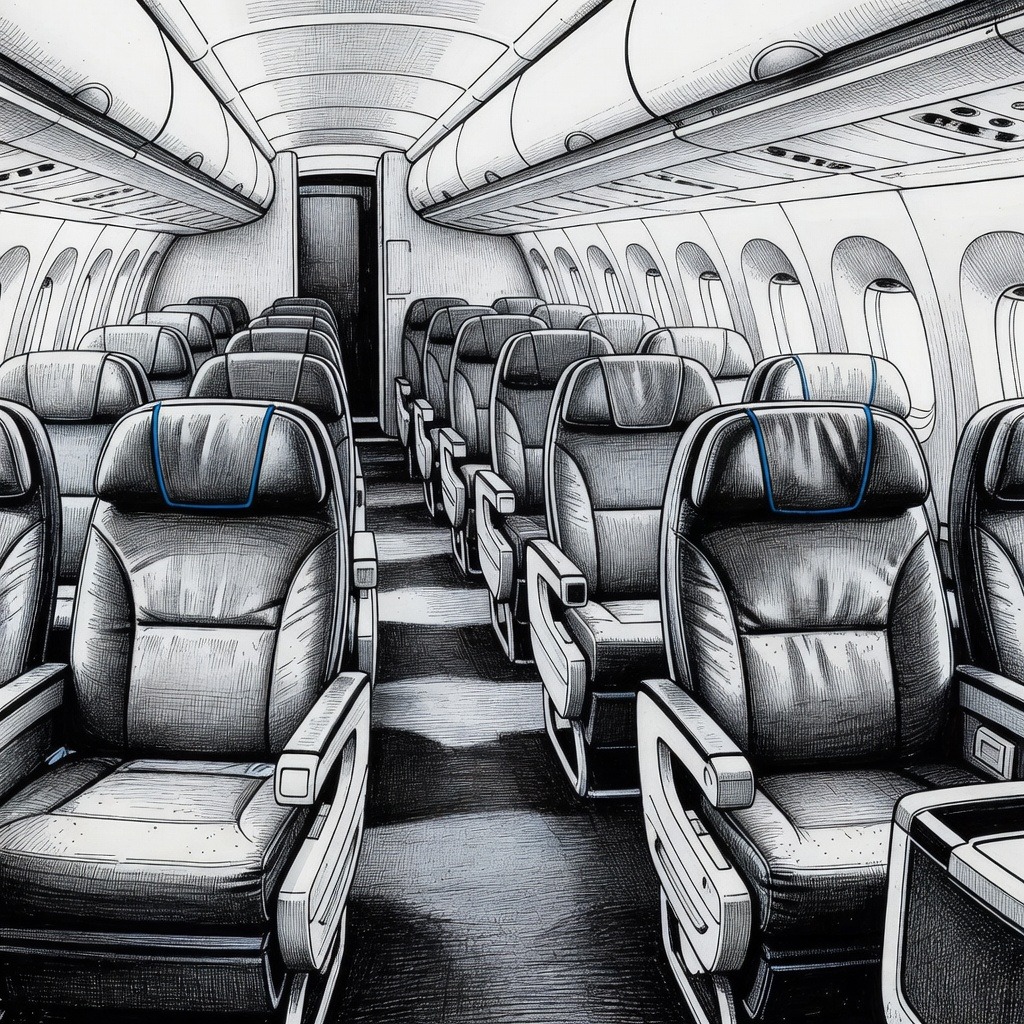
• Erosion of Consumer Equity Prioritizing immediate margin gains over customer retention devalues the loyal consumer base that sustains corporate operations during market downturns. Forcing elite frequent flyers on highly competitive routes—such as those between New York and Los Angeles or Boston and San Francisco—to accept middle-seat premium economy options instead of business upgrades is a direct clawback of earned loyalty capital. This strategic pivot demonstrates how consolidated industries use asymmetric power to degrade service standards once they have secured consumer lock-in.
• Monopolizing the Premium Cabin Restricting direct upgrades from coach to business class represents a targeted wealth-extraction strategy designed to exclude average travelers in favor of high-net-worth buyers. By requiring flyers to purchase a premium economy ticket or buy an upgrade just to access the business-class upgrade list, the airline erects financial barriers that marginalize loyal but budget-constrained consumers. This commodification of premium space illustrates a broader economic trend where corporate entities systematically restrict access to comfortable transit, reserving it exclusively for those who can pay outright premium rates.
• Loyalty Deficit Gamble Disregarding the expectations of elite customers on long-haul routes from major hubs like Dallas Fort Worth and Chicago O'Hare risks triggering severe brand defection and long-term reputational damage. When frequent flyers realize their accumulated status only yields potential middle seats in premium economy, the incentive to maintain single-carrier loyalty collapses. This hyper-financialized approach to customer relations risks hollowing out the core consumer base, proving that short-term revenue optimization often comes at the expense of sustainable, trust-based customer relationships.
How it may affect me
As a U.S. reader:
• Elite frequent flyers traveling on specific long-haul domestic routes, including flights to Hawaii and transcontinental routes, will no longer receive free business-class upgrades from coach starting August 25, and will instead be placed on upgrade lists for premium economy.
• To qualify for a business-class upgrade on these flights, passengers will face higher costs as they must now purchase a premium economy ticket or buy an upgrade after purchasing a coach ticket.
• Upgraded travelers on these routes may experience reduced comfort, as some premium economy configurations could place them in middle seats if other options are unavailable.
• In the long term, loyal flyers may see a decline in the value of their accumulated airline status, while the general traveling public might benefit from more stable flight networks and fleet upgrades funded by the airline's increased premium revenue.