
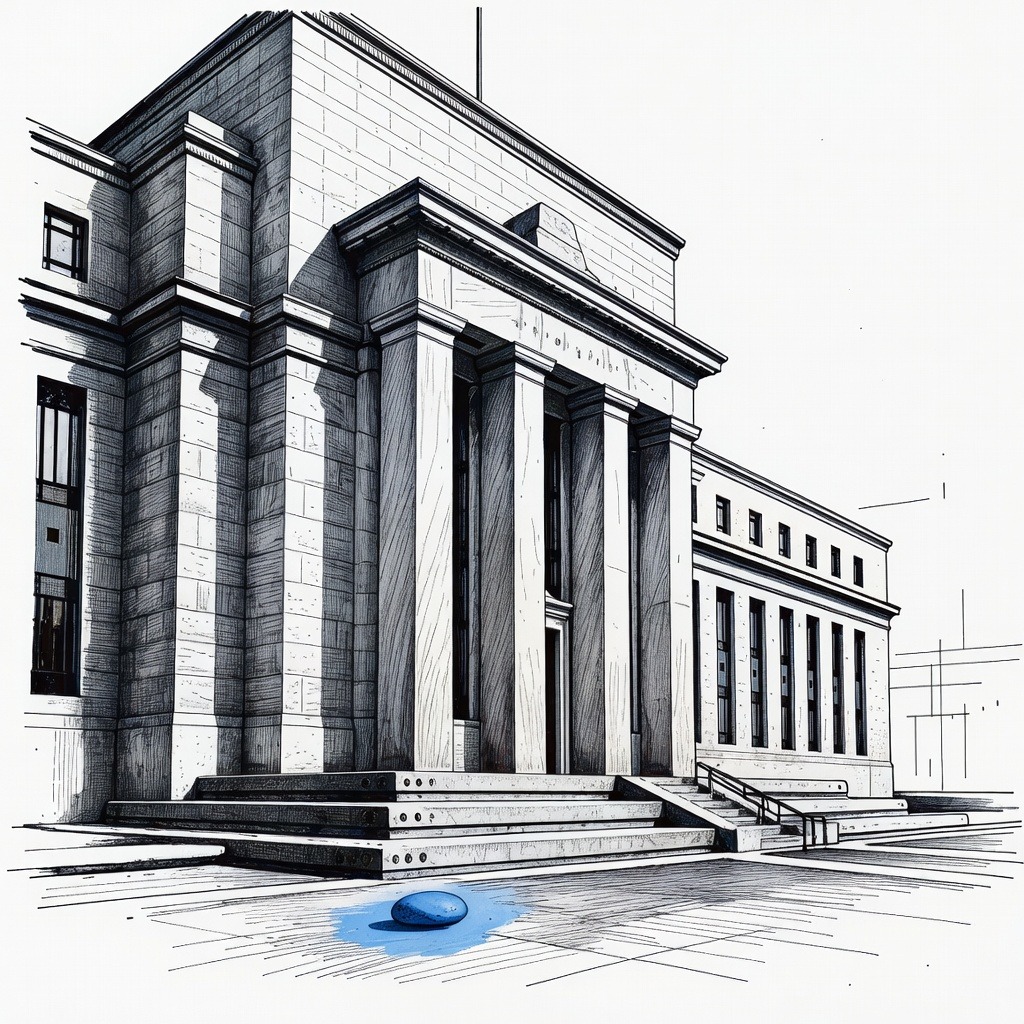
• Dismantling Public Accountability Shields Reducing the frequency of policy meetings from the current schedule of eight and shortening post-meeting statements threatens the transparent communication required to hold powerful financial institutions accountable to the public. Shielding the central bank's decision-making from regular scrutiny limits the democratic oversight necessary to protect everyday consumers from sudden economic shifts. A less transparent Fed increases the risk of market volatility, which disproportionately harms working-class citizens who lack the financial buffers to weather unexpected market disruptions.
• Compromising Institutional Independence Barriers Maintaining a strict firewall between executive power and monetary policy is critical to ensuring the central bank serves the broader public rather than short-term political agendas. Accepting frequent communication and direct phone calls from the presidency, even with verbal assurances of independence, creates a dangerous precedent of political vulnerability for an institution designed to remain insulated from partisan pressure. When the boundary between the White House and the Fed is blurred, monetary policy risks being steered toward elite political interests rather than equitable economic stewardship.
• Triggering Aggressive Economic Contractions Prioritizing aggressive interest rate hikes to address long-term inflation threatens to trigger a severe economic slowdown that disproportionately harms workers through job losses. While inflation exceeding the two percent target for over five years requires attention, rapid or reactive monetary tightening to prove institutional credibility is a dangerous policy gamble. Such measures risk tipping the economy into a recession, placing the heaviest burden of stabilization on ordinary consumers rather than addressing the structural drivers of the crisis.
How it may affect me
As a U.S. reader:
• You could face tighter credit conditions and higher borrowing costs in the short term if the central bank raises interest rates to combat persistent inflation.
• You may experience increased financial market volatility because of less frequent communications and fewer policy meetings, which could impact personal investment portfolios.
• In the long term, successful rate hikes could stabilize prices and preserve your purchasing power, though aggressive rate increases also run the risk of causing an economic slowdown and job losses.