
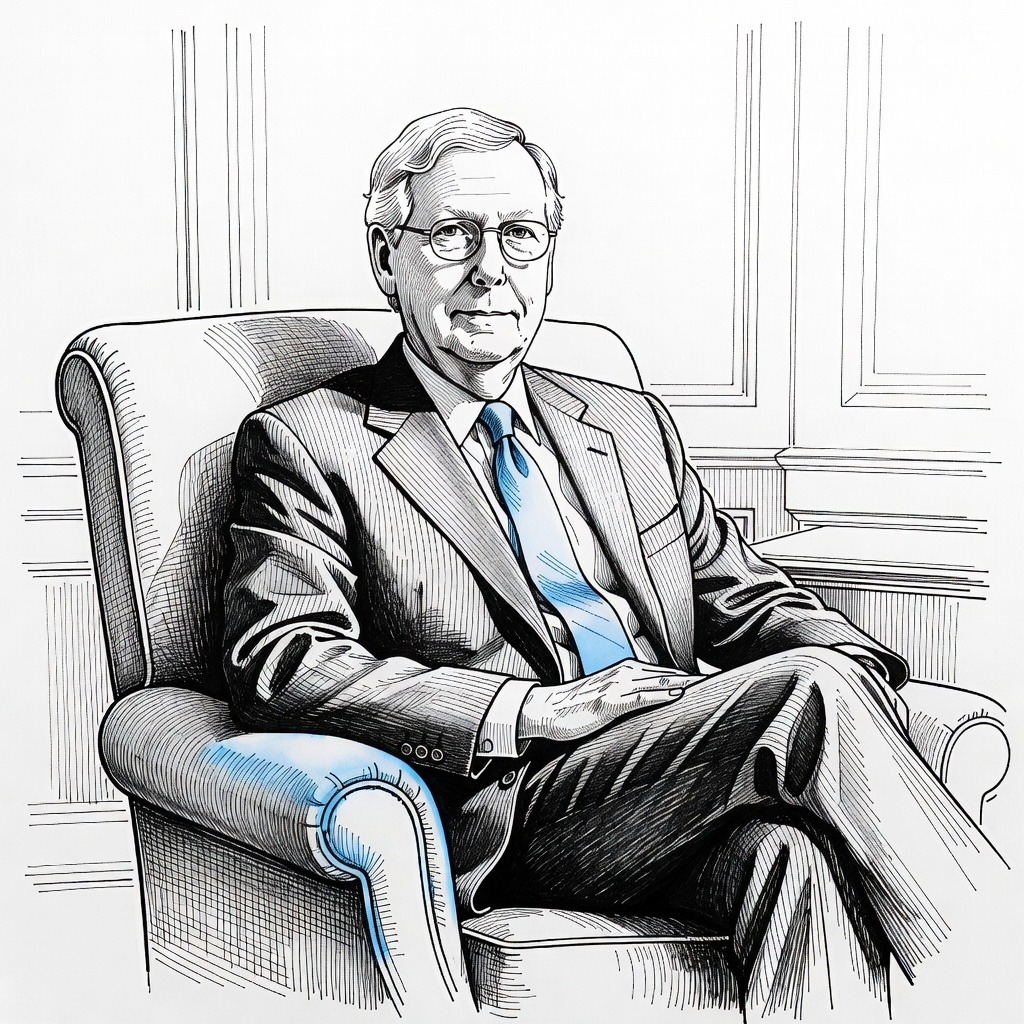
• Demanding Transparent and Active Representation Democratic governance requires active, visible representation to ensure that the constituents of Kentucky are fully and effectively served. Senator McConnell’s extended absence from Washington and his transition to working from home limit his capacity to engage directly with the public and his colleagues. When public officials cannot physically or verbally demonstrate their fitness to lead, the democratic link between the representative and the represented is fractured. Prioritizing physical recovery in private over public transparency erodes trust in governing institutions.
• Challenging the Aged Power Status Quo The persistence of senior lawmakers remaining in office despite severe physical decline highlights a systemic resistance to institutional renewal. McConnell's history of prior falls, combined with his recent mid-June tumble and subsequent pneumonia, points to a pattern of vulnerability that compromises daily senate operations. Clinging to legislative power when unable to maintain a physical presence in the Capitol prevents younger, fully capable leaders from stepping forward. True institutional progress requires a culture where personal career longevity is secondary to the functional vitality of the legislature.
• Risking National Legislative Paralysis Operating a legislative chamber with absent members directly dilutes the integrity of high-stakes national decisions. McConnell's physical absence ahead of critical votes, such as the confirmation of attorney general nominee Todd Blanche, unnecessarily shrinks a narrow Republican voting cushion. This dynamic risks gridlock or compromised outcomes on crucial floor votes that require full, active participation. Relying on remote staff communication rather than active debate compromises the deliberative quality of the nation's highest legislative body.
How it may affect me
As a U.S. reader:
• You may see immediate impacts on high-stakes national decisions and executive nominations, such as the confirmation vote for attorney general nominee Todd Blanche, because McConnell's physical absence shrinks the narrow Republican voting cushion.
• Kentucky residents may experience a temporary shift in how they are represented in Congress, as their senior senator performs his legislative duties from home while undergoing physical therapy instead of engaging directly in Washington.
• You could witness either increased legislative gridlock or heightened party coordination on policy priorities, depending on how effectively McConnell can participate in Senate strategy and voting from a distance.
• You may see an intensified national debate regarding the physical fitness, transparency, and tenure of aging congressional leaders, which could influence public trust in the stability and functioning of federal legislative institutions.