
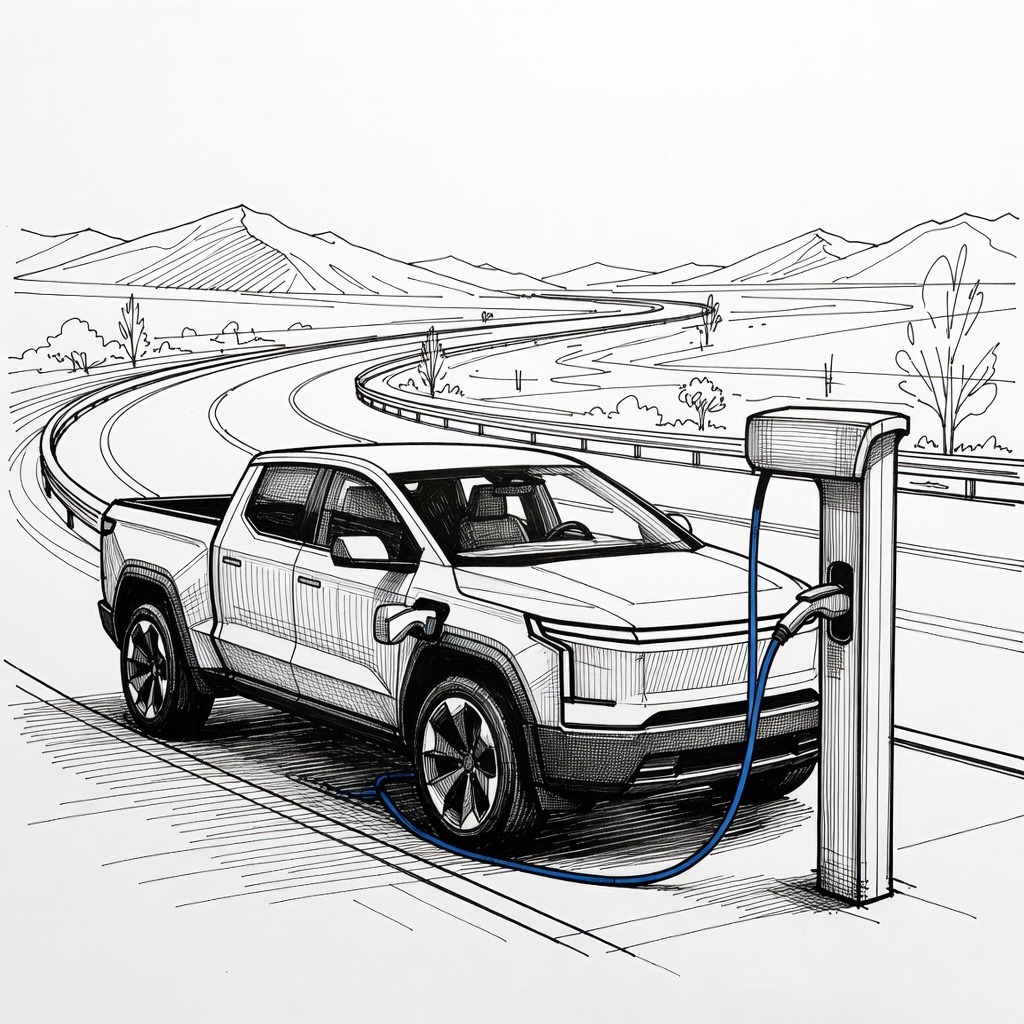
• Democratize Green Technology Access Social equity requires that the transition to sustainable transportation is not reserved exclusively for wealthy consumers. Ford’s total target price of $29,945 for the Fathom represents a vital step toward making electric vehicles financially viable for working-class families. By aiming for cost parity with gasoline-powered vehicles, this pricing strategy demonstrates that environmental progress can be aligned with consumer affordability rather than corporate extraction.
• Shield Workers From Restructuring Industrial transitions must not place the burden of corporate pivots onto the workforce. While Ford aims to achieve efficiency through its new assembly tree manufacturing process at the Louisville Assembly Plant, this shift follows $19.5 billion in restructuring charges that reflect the volatile nature of corporate reorganization. True economic progress requires ensuring that these new assembly methods protect local jobs and maintain fair labor standards, rather than simply serving as a tool to minimize headcount.
• Expose Consumers to Speculative Risks Relying on future technological promises during a current market slowdown risks leaving consumers vulnerable to shifting corporate priorities. Ford is planning to open preorders in early 2027 for a vehicle whose physical design has not yet been publicly revealed, while simultaneously navigating the elimination of federal purchasing incentives. This long timeline and lack of visual transparency suggest that consumers are being asked to absorb market uncertainty to help the automaker offset its massive financial losses.
How it may affect me
As a U.S. reader:
• Consumers will have the option to preorder a five-passenger electric pickup truck priced under thirty thousand dollars beginning in early 2027, with deliveries starting later that year.
• Buyers may have to make purchasing decisions or place preorders without knowing what the vehicle looks like, as Ford has not yet revealed the physical design.
• Working-class families may find electric vehicle ownership more financially accessible due to the target pricing and cost parity with gasoline-powered cars, despite the loss of federal purchasing incentives.
• Automotive workers at the Louisville Assembly Plant in Kentucky will navigate changes to their work environment and job security as Ford transitions to a new assembly tree manufacturing process.