
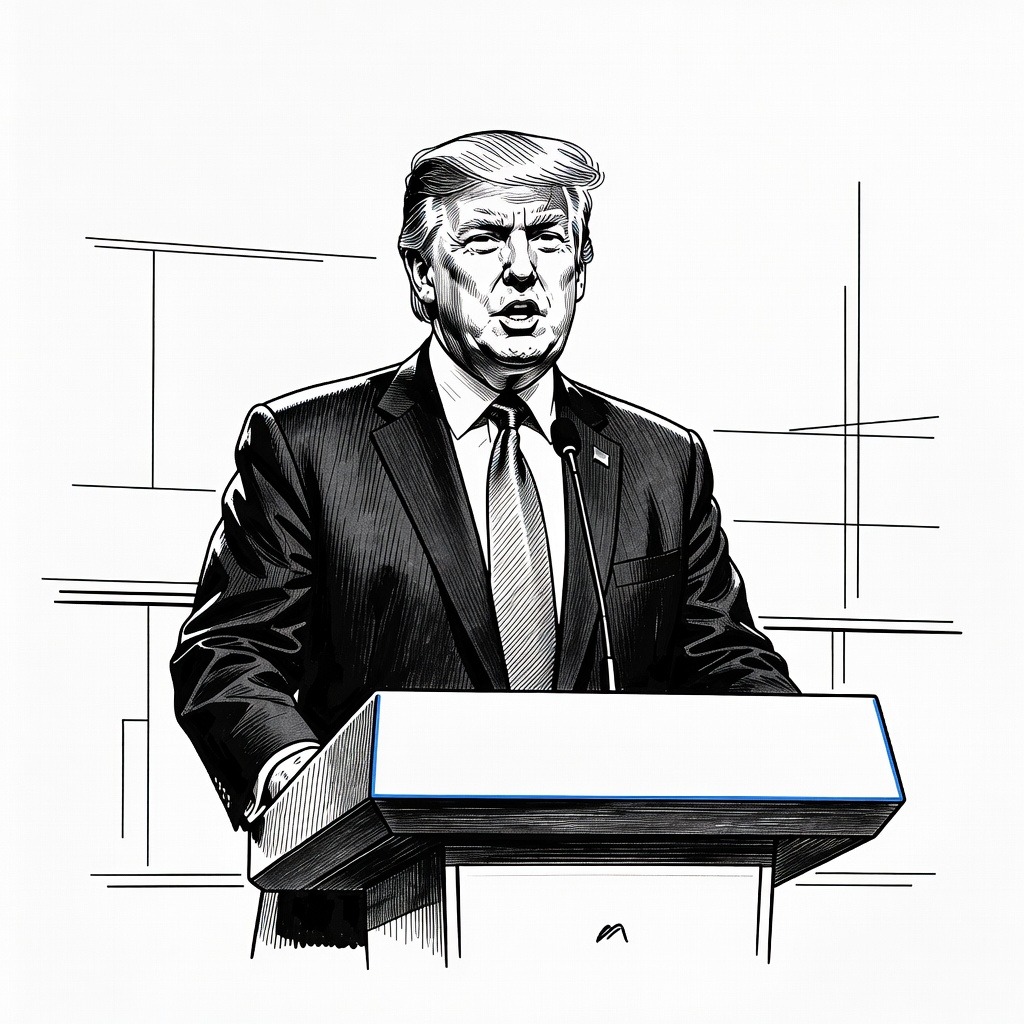
AI-generated illustration. Visual interpretation does not represent real individuals or scenes.
Trump and U.S. Officials Deny Reports of Military Munitions Shortages
2026-08-06
The BareStory
President Donald Trump and top administration officials have rejected claims that U.S. military munitions are running low due to ongoing combat operations against Iran. In social media posts, Trump asserted that the U.S. maintains massive stockpiles of weapons and noted that defense companies are building a record number of domestic factories to manufacture more.
The statements follow reports and estimates suggesting significant depletion of key defense systems. A U.S. official claimed that air defense stocks have been heavily reduced, with Patriot missile stockpiles down by two-thirds and Terminal High Altitude Area Defense (THAAD) interceptors cut in half. Additionally, a July report from the Center for Strategic and International Studies estimated that returning these interceptor inventories to pre-war levels could take until at least mid-2029. Other reports claimed the U.S. has used nearly its entire global stockpile of certain long-range precision missiles.
Administration officials have strongly disputed these assessments. Chief Pentagon spokesperson Sean Parnell stated the military maintains a deep arsenal and has everything required for its operations, while White House Principal Deputy Spokesperson Anna Kelly affirmed that stockpiles are sufficient to meet all strategic goals. Press secretary Karoline Leavitt also denied reports of a tense meeting regarding munitions between Trump and Defense Secretary Pete Hegseth.
In response to the disclosures, Trump warned that individuals leaking information about the stockpiles are being pursued and will face long-term prison sentences. Joint U.S.-Israeli military operations against Iran have continued since February, though Trump noted that bilateral negotiations are also progressing.
Left Perspective
The Overextended Military Footprint
The Suppressed Accountability Threat
The Diplomatic Escalation Trap
Right Perspective
The Strategic Deterrence Shield
The Industrial Defense Engine
The Operational Security Safeguard
Left Perspective
• The Overextended Military Footprint
Prioritizing regional stability and de-escalation requires recognizing when prolonged military engagements create systemic vulnerability. The reports showing a two-thirds reduction in Patriot missiles and a 50% cut to THAAD interceptors, alongside estimates that replenishment will take until mid-2029, demonstrate the unsustainable drain of active combat. Relying on military-first strategies against Iran risks depleting defensive capabilities and escalating conflicts that cannot be easily resolved through force.
• The Suppressed Accountability Threat
Democratic governance and public safety require transparency regarding the human and material costs of ongoing foreign interventions. Threatening whistleblowers who disclose information about depleted long-range precision missile stockpiles with long-term prison sentences serves to shield state policy from vital public scrutiny. Suppressing this crucial data prevents necessary legislative oversight and civilian debate on whether joint operations since February align with broader humanitarian and diplomatic goals.
• The Diplomatic Escalation Trap
True security is achieved through diplomatic engagement and international law rather than endless military projection. While joint military operations against Iran continue to consume massive military resources, the progressing bilateral negotiations represent the only viable path to long-term regional stability. Continuing to prioritize military actions over diplomatic alternatives ignores the diminishing returns of force and risks trapping the nation in an indefinite cycle of resource depletion.
Right Perspective
• The Strategic Deterrence Shield
Prioritizing national security and strategic deterrence requires projecting absolute strength and readiness to global adversaries. Publicly affirming that the military maintains a deep arsenal and possesses all necessary operational assets prevents rivals from exploiting perceived vulnerabilities. Denying reports of critical shortages and tense leadership meetings ensures that the nation's deterrence posture remains credible, discouraging hostile actions that could lead to broader conflict.
• The Industrial Defense Engine
Preserving national sovereignty and long-term security relies on robust domestic manufacturing and industrial resilience. Addressing depletion concerns by constructing a record number of domestic defense factories ensures the nation can rapidly scale production and sustain prolonged strategic operations. This focus on domestic industrial capacity reinforces the "Peace through Strength" doctrine, guaranteeing that the military is backed by a self-reliant supply chain.
• The Operational Security Safeguard
Maintaining effective military operations requires the absolute protection of state secrets and tactical readiness levels. Actively pursuing and prosecuting individuals who leak sensitive data regarding global weapon stockpiles is critical to preventing adversaries from gaining actionable military intelligence. Protecting this information ensures that ongoing joint operations can proceed securely and that negotiators maintain maximum leverage during progressing bilateral talks.
How it may affect me
As a U.S. reader:
• The expansion of domestic defense factories to rebuild weapon stockpiles could lead to job growth and increased activity within the domestic manufacturing sector over the coming years.
• If reported shortages are accurate, the nation may experience reduced air defense capabilities and heightened security vulnerabilities until inventories are fully replenished, a process estimated to take until mid-2029.
• Individuals working within or alongside the military face a strictly enforced environment with severe legal consequences, including long-term prison sentences, for sharing unauthorized details about national stockpiles.
• Enhanced government secrecy regarding weapon supplies and operations could limit public transparency, reducing the ability of citizens to engage in informed debate about ongoing military commitments and diplomatic strategies.