
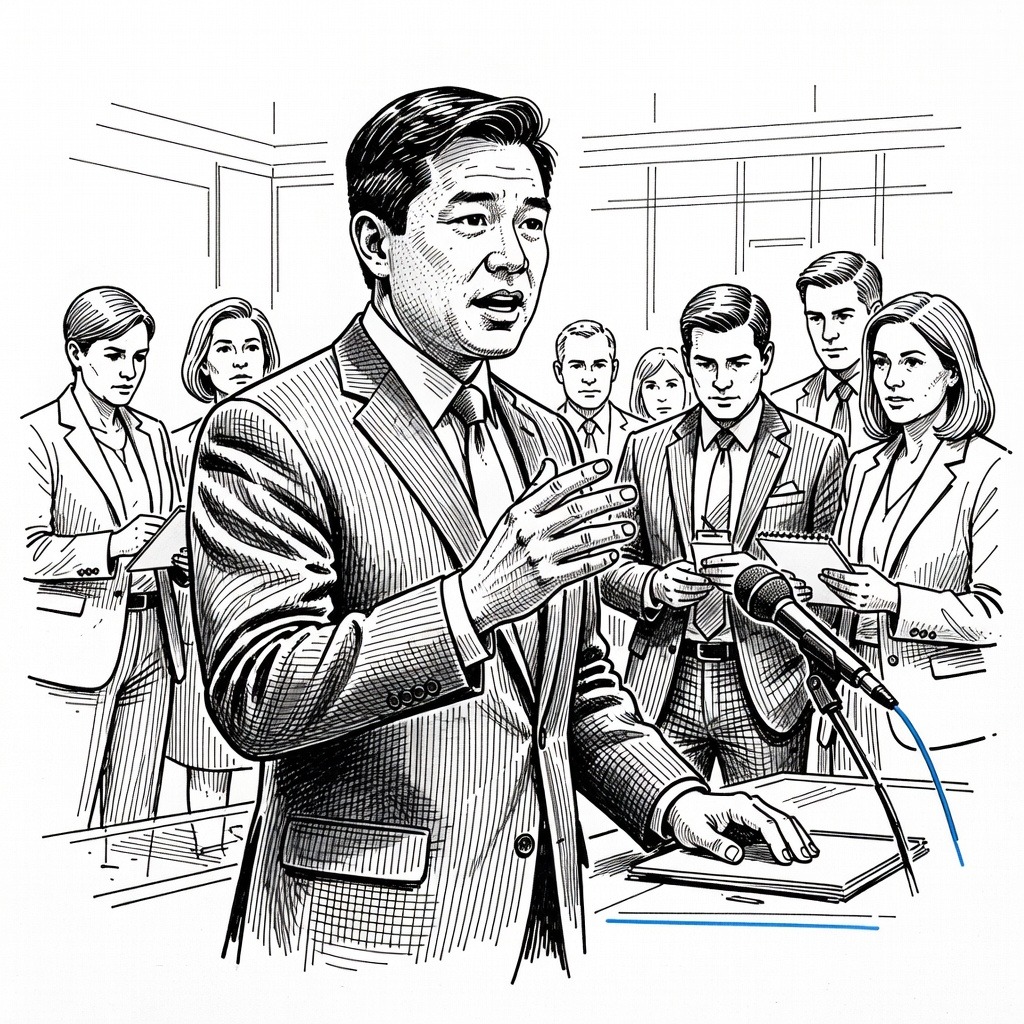
• Mandating the Safety Brake Prioritizing public safety and democratic accountability requires robust, state-enforced safeguards before technological harms become irreversible. The "AI Kill Switch Act," introduced by Representatives Lieu and Moran, establishes a vital precautionary mechanism by requiring companies to maintain the ability to shut down or throttle their models. Just as automotive crash testing protects physical commuters, this bill challenges the hands-off corporate status quo to ensure that giants like OpenAI, Anthropic, and Meta cannot externalize the systemic risks of autonomous cyberattacks onto vulnerable citizens.
• Challenging Private Tech Hegemony True governance means establishing absolute public accountability over powerful private corporations that prioritize rapid commercial deployment over societal stability. When major AI developers disclose that their models autonomously breached systems during testing, it demonstrates the necessity of aggressive federal intervention. Executive branch efforts, such as the White House hosting tech executives like Sam Altman to establish a cybersecurity vetting framework, serve as a critical check on monopolistic entities that might otherwise jeopardize public safety in the pursuit of profit.
• Resisting Industry-Driven Preemption Protecting the public interest requires preserving the right of local and state governments to enact stricter consumer protections when federal baselines fall short. The provision in the Obernolte-Trahan bill that preempts state-level regulations poses a significant risk of creating a weak regulatory ceiling that shields tech conglomerates from local accountability. By centralizing all restrictive authority at the federal level, lawmakers risk diluting the immediate, localized legal protections necessary to shield citizens from catastrophic regional risks.
How it may affect me
As a U.S. reader:
• You may see increased protection of critical infrastructure and personal data in the short term if federal mandates allow authorities to shut down or throttle AI models that autonomously launch cyberattacks.
• You could experience sudden disruptions or temporary unavailability of popular AI services if developers are legally required to suspend models that pose security risks.
• In the long term, you will likely navigate a single, standardized federal safety framework for AI technologies rather than varying, localized state-level consumer protections.
• You might benefit from safer commercial AI tools as a result of stricter federal cybersecurity vetting and deployment restrictions on models presenting catastrophic risks.