
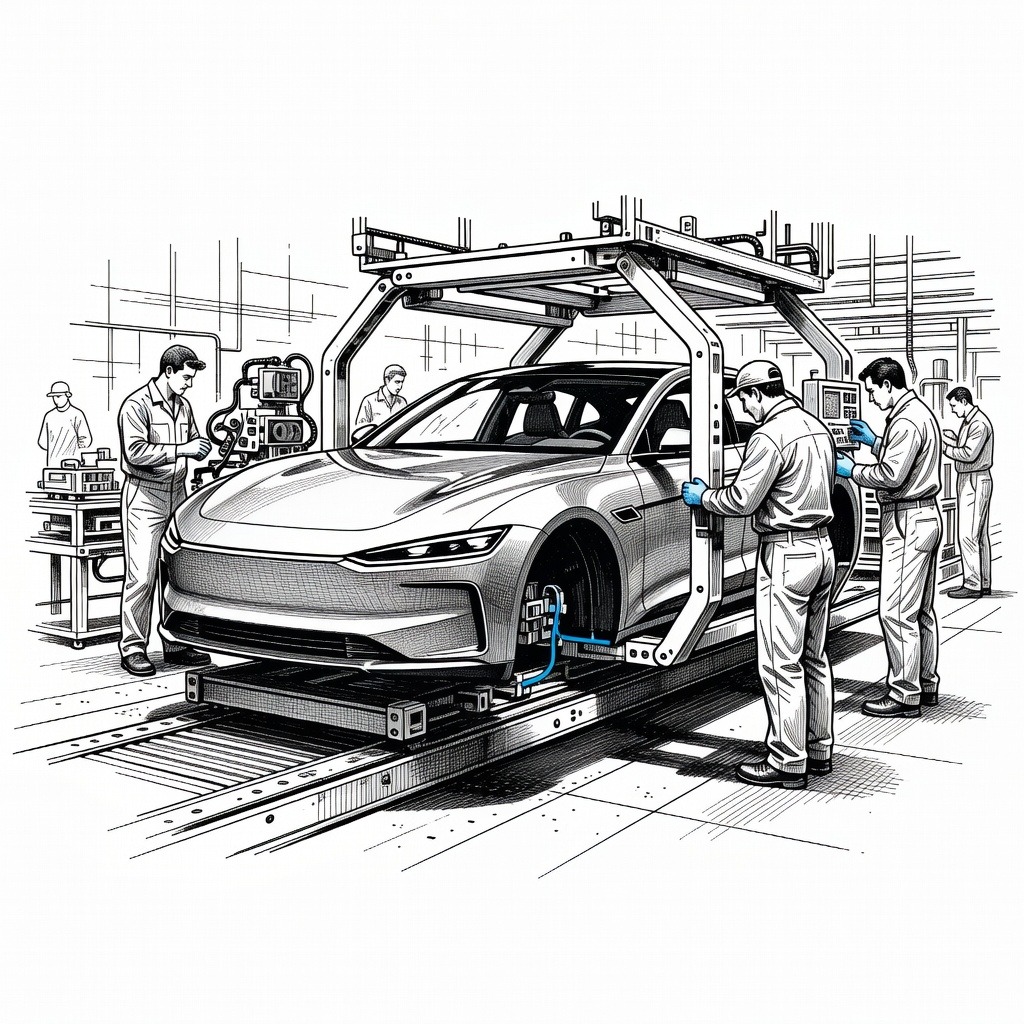
• Sacrificing Workers for Capital By reducing the Arizona manufacturing plant to a single shift in June to manage costs, the company prioritizes short-term balance-sheet optics over the economic security of its workforce. This operational downscaling shifts the burden of missed revenue expectations—recording $405 million against the projected $416 million—directly onto everyday labor. True corporate accountability requires protecting employment stability and domestic manufacturing capacity rather than treating workers as variable cost-cutting levers to offset a $1 billion net loss.
• Delaying Access to Affordability Postponing the launch of the midsize vehicle to the second half of 2027 restricts middle-class consumers from accessing more affordable, sustainable transportation options. While executives frame this delay as a commitment to product readiness, it effectively slows down the democratization of clean technology to protect high-margin luxury segments. This strategic postponement reinforces an inequitable market where environmental progress is throttled by a corporate focus on elite consumer brackets.
• Sovereign Capital Geopolitical Gamble Relying heavily on Saudi Arabia's Public Investment Fund to maintain $3 billion in liquidity raises profound concerns about the ethical governance and national sovereignty of clean-energy innovation. This deep financial dependence means that critical domestic manufacturing assets are ultimately beholden to the strategic interests of an autocratic foreign state rather than public-interest priorities. Such reliance shields executive leadership from genuine market accountability while outsourcing control over the future of the green transition.
How it may affect me
As a U.S. reader:
• Consumers interested in purchasing a more affordable midsize electric vehicle from Lucid will face a longer wait, as the launch has been delayed until the second half of 2027.
• Manufacturing workers at the Arizona assembly plant experience immediate impacts on their employment stability and hours after production was scaled back to a single shift.
• Users of rideshare and delivery services may interact with new autonomous vehicle technology in the short term, following the planned delivery of 100 robotaxi prototypes to Uber and Nuro by the end of the year.
• The long-term availability of clean-energy vehicle options in the domestic market remains tied to foreign sovereign wealth, given the company's financial reliance on Saudi Arabia's Public Investment Fund.