
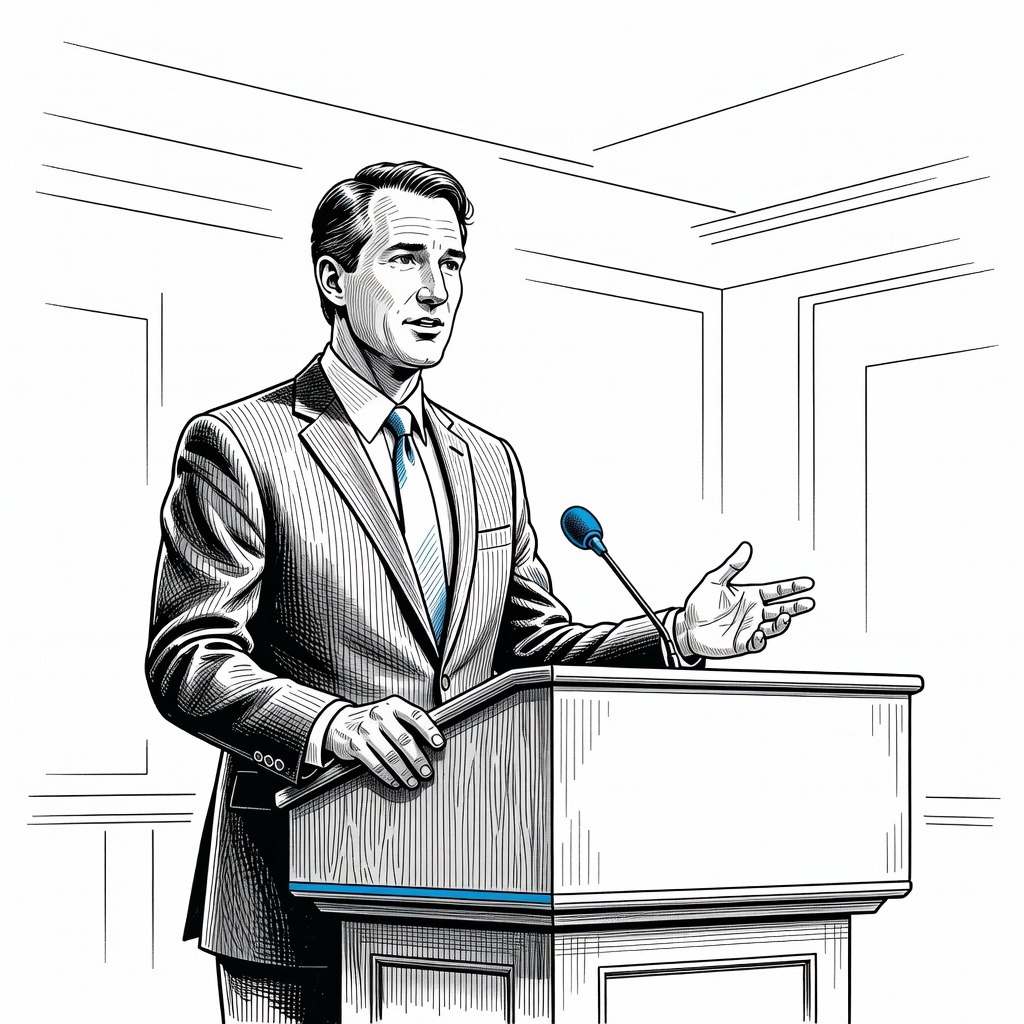
• Starving the Public Commons Public education is the foundational engine of social progress and democratic equality, requiring robust, collective investment to serve all children equitably. Diverting public revenues through the Education Freedom Tax Credit—which allows taxpayers to redirect up to $1,700 to private scholarship-granting organizations—weakens the public school system that serves the vast majority of children, particularly vulnerable and marginalized students. By incentivizing the exit of wealthier families and resources, this policy exacerbates educational inequality and undermines the state's obligation to provide uniform, high-quality public instruction. This mechanism ultimately prioritizes private enrichment over the collective public good.
• Evading Public Oversight True civic accountability requires that public funds be bound to transparent, publicly governed institutions. Funding private K-12 education tuition through tax credits bypasses school boards and state-mandated standards, allowing private entities to operate without the civil rights protections and public auditing that govern public districts. Democratic governors in swing states like Michigan and Arizona are exercising necessary executive stewardship by declining to participate, shielding their citizens from unregulated, parallel educational systems. This resistance prevents the erosion of government accountability and protects public oversight of educational standards.
• Leveraging Divisive Platforms The launch of "Empowering America's Parents" is less about pedagogical excellence and more about building a national springboard for personal political ambition. Utilizing a multimillion-dollar campaign in battleground states like Pennsylvania and Wisconsin serves to weaponize education as a culture-war wedge issue to raise Youngkin's profile ahead of the 2028 presidential race. This strategy exploits local communities, turning domestic policy into a fund-raising machine and a stepping stone for executive power rather than a genuine effort to improve student outcomes. It risks prioritizing personal brand-building over the stable, non-partisan governance of school systems.
How it may affect me
As a U.S. reader:
• Taxpayers in participating states will have the option to receive a federal income tax credit of up to $1,700 for donating to private school scholarship organizations starting January 1, 2027.
• Parents and K-12 students will see differing educational options depending on their state of residence, with some states offering funded private school vouchers and others opting out to focus resources on public school systems.
• Voters and residents in the 20 states that have not adopted the tax credit, particularly in swing states such as Michigan, Arizona, Wisconsin, and Pennsylvania, will be targeted by a multimillion-dollar advocacy campaign.
• In the long term, families may see shifts in the quality and funding of local public schools, which could either face reduced resources as families transition to private education or face pressure to improve performance due to increased competition.